TREE SERVICE
TREE SERVICE in Burlington, NC
Trees almost always give plenty of warning before they fail, and the signs sit as often at the base as up in the canopy. Thinning at the crown, deadwood collecting along one side, bark shedding in plates, soil lifting near the trunk. Tree service from 3 In 1 Lawn and Home Care reads those signals early across Burlington, NC and the wider Alamance County area, through careful structural pruning, crown thinning, planned removals, storm damage cleanup, and stump grinding.
A TREE FAILS SLOWLY UNTIL THE DAY IT DOES NOT.
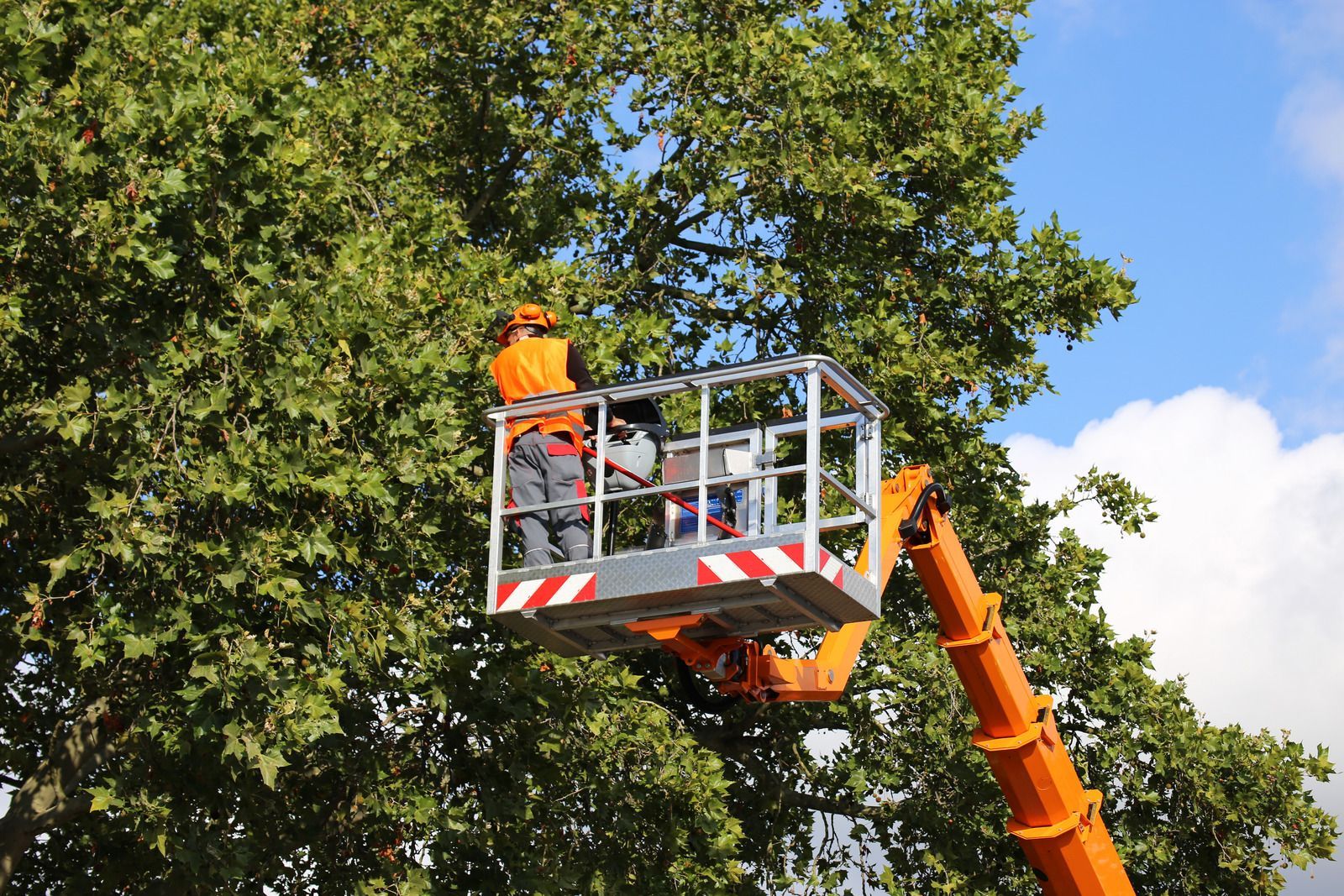
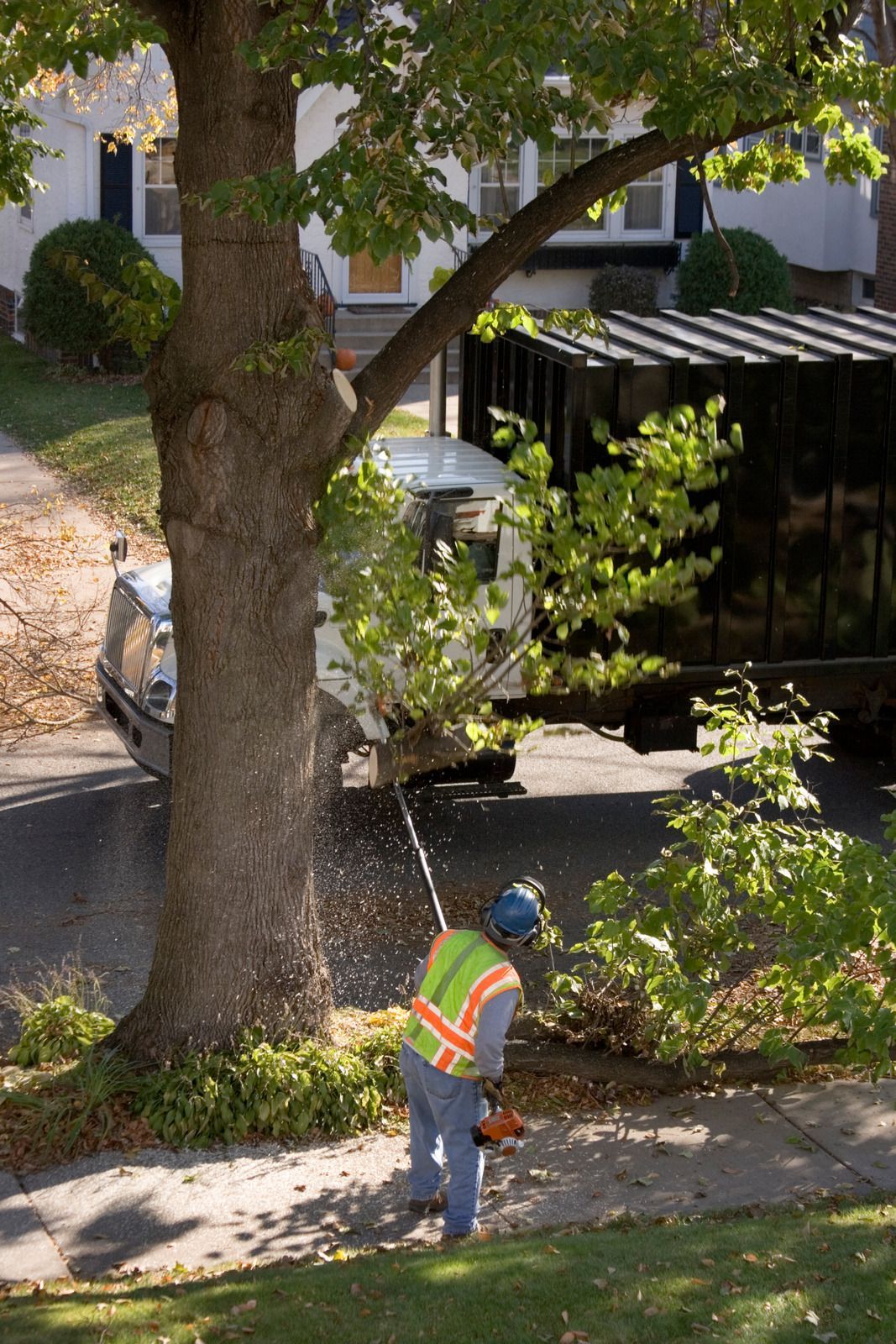
Decline is usually visible for years: thinning at the top, deadwood accumulating on one side, bark loosening in plates, fungal growth appearing at the base. None of it looks urgent. Then a storm arrives and the failure happens in 4 seconds, taking a fence, a car, or a corner of the roof with it.
Catching that trajectory early gives you options. Removing weight, correcting structure, or planning a removal on a calm Tuesday morning all cost considerably less than emergency crane work in driving rain at midnight.
- Structure assessed from the ground and the canopy
- Pruning cuts made at the collar, never flush or stubbed
- Removals planned around drops, targets, and access
- Storm damage cleared and hauled away completely
TREE SERVICE
GOOD PRUNING SHOULD LOOK LIKE NOTHING HAPPENED.
The best trimming job is invisible. Crossing limbs are gone, deadwood is out, weight is balanced, clearance over the roof is restored, and the tree still reads as itself from the street. What you should never see is a canopy hacked back into stubs. Topping removes the leaf area a tree needs to feed itself and forces weak, fast-growing shoots that snap in the next storm. It creates the hazard people hire us to prevent.
ICE AND WIND FIND THE SAME WEAK LIMBS EVERY TIME.
Piedmont storms have a pattern. Summer wind takes brittle wood and codominant stems, winter ice loads the outer canopy until narrow branch unions split, and saturated ground lets shallow-rooted pines lean or pull out entirely. Trees with tight, upright crowns and fewer thick branches ride it out. Sprawling, unbalanced canopies do not. Knowing which shape stands in your yard determines whether pruning is worthwhile or whether the tree should simply come down.
WE HAVE LEARNED WHICH TREES DO NOT GET A SECOND CHANCE.
Some trees look terrible and recover fully. Others look fine and are already lost. Across 2 years of clearing storm damage in this county we have learned that the difference lives in the roots and the union, not the leaves. Soil heaving at the base, a fresh lean, more than half the canopy gone, decay at a main fork. Those tell a clear story. Do you want a real opinion on your tree or a quote for whatever the crew wants to sell?
WHAT CARED FOR TREES ARE WORTH
STORM DAMAGE THAT NEVER HAPPENS
Thinning a dense canopy lets wind pass through instead of pushing against it, and removing deadwood eliminates the pieces most likely to fall. Prevention is dramatically cheaper than repairing what a failed limb lands on.
A HEALTHIER CANOPY
Cutting out crossing, rubbing, and diseased limbs improves airflow and light penetration through the tree. The remaining structure grows stronger, and problems that would have spread through the canopy stop where they are.
CLEARANCE WHERE YOU NEED IT
Limbs riding on shingles wear away granules and hold moisture against the roof. Branches over a driveway drop sap and debris on vehicles. Restoring proper clearance protects what sits beneath the tree.
LIGHT BACK ON THE LAWN
Grass beneath a heavy canopy thins out and gives up, no matter what gets seeded there. Selective raising and thinning returns enough light for turf to hold, which solves a lawn problem at its source.
PROPERTY VALUE PRESERVED
Mature trees add measurable value to a home, and losing one takes decades to replace. Keeping them structurally sound protects an asset that no landscaping budget can recreate within your lifetime.
PEACE OF MIND IN A STORM
Knowing the tree over the bedroom has been assessed and correctly pruned changes how a forecast feels. That quiet confidence is what most people are really buying when they call about a tree.
Insert Title
Insert Title
WHAT WE CUT
OUR TREE SERVICE WORK
From routine trimming to full removals and the mess a storm leaves behind, these are the services we bring to trees around a property, on schedule or on short notice.
SHAPE
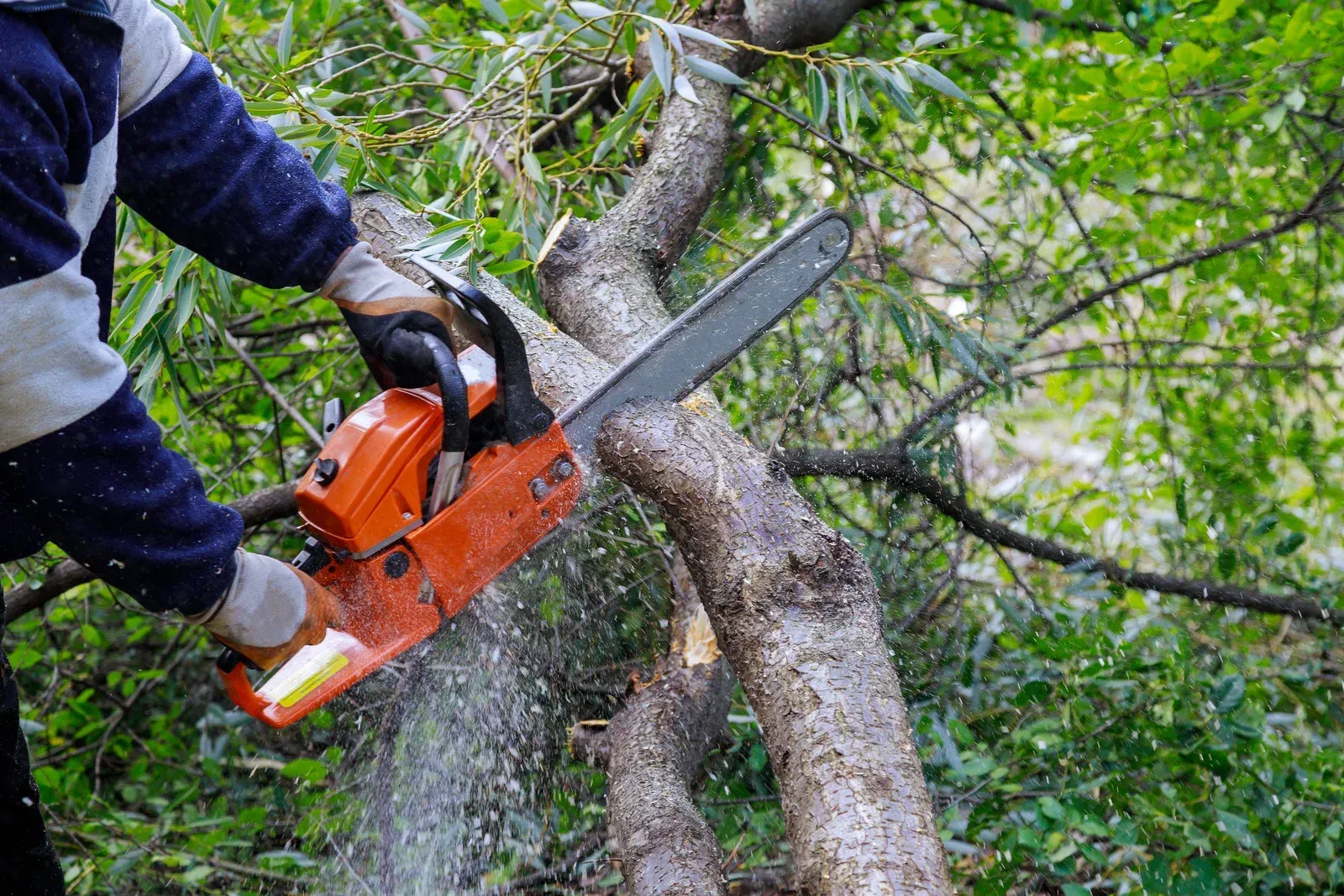
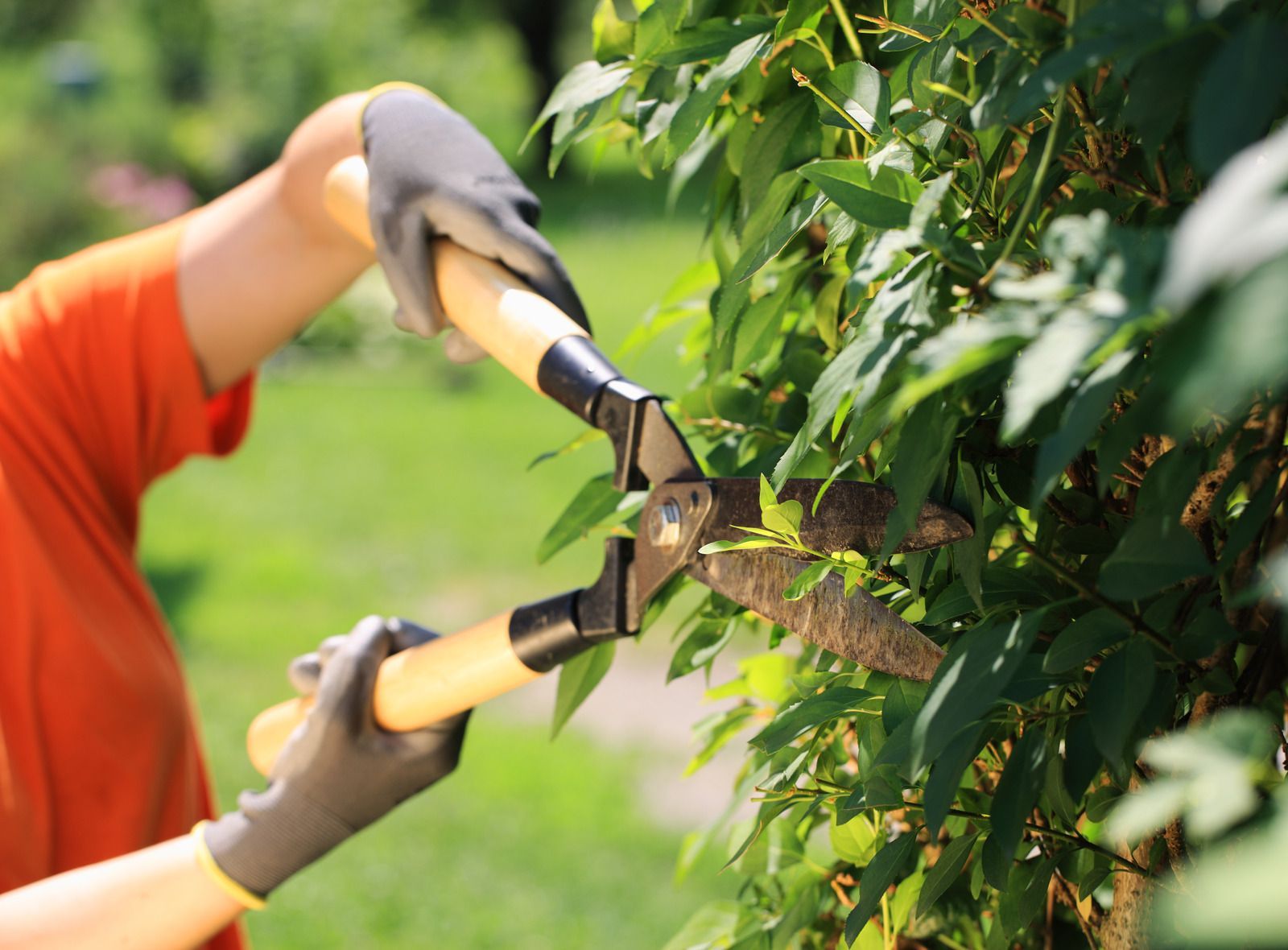
TREE TRIMMING
Deadwood, crossing limbs, and low-hanging branches come out with cuts placed at the branch collar so the wound seals properly. The tree keeps its natural form while clearance over roofs, drives, and walkways gets restored.
THIN
CROWN THINNING
Selectively removing interior branches lets wind move through a canopy rather than pushing against a solid sail. Done correctly it reduces storm risk and improves light without stripping the tree or triggering a flush of weak growth.
REMOVAL
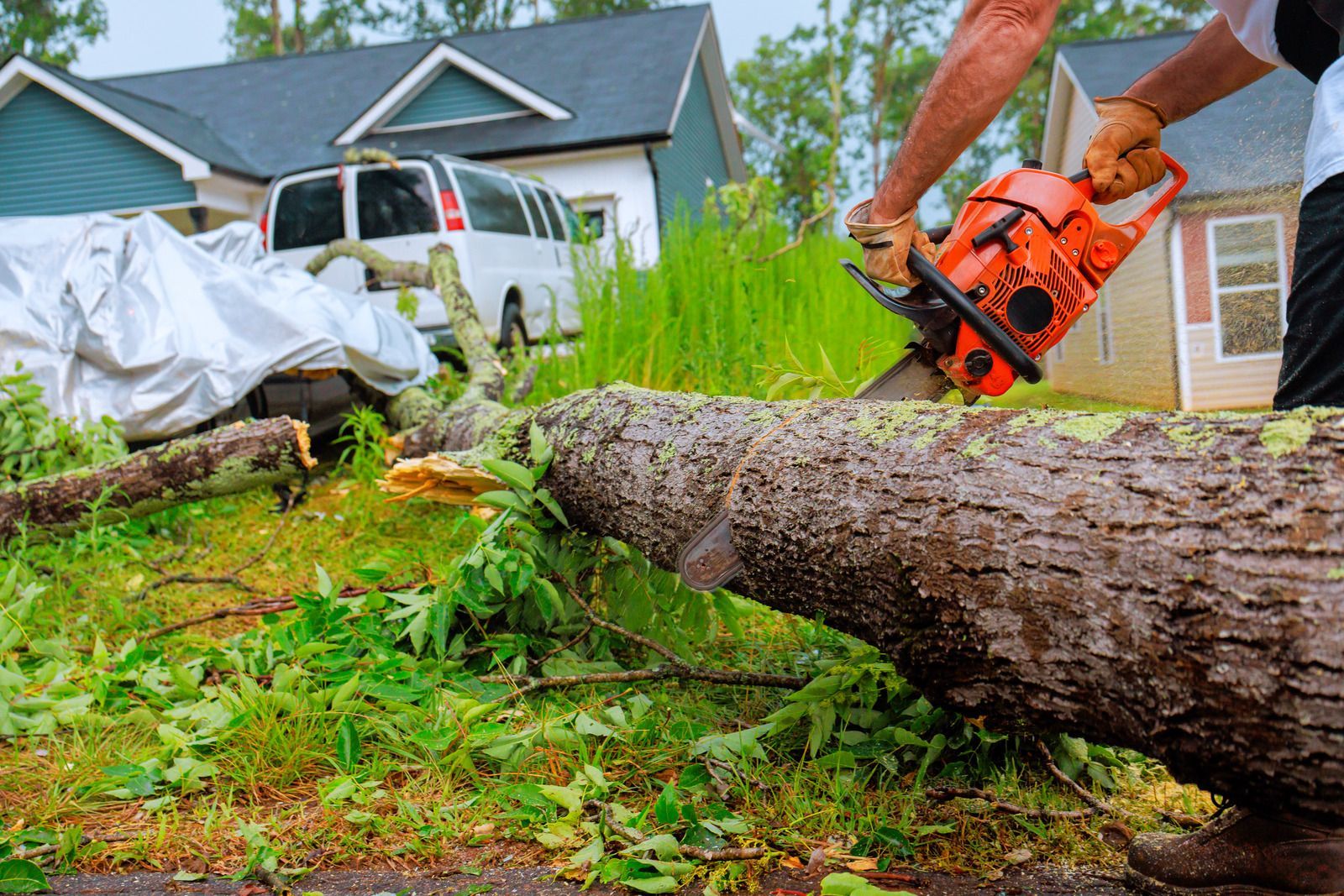
TREE REMOVAL
When a tree is dead, structurally failing, or standing too close to a target, it comes down in controlled sections. Drop zones, access, and nearby structures are planned before any saw starts, and debris leaves with us.
STORM WORK
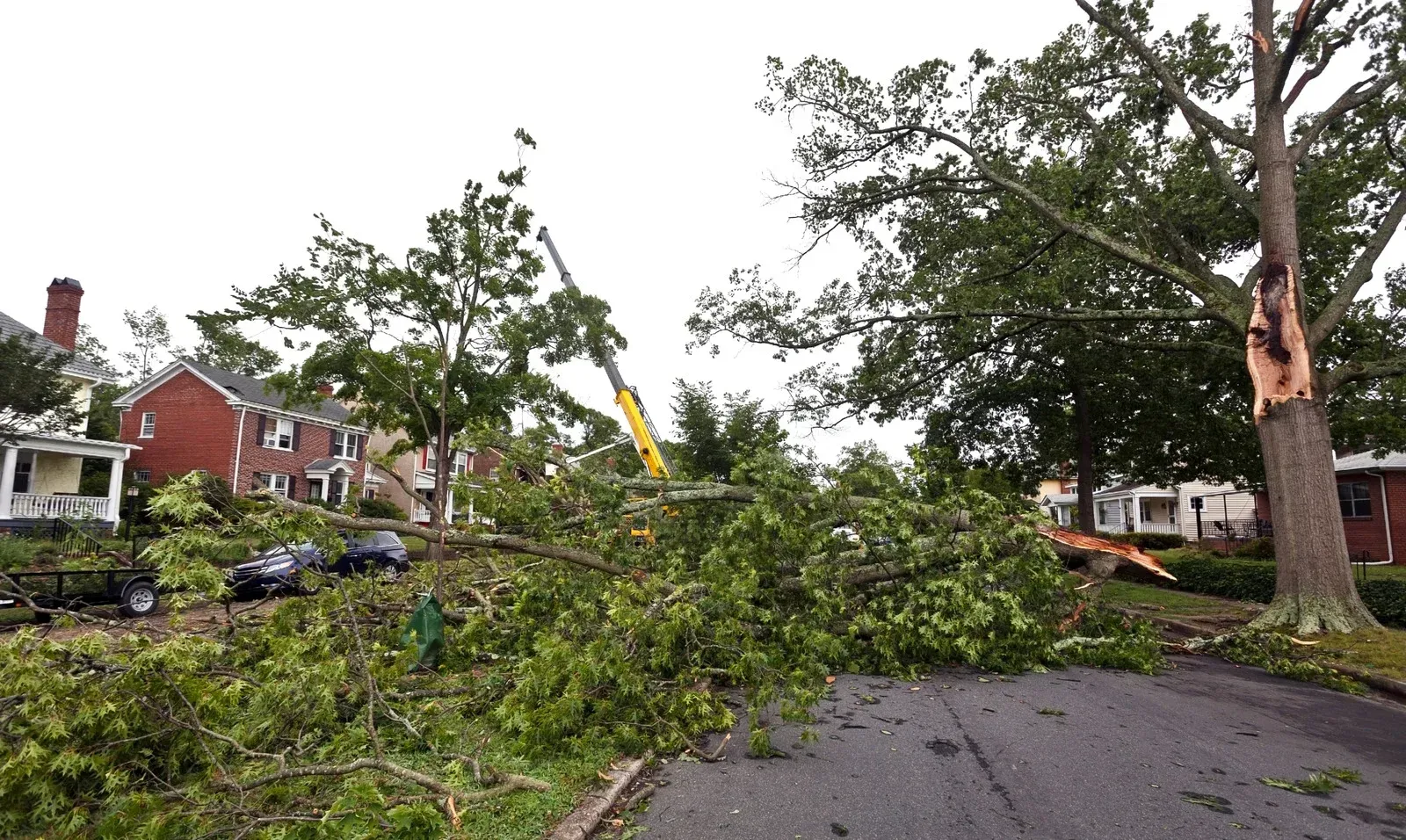
STORM DAMAGE CLEANUP
Wind and ice leave hanging limbs, split unions, and trees resting on things they should not be. We clear the immediate hazard, then advise honestly on whether the remaining tree can recover or needs full removal.
STUMP GRINDING
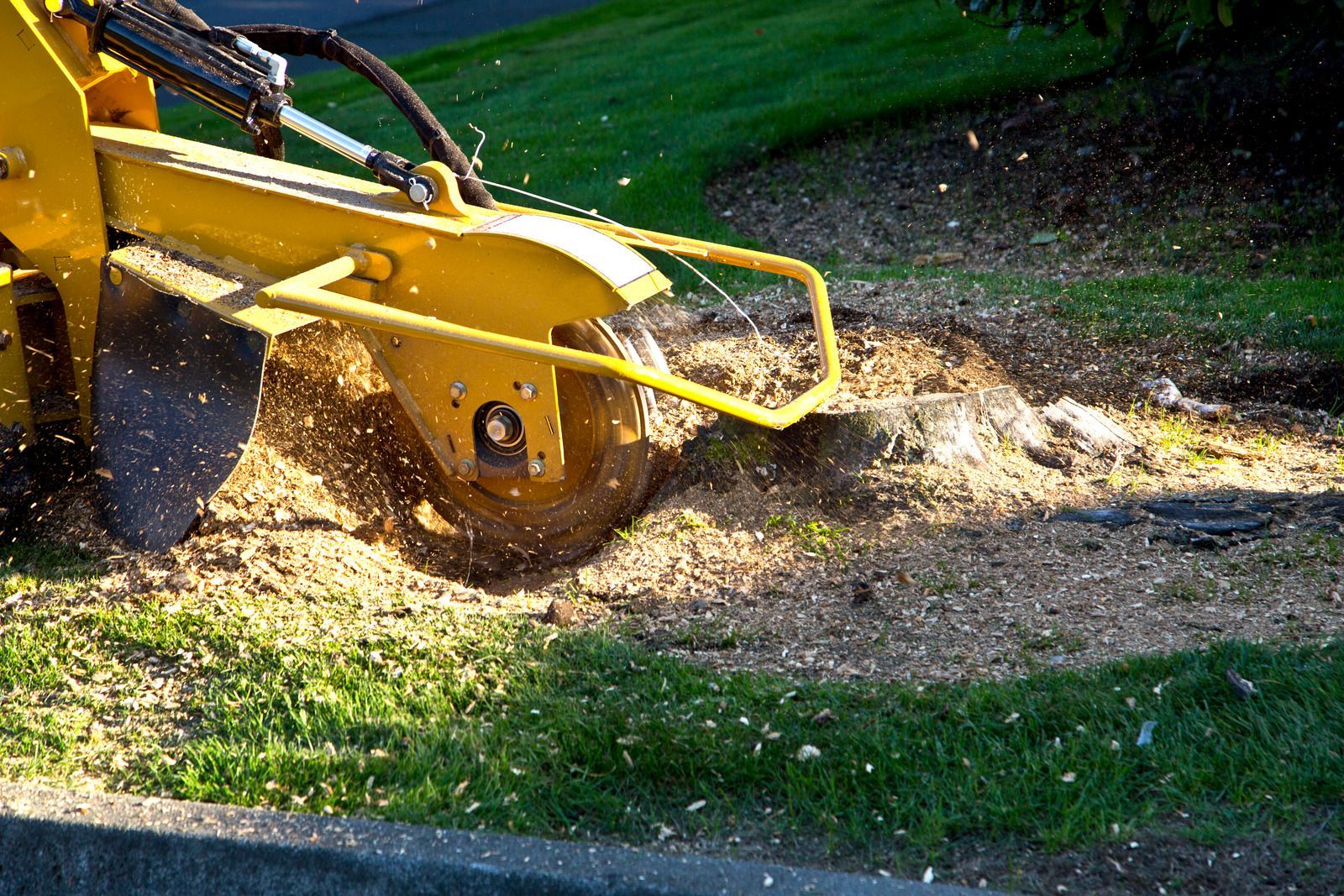
STUMP GRINDING
Grinding well below grade removes the tripping hazard, stops sprouts from returning, and clears the way for grass or new planting. Chips can be hauled off or left to backfill the hole, whichever you prefer.
HAZARD LIMBS
DEADWOOD AND HAZARD REMOVAL
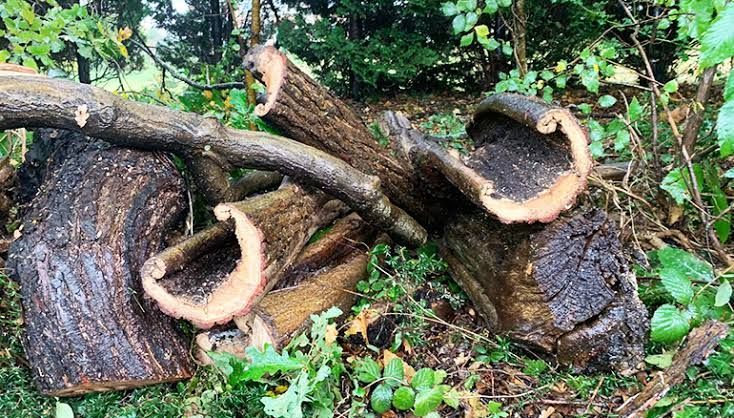
Dead limbs over a driveway, a play set, or a walkway are the pieces most likely to come down first in wind. Removing them targets the actual risk without requiring work on the entire canopy.
Common Questions
FREQUENTLY ASKED QUESTIONS.
What homeowners ask when they are standing under a tree they are unsure about. Send a photo through the contact page and we will give you a straight read.
What is the difference between tree trimming and tree pruning?
Trimming generally refers to shaping and clearance work, while pruning targets tree health by removing dead, diseased, or poorly attached limbs. In practice good crews do both during the same visit.
Why should you avoid pruning oak trees in spring and summer?
Oak wilt spreads when sap-feeding beetles carry fungal spores into fresh cuts, and those beetles are active from April through August. Oaks are pruned in dormancy unless a genuine safety hazard demands otherwise.
How often do mature shade trees need to be trimmed?
Roughly every 3 to 5 years for most established hardwoods, though fast growers and trees near structures need attention sooner. 3 In 1 Lawn and Home Care assesses intervals individually across Burlington, NC properties.
How can you tell if a tree is dead or dying?
Scratch a small twig: green underneath means living tissue, brown means dead. Add thinning at the crown, bark falling away in plates, fungal shelves at the base, and branches that snap rather than bend.
Why is topping a tree bad for it?
Cutting a canopy back to stubs removes the leaf area the tree needs to feed itself and triggers weakly attached water sprouts. Those shoots grow fast, attach poorly, and fail in the next storm.
Can a tree be saved after storm damage, or does it have to come down?
Trees losing more than roughly half their canopy generally come down. Below that, with sound roots and no split union, many recover. 3 In 1 Lawn and Home Care handles storm calls throughout Burlington, NC.
What are the signs of pine bark beetles in a loblolly pine?
Needles turning yellow, then reddish brown, along with popcorn-sized pitch tubes on the trunk. Sprays do not help once a tree is infested, so prompt removal protects neighboring pines from the same fate.
Is stump grinding the same as stump removal, and can you plant grass over it?
Grinding chews the stump below grade rather than excavating the root plate, which is far less disruptive. Once chips are removed and topsoil goes in, grass establishes over the spot without trouble.
HOW WE WORK
FROM GROUND ASSESSMENT TO CLEAN CUT, HERE IS HOW.
STEP 01
WE ASSESS THE TREE
Species, structure, root condition, lean, decay, and what sits underneath all get evaluated before any recommendation. Half of what determines a tree's future is at the base rather than up in the canopy.
STEP 02
WE TELL YOU STRAIGHT
You get an honest read on whether the tree needs pruning, needs removal, or needs nothing at all this year. Plenty of our assessments end with a recommendation to leave it alone.
STEP 03
WE PLAN THE WORK
Drop zones, rigging points, access for equipment, and protection for beds, fences, and structures are all mapped before a saw runs. Careful planning is what keeps tree work from becoming property repair.
STEP 04
WE MAKE THE CUTS
Pruning cuts sit at the branch collar so the wound can seal, and removals come down in controlled sections. Nothing gets stubbed, topped, or dropped where it has not been planned to land.
STEP 05
WE CLEAR THE SITE
Limbs, brush, and sawdust leave with us, and the ground gets raked out properly before anyone packs up. A yard should look better after tree work, not like something was abandoned halfway through the afternoon.
STEP 06
WE FINISH THE STUMP
If the stump is coming out, grinding goes well below grade so sprouts cannot return and turf can establish. You decide whether chips get hauled away or used to backfill the hole.
GET YOUR ESTIMATE
POINT AT THE LIMB THAT KEEPS YOU UP AT NIGHT.
Every homeowner has one tree they think about during a storm. Show us that tree and we will look at the roots, the union, the lean, and what stands beneath it, then tell you plainly whether it needs pruning, removal, or simply another look next year. If the answer is that nothing needs doing, that is what you will hear. Send a photo and the address through our contact page to get started.
WHAT YOUR TREE ASSESSMENT COVERS:
- Species, structure, and root condition evaluated
- Risk judged against what sits below the tree
- Pruning and removal discussed as separate options
- Access and drop zone considerations explained
- Stump grinding priced clearly if it applies
- Debris removal and site cleanup included