
LAWN MAINTENANCE
LAWN MAINTENANCE in Burlington, NC
There is a version of Saturday morning that does not start with a mower refusing to turn over. Lawn maintenance from 3 In 1 Lawn and Home Care lifts that whole weekly routine off your hands across Burlington, NC and the nearby Alamance County towns, covering mowing at the correct height for the season, clean trimming and edging, bed weeding, and a full blow-down of every hard surface before the trailer pulls away from the curb each visit.
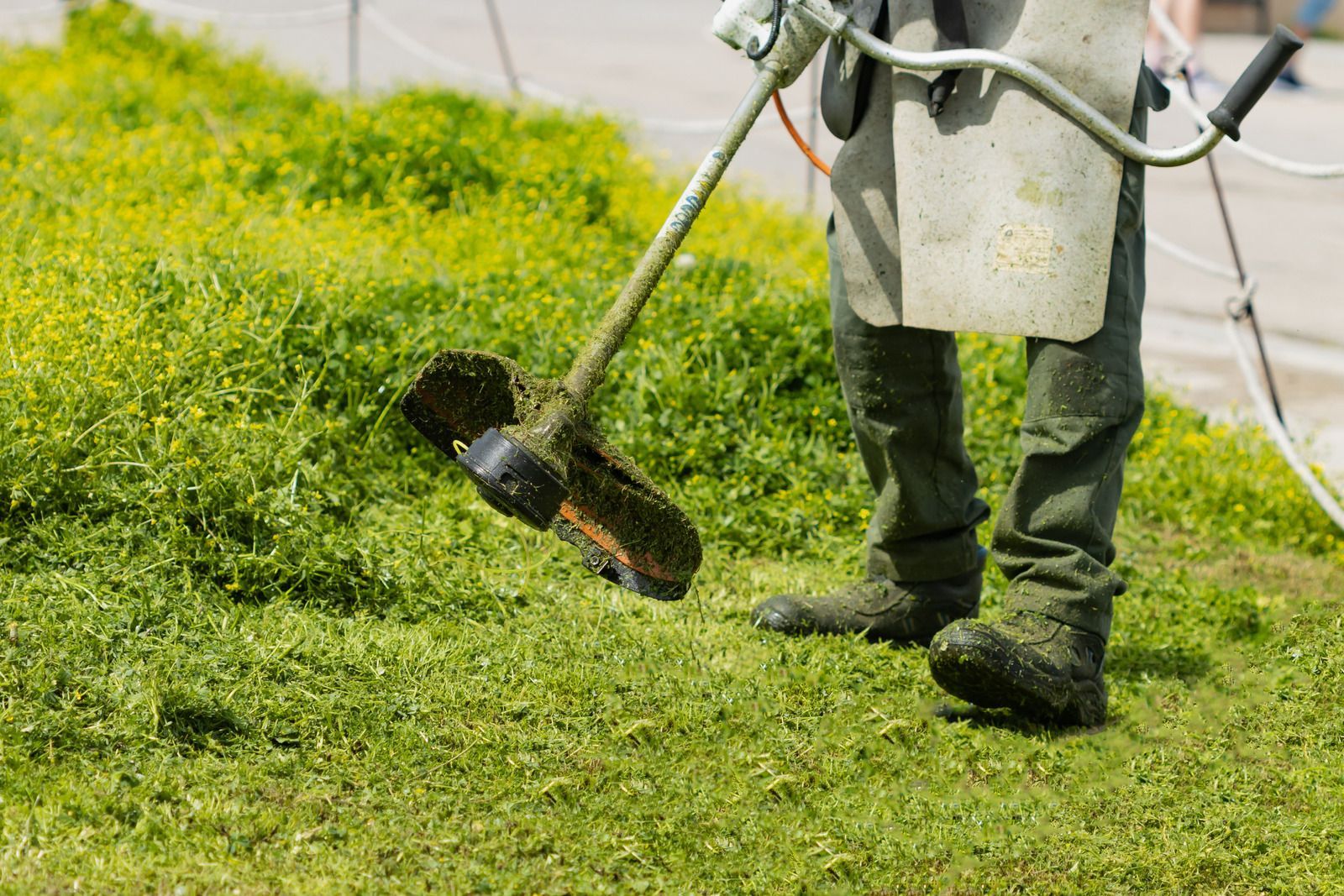
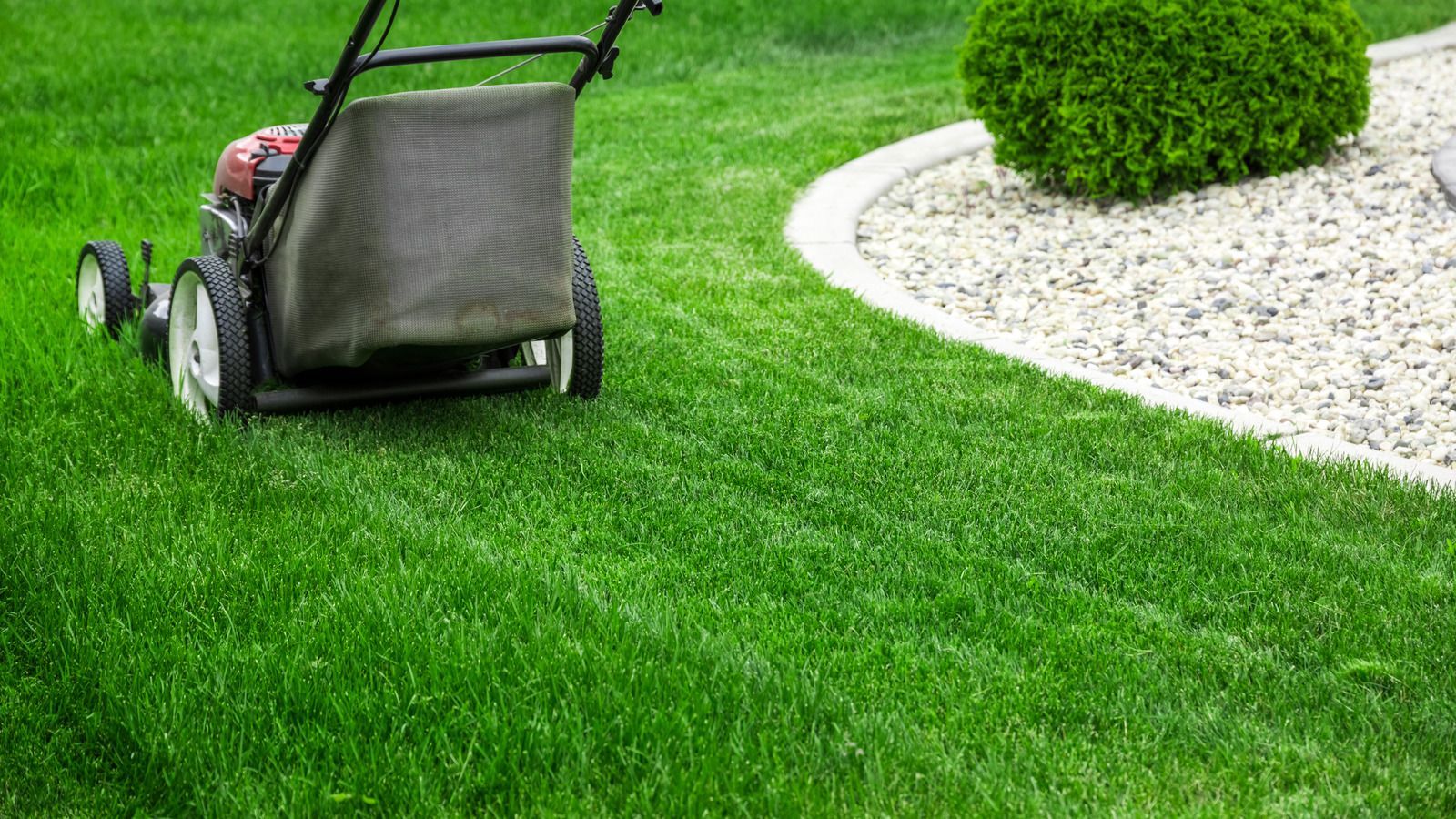
A MOWED LAWN AND A MAINTAINED LAWN ARE NOT THE SAME THING.
Plenty of crews cut grass, load up, and leave clippings scattered across the driveway with a ragged line along every bed. The lawn is technically shorter. Nothing about the property looks cared for. Maintenance means the mowing pattern changes so ruts do not form, the trimmer never scalps the fence line, and the walkways are clean when the trailer pulls away.
That standard costs a few extra minutes on each visit. It is also the entire reason people notice a yard from the road, so we are not interested in skipping it.
- Mowing height adjusted by grass type and season
- Direction alternated to prevent ruts and grain
- Trimming, edging, and full hard-surface blow-down
- Consistent crews who learn the property
LAWN MAINTENANCE
THE DIFFERENCE ALWAYS SHOWS UP AT THE EDGES.
Anyone can run a deck across open turf. The work that separates a finished yard from an average one happens at the boundaries: the crisp line where grass meets concrete, the clean sweep around a mailbox post, the fence line trimmed without shaving the crown off the grass. Those details take patience and sharp equipment rather than horsepower. We treat them as the job itself, not the cleanup afterward, which is why properties on our routes hold their look between visits.
SUMMER HERE PUNISHES A SINGLE HEIGHT MOWING PLAN.
Cutting fescue at the same setting in April and August is one of the fastest ways to lose a lawn in the Piedmont. Blades need to come up through the heat so roots stay shaded and moisture holds, then drop again before winter. Warm season grasses want the opposite treatment entirely. We track what each property is growing and move the deck accordingly, rather than running one height across every yard on the route.
WE SHOW UP ON THE DAY WE SAID WE WOULD.
Reliability sounds like a small promise until you have waited 3 weeks on a crew that stopped answering. In 2 years of running routes through Alamance County, the thing clients mention most is not the equipment or the technique. It is that the truck arrives, the work gets done, and nobody has to chase anyone down. Weather moves things occasionally, and when it does you hear from us first. Is that not the baseline you were hoping for?
WHAT STEADY UPKEEP IS ACTUALLY WORTH
WEEKENDS THAT BELONG TO YOU
2 or 3 hours vanish into a yard every week through the growing season, before counting fuel, blades, and equipment repairs. Handing it off returns that time completely and removes the low-grade guilt of watching the grass get away from you.
A PROPERTY THAT NEVER LOOKS NEGLECTED
Consistent intervals mean the lawn is never long enough to look abandoned or short enough to look scalped. Visitors, neighbors, and appraisers all register that steadiness, and it carries across everything else on the lot.
HEALTHIER GRASS OVER TIME
Correct heights, sharp blades, and clippings left to break down feed the lawn instead of stressing it. Turf mowed properly resists drought and disease noticeably better than turf cut too low by a dull deck.
NO EQUIPMENT TO OWN OR FIX
Mowers, trimmers, edgers, and blowers all cost money, take up garage space, and break at inconvenient moments. That entire category of ownership disappears, along with the spring trip to get everything serviced.
PROBLEMS SPOTTED EARLY
Crews on a property every week notice things owners stop seeing: a wet spot spreading, fungus starting, a limb hanging low over the roof. Early word gives you room to act before repairs get expensive.
ONE PREDICTABLE LINE ITEM
A recurring schedule turns yard work into a known, budgeted cost instead of an unpredictable series of weekend purchases and emergency calls when everything has grown past the point of easy recovery.
Insert Title
Insert Title
WHAT WE KEEP UP
OUR LAWN MAINTENANCE WORK
Every recurring visit includes the core items below, with the seasonal tasks folded in as the calendar calls for them. Tell us what matters most and we will shape the route around it.
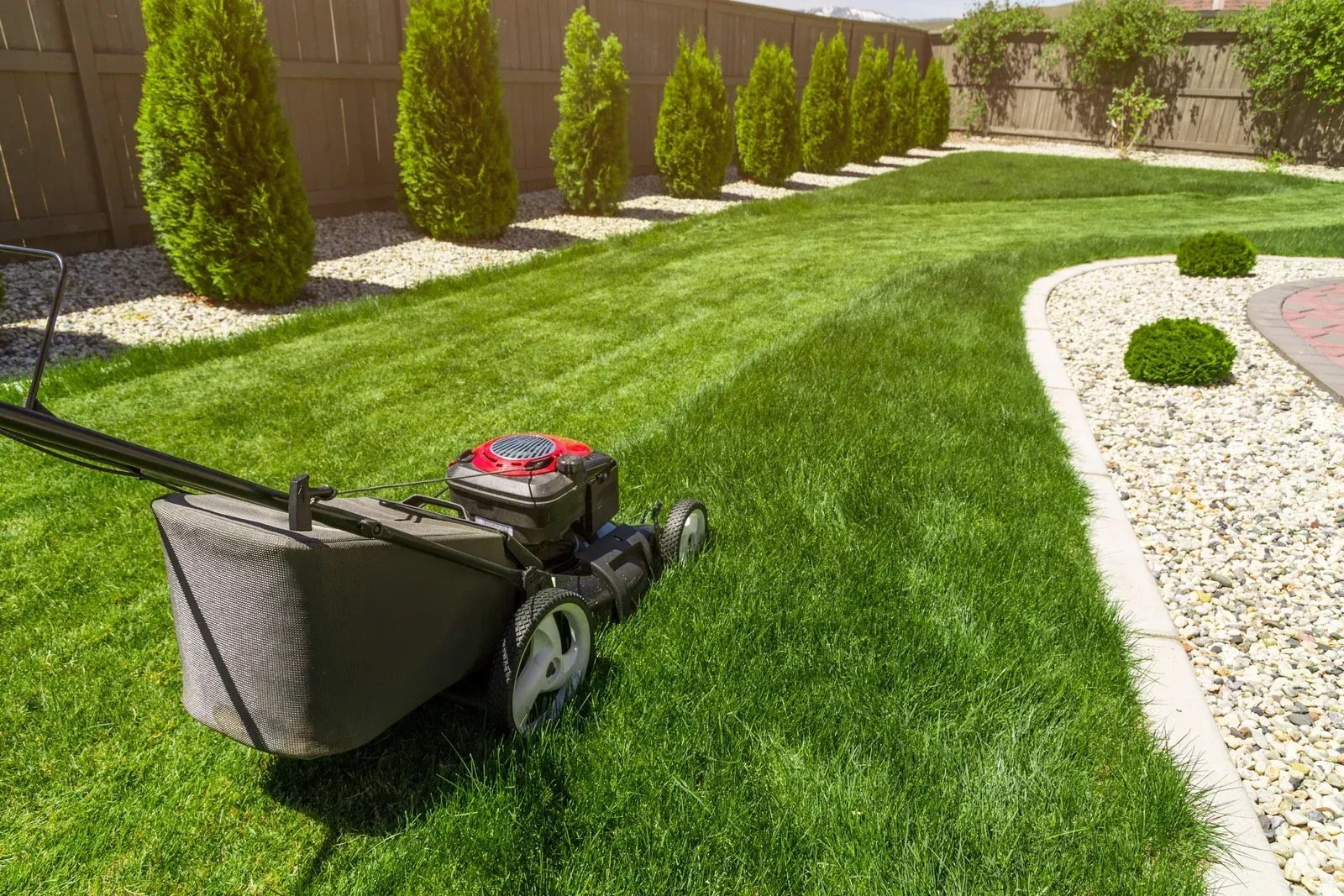
WEEKLY CUT
MOWING
Height set by grass type and season, direction alternated visit to visit, and blades kept sharp so tips are cut cleanly rather than torn. Clippings stay on the lawn as free nutrition unless growth has outpaced the schedule and clumping would smother turf.
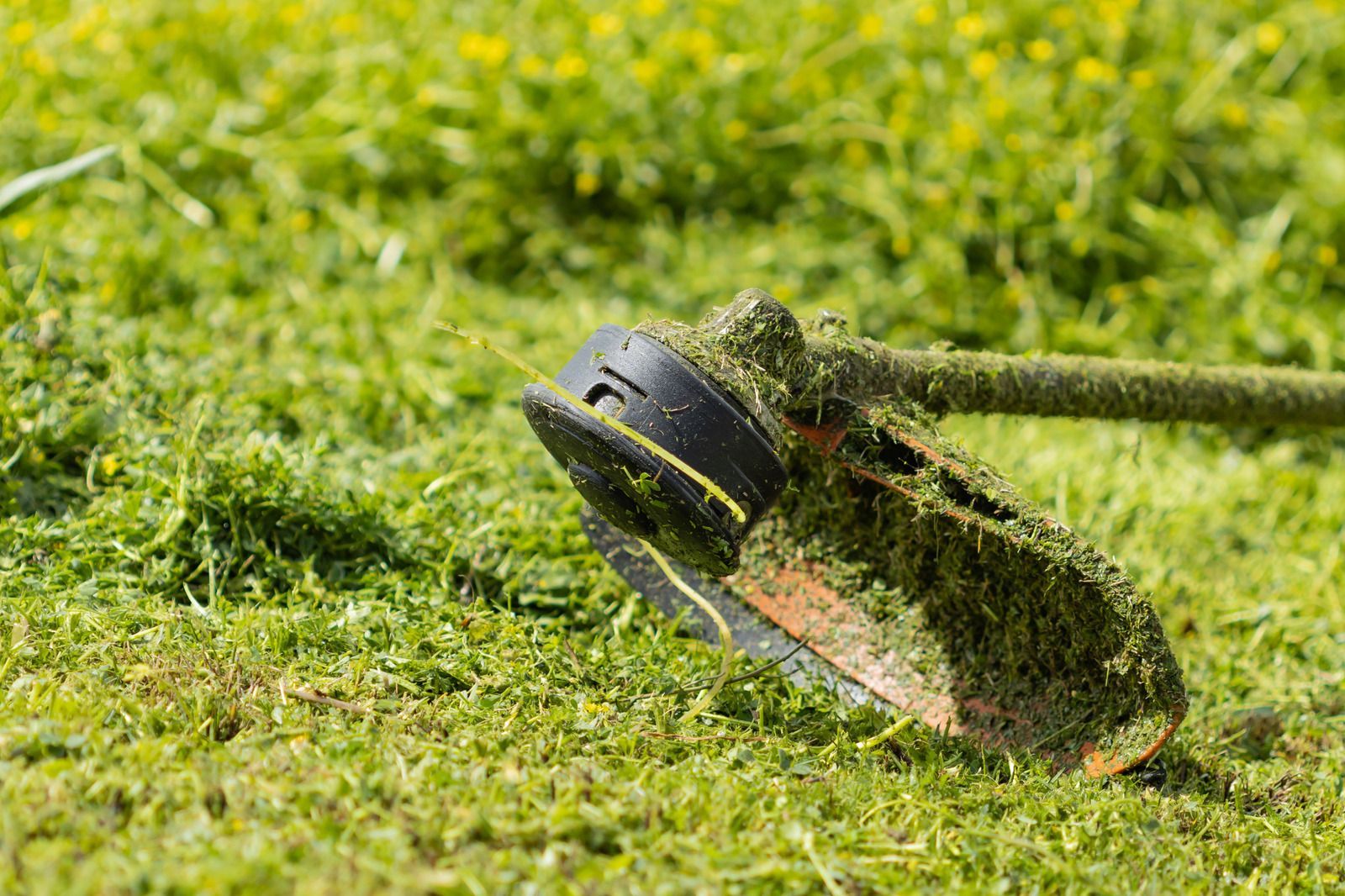
CLEAN LINES
STRING TRIMMING
Fence lines, post bases, tree rings, and bed borders get trimmed to match the mowed height instead of scalped to bare dirt. Careful trimming around trunks also avoids the bark damage that quietly kills young landscape trees over several seasons.
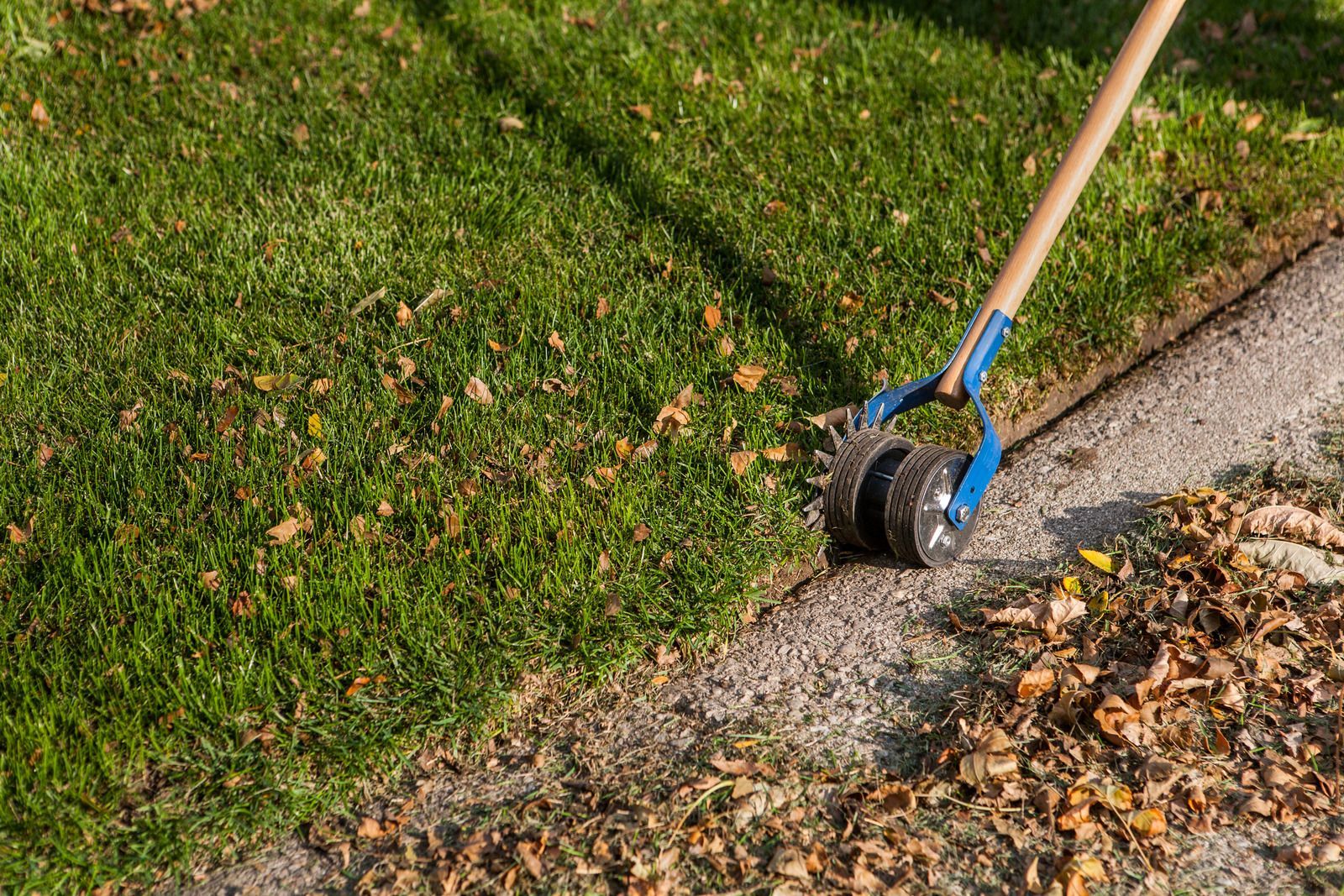
HARD EDGES
EDGING
A defined edge along driveways, sidewalks, and curbs is what makes a lawn read as finished from the street. We cut and maintain that line so turf stops creeping over concrete and the whole property gains a deliberate, tended look.
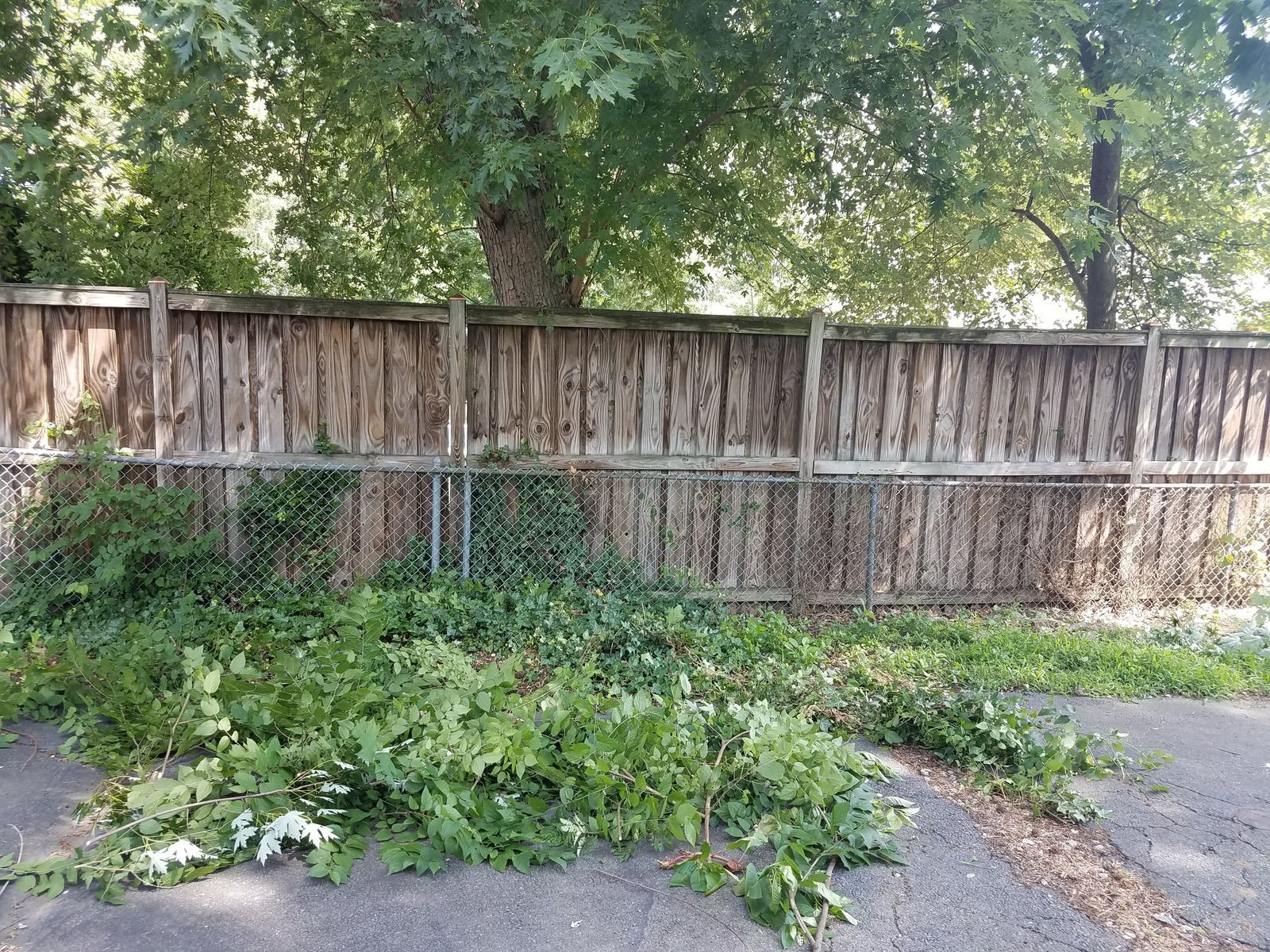
FINISH WORK
BLOW DOWN AND CLEANUP
Clippings and debris get cleared off drives, walks, patios, and porches before the crew leaves, so nothing tracks indoors or stains concrete. It takes a few minutes and it is the difference between a job finished and a job abandoned.
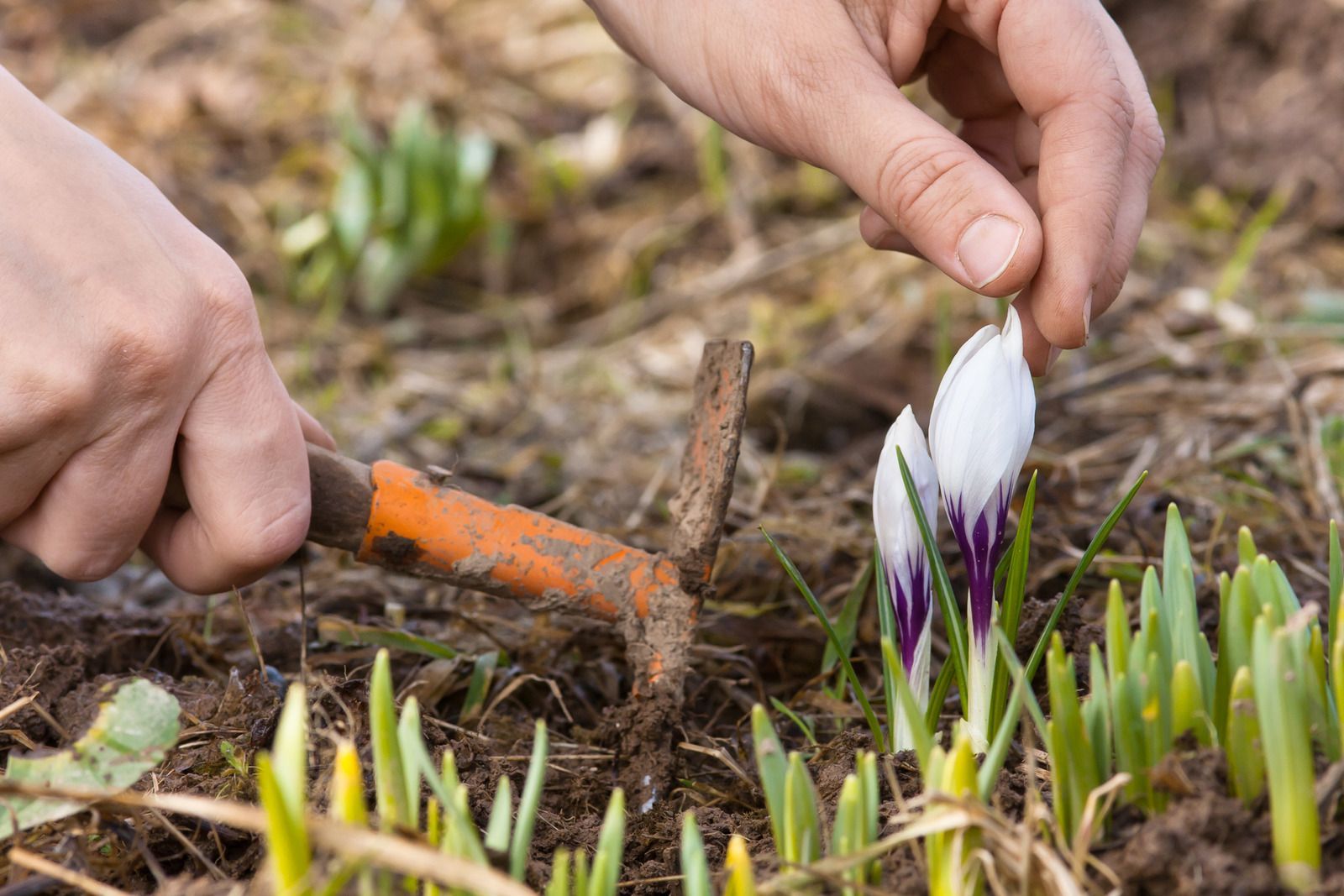
BED CARE
BED WEEDING AND UPKEEP
Landscape beds get hand-weeded, edges redefined, and mulch pulled back where it has drifted against stems. Staying ahead of weeds during regular visits prevents the full scale bed renovation that neglected borders eventually demand from someone.
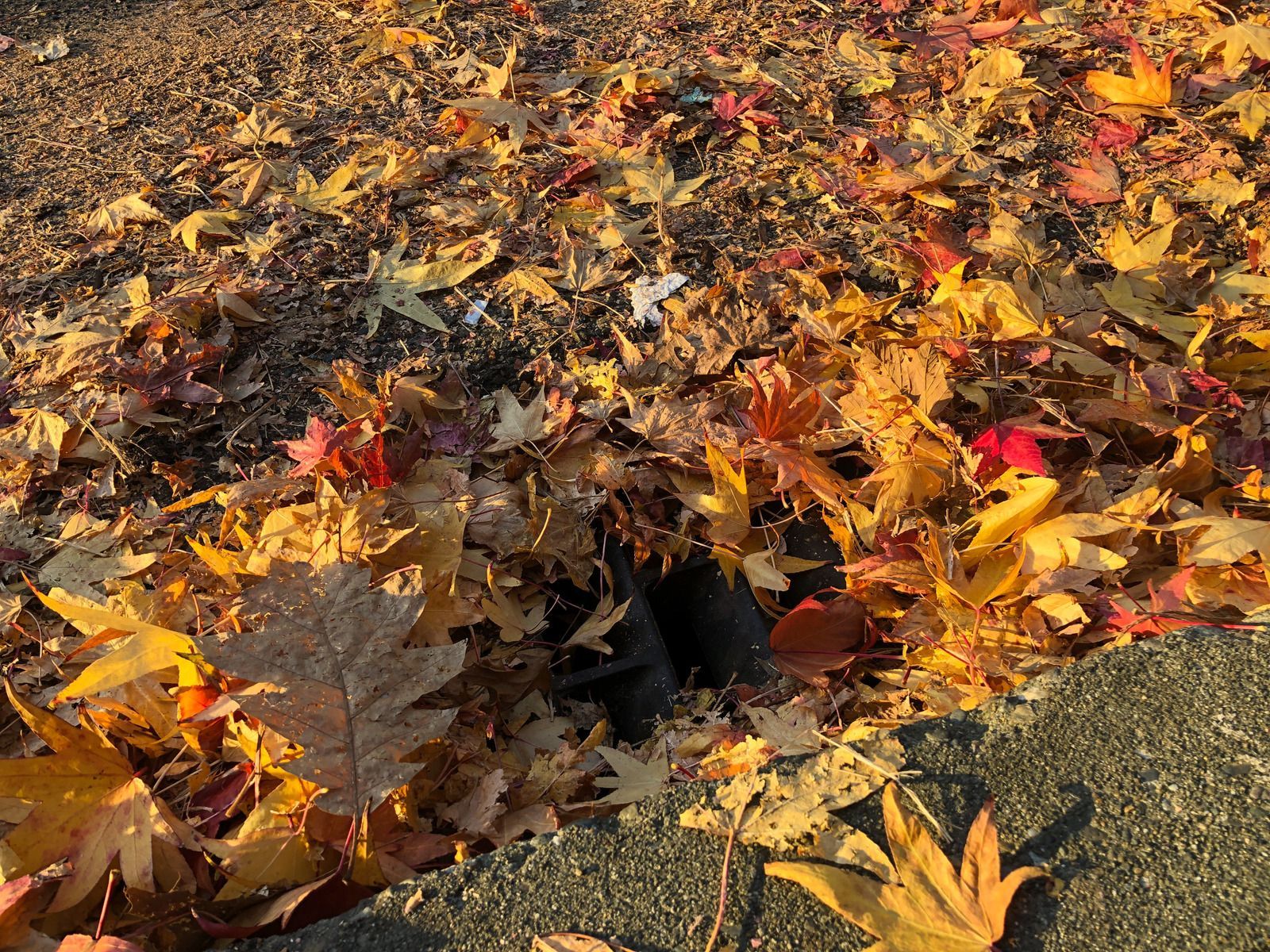
SEASON CHANGE
SEASONAL CLEANUPS
Spring and fall bring a heavier pass: cutting back perennials, clearing accumulated debris from beds and fence lines, and preparing turf for the change ahead. These visits reset the property so routine maintenance stays routine.
Common Questions
FREQUENTLY ASKED QUESTIONS.
Practical questions about mowing heights, watering, and seasonal timing that come up constantly on our recurring routes. Anything specific to your own property is worth asking us directly through the contact page.
What is the right mowing height for tall fescue in summer?
Around 3.5 inches through the hottest stretch. Taller blades shade the soil, hold moisture, and keep roots cooler, which is exactly what fescue needs in July. Drop back toward 3 inches heading into winter.
Is weekly or biweekly mowing better for a NC lawn?
Weekly during spring and fall, when growth is fast enough that biweekly cuts would violate the one-third rule. Every other week works through the summer slowdown and again once growth stalls in late autumn.
What is the one-third rule for mowing?
Never remove more than a third of the blade height in a single pass. Cutting deeper shocks the plant, exposes soil to sun, and forces the lawn to spend energy on recovery rather than root growth.
Is it bad to mow wet grass?
Yes, generally. Wet blades tear instead of cutting, clumps mat down and smother turf underneath, and mower tires rut soft ground. Wet clippings also spread fungal spores across a lawn far more efficiently.
How often should I water my lawn during a NC summer?
About an inch a week, split into two or three sessions rather than one soaking. On clay, water until it starts to run off, pause, then resume so moisture actually soaks in.
When should I stop mowing for the winter in NC?
Whenever growth genuinely stops, usually late November or December depending on the year. Fescue keeps growing slowly through mild spells, so the last cut is decided by the grass rather than the calendar.
Does my lawn need dethatching, and how often?
Only when thatch exceeds roughly half an inch, which is uncommon in fescue. Core aeration handles moderate buildup, and 3 In 1 Lawn and Home Care checks depth on Burlington, NC lawns first.
Why does my lawn look scalped or uneven after mowing?
Usually a deck set too low over uneven ground, or dull blades tearing rather than slicing. 3 In 1 Lawn and Home Care adjusts height by grass type across Burlington, NC and sharpens blades regularly.
HOW WE WORK
FROM FIRST VISIT TO A ROUTINE YOU FORGET ABOUT, HERE IS HOW.
STEP 01
WE LEARN THE PROPERTY
The first visit is slower on purpose. We map the beds, note the slopes, find the sprinkler heads and the soft spots, and identify the grass so the mowing plan is right from the second visit onward.
STEP 02
WE SET THE RHYTHM
You choose weekly or every other week and we lock a day. Consistency matters more than frequency, because a property maintained on a predictable interval never falls far enough behind to need catching up.
STEP 03
WE ADJUST BY SEASON
Deck heights rise into summer and drop again in fall. Frequency stretches when growth slows. You do not have to request any of this, because tracking those shifts is the point of hiring a crew.
STEP 04
WE HANDLE THE DETAILS
Trimming, edging, and blowing happen every visit, not when they get noticed. Bed borders stay defined, hard surfaces stay clear, and the property looks intentional rather than merely shorter than it was.
STEP 05
WE FLAG WHAT WE SEE
Fungus starting, drainage failing, a branch riding the roofline, siding turning green. Crews on site weekly catch these early and mention them, with no obligation to hire us for the fix.
STEP 06
WE KEEP IT CONSISTENT
Same crew, same day, same standard, season after season. Familiarity is what lets a team work quickly without missing anything, and it is why properties on long running routes hold their look.
Get Your Free Estimate
HAND THE WEEKLY JOB TO SOMEBODY ELSE.
part of the visit. We will look at the property, propose an interval that fits how it actually grows, and quote it plainly with nothing hidden in a bundle you did not ask for. Then you get your Saturdays back and stop watching the forecast to figure out when you can cut. Start on the contact page whenever you are ready.
WHAT YOUR MAINTENANCE QUOTE COVERS:
- Lawn size, terrain, and obstacles measured on site
- A recommended interval based on grass type and season
- Clear list of what each visit includes
- Bed and shrub work priced separately if you want it
- Seasonal cleanup timing mapped out in advance
- A set day of the week you can count on