
HVAC MAINTENANCE & REPAIR
HVAC MAINTENANCE & REPAIR in Burlington, NC
Heat pumps in this part of the state get no quiet season at all. They cool through humid Julys, heat through January mornings, and pile up runtime that a system splitting the year with a separate furnace never sees. HVAC maintenance and repair from 3 In 1 Lawn and Home Care keeps that equipment steady across Burlington, NC and the wider Alamance County area, through seasonal tune-ups, honest diagnostics, and repairs that get explained before they ever happen.
A HEAT PUMP HERE WORKS ALL 12 MONTHS.
Systems in milder climates get a genuine break between seasons. Ours do not. A Piedmont heat pump runs cooling from April into October and heating from November into March, which is roughly double the annual runtime of a separate furnace and air conditioner splitting the calendar between them.
That workload is exactly why two visits a year is the standard here rather than a sales tactic. Coils foul, capacitors weaken, and drains block on a schedule tied to hours run.
- Cooling check in spring, heating check in fall
- Coils, drainage, and airflow addressed at each visit
- Defrost and control operation verified in cold weather
- Diagnosis before any part gets recommended
HVAC MAINTENANCE & REPAIR
MOST COMFORT COMPLAINTS ARE AIRFLOW COMPLAINTS.
Before anyone should be talking about compressors, the boring things deserve a look. A filter left in 6 months too long, a return that is undersized, ducts leaking into a crawlspace, or supply vents closed off in spare rooms will all produce exactly the symptoms people blame on a failing system. Rooms that never cool, equipment running constantly, ice forming on a coil in July. Checking airflow first has saved our clients more money than any other habit we have.
NC WINTERS CONFUSE MORE THERMOSTATS THAN THEY BREAK.
Heat pump air comes out around 90 to 100 degrees, which is warm but cooler than skin, so it feels wrong to anyone used to a gas furnace. Then auxiliary heat appears on the display below the mid-30s, the outdoor unit steams during a defrost cycle, and it all looks like failure. Most of the time it is normal operation in a climate that sits right at a heat pump's working edge. Knowing the difference prevents unnecessary service calls.
A HEAT PUMP HAS FEW SECRETS LEFT FROM US.
The same handful of problems account for most calls: a filter nobody changed, a condensate line grown over, a weak capacitor, a coil buried under pollen, a thermostat set to emergency heat since February. Over 2 years of service calls in this county we have learned to check those before touching anything expensive. It is not glamorous diagnostics. It is just what actually turns out to be wrong most of the time, so why would we start anywhere else?
WHAT REGULAR SERVICE ACTUALLY BUYS
FEWER FAILURES AT THE WORST TIME
Systems break when they are working hardest, which means the first heat wave and the first hard freeze. Catching a weak component during a calm season visit is how you avoid that phone call entirely.
LOWER RUNNING COSTS
Dirty coils, low airflow, and incorrect charge all force equipment to run longer for the same result. Restoring those conditions shows up directly on a power bill that had been climbing without explanation.
A LONGER EQUIPMENT LIFE
Compressors fail early when they run under stress for years. Clean coils, correct refrigerant levels, and unrestricted airflow reduce that stress, adding seasons to the most expensive component in the system.
HUMIDITY UNDER CONTROL
Properly functioning cooling removes moisture as well as heat, which is half of comfort in a Piedmont summer. A system that cools but never dehumidifies leaves a house feeling clammy at a perfectly reasonable temperature.
CLEANER AIR INDOORS
Correct filtration, clean coils, and a drain pan that is not holding standing water all affect what circulates through the house. That matters most in spring, when pollen loads here are genuinely severe.
CONFIDENCE IN THE SYSTEM
Knowing the equipment was checked before the season turns is worth something on the first 95-degree afternoon. Uncertainty is most of what makes an aging system stressful to live with.
Insert Title
Insert Title
WHAT WE SERVICE
OUR HVAC WORK
Seasonal maintenance and repair diagnostics on residential heating and cooling systems, with the emphasis always on finding the real cause before recommending any parts. Here is what our visits cover.
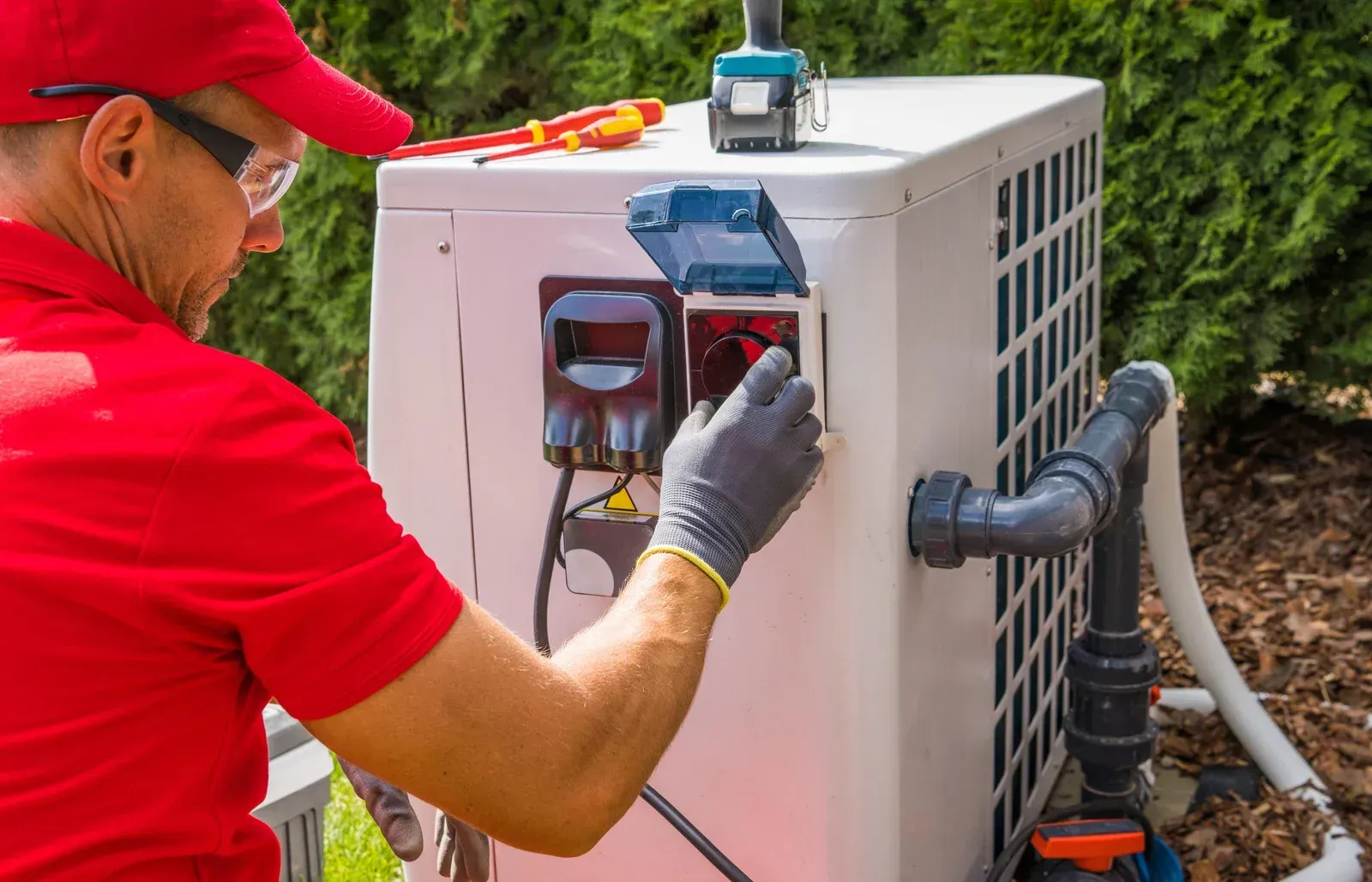
SPRING VISIT
COOLING TUNE-UPS
Before the first hot stretch we clean the outdoor coil, check refrigerant charge and temperature split, test the capacitor and contactor, clear the condensate line, and verify airflow so the system enters summer without carrying a hidden problem.
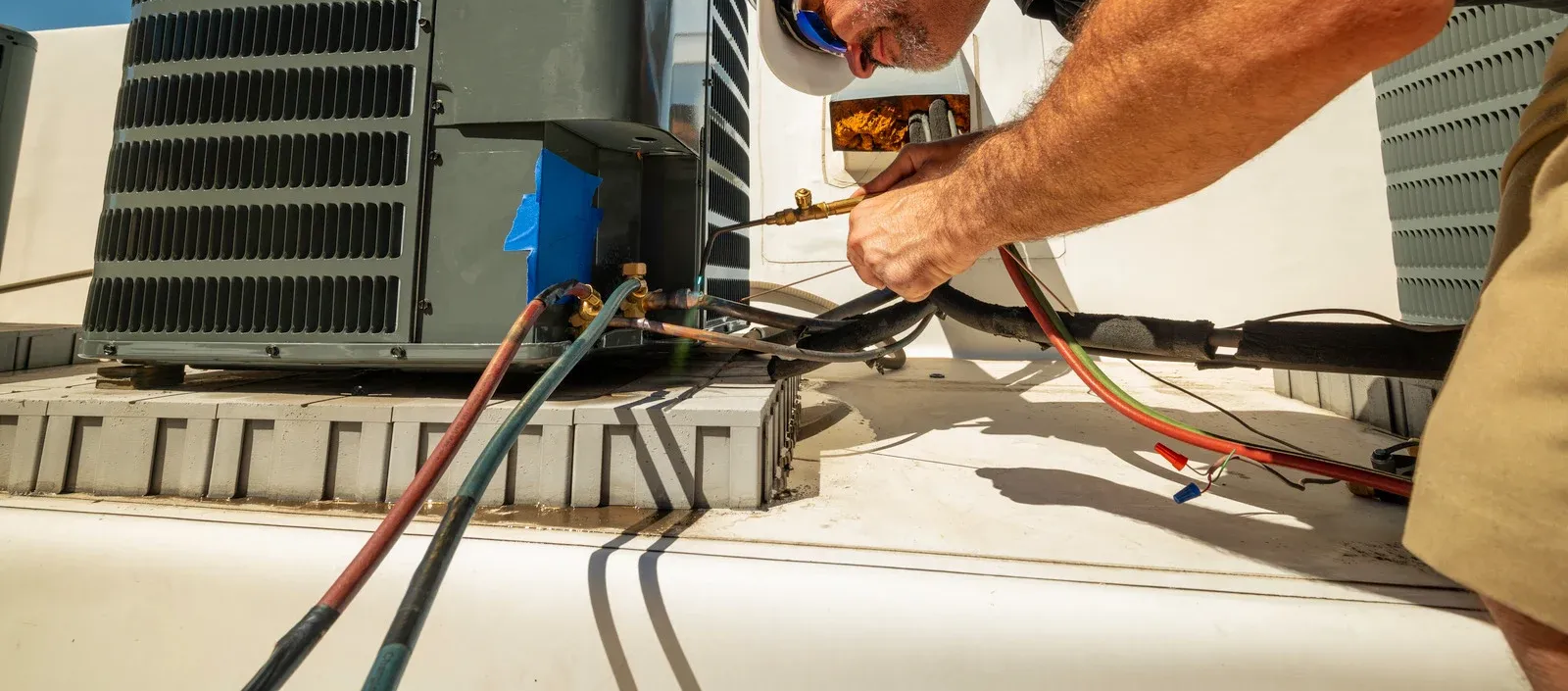
FALL VISIT
HEATING AND HEAT PUMP CHECKS
Ahead of cold weather we verify reversing valve operation, test defrost initiation and termination, check auxiliary heat strips and their sequencing, and confirm the thermostat is staging correctly rather than running expensive backup heat unnecessarily.
DIAGNOSTICS
REPAIR DIAGNOSTICS
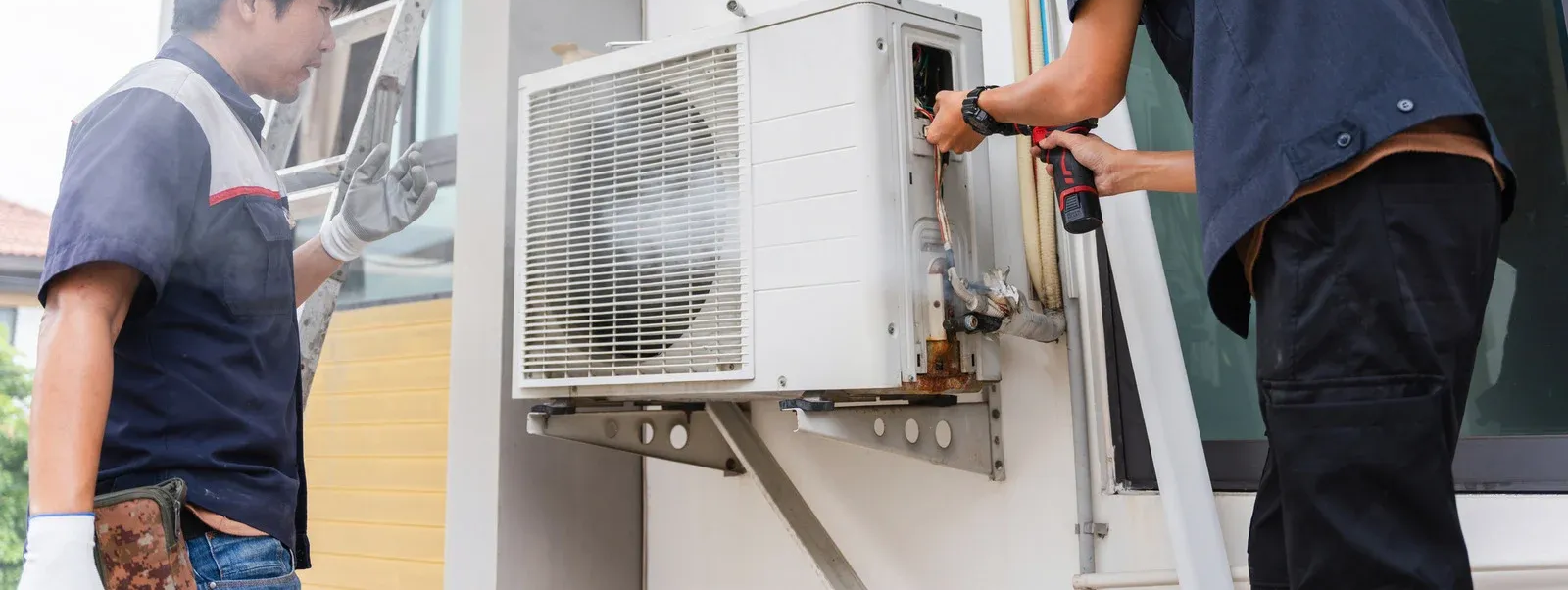
A system not cooling, not heating, short-cycling, or tripping a breaker gets traced methodically. We check the inexpensive causes first, explain what we find with the reasoning attached, and quote repairs before anything is replaced.
AIRFLOW
AIRFLOW AND FILTRATION
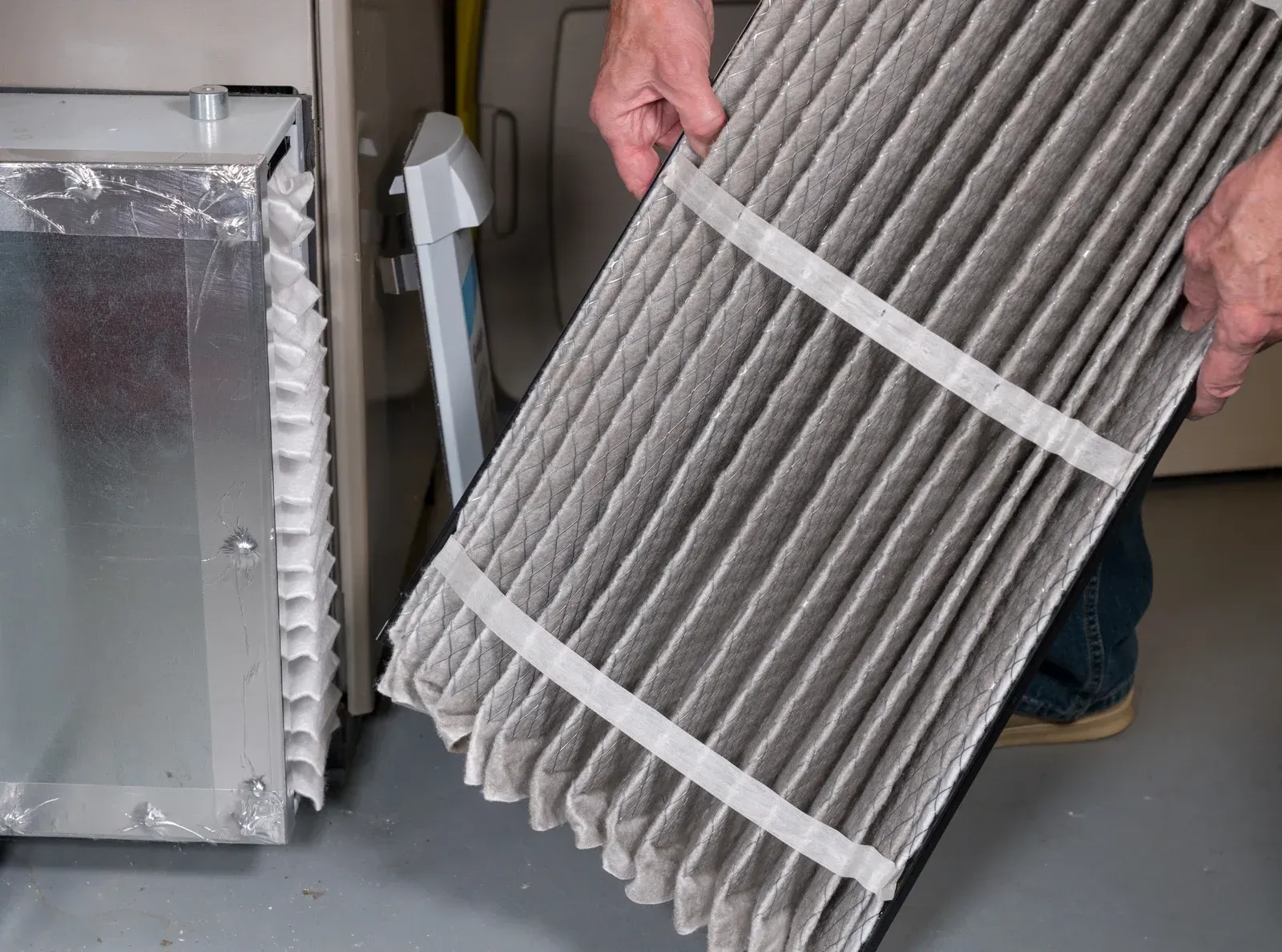
Restricted return air causes frozen coils, weak output, and rooms that never balance. We check filter condition and sizing, look at return capacity, and identify obvious duct leakage feeding conditioned air into a crawlspace.
DRAIN LINES
CONDENSATE AND DRAIN SERVICE
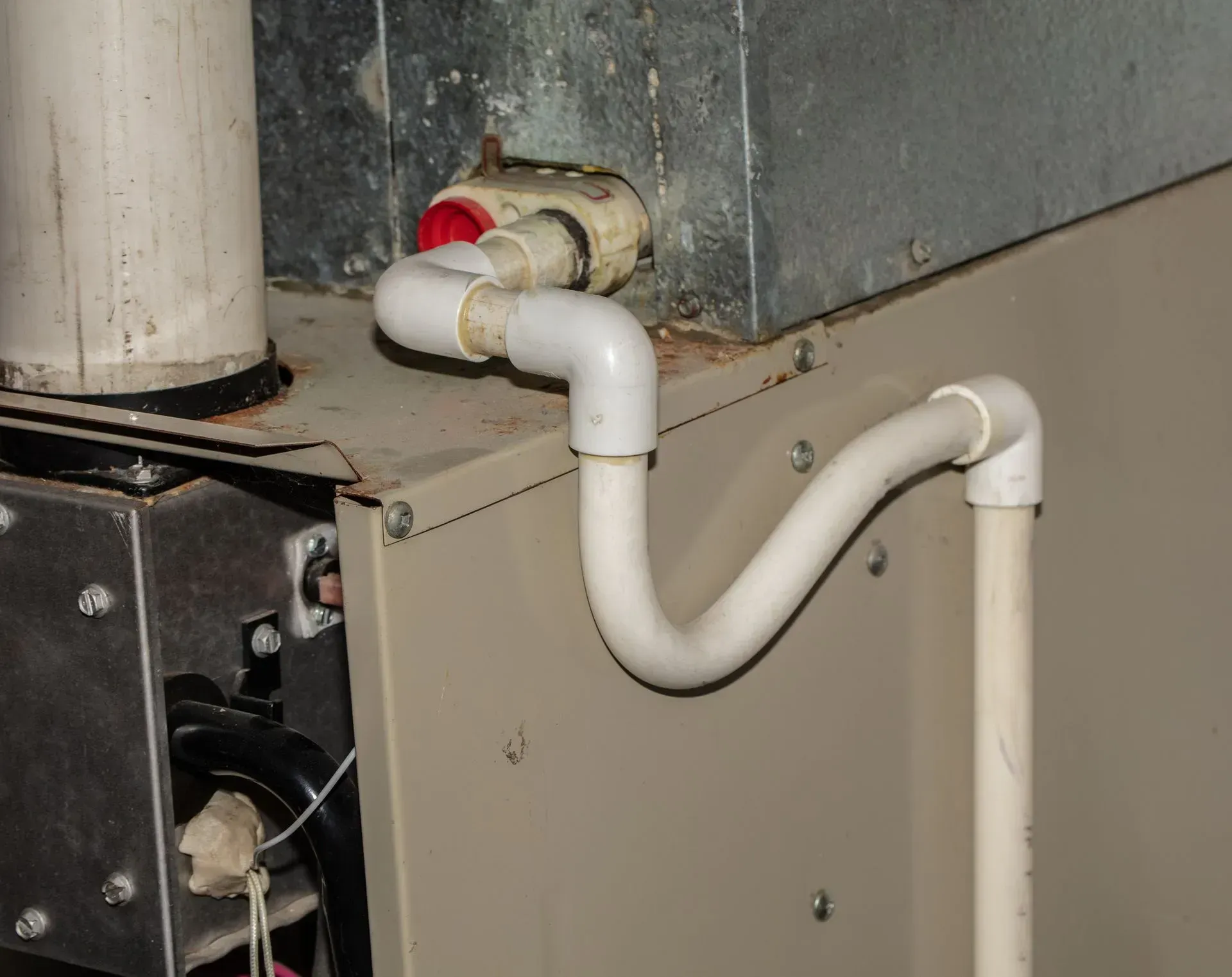
Cooling produces gallons of water daily, and the drain line grows algae until it blocks. A backed-up pan means water on a ceiling or a safety switch shutting the system down, both entirely preventable with routine clearing.
CONTROLS
THERMOSTAT AND DEFROST CONTROLS
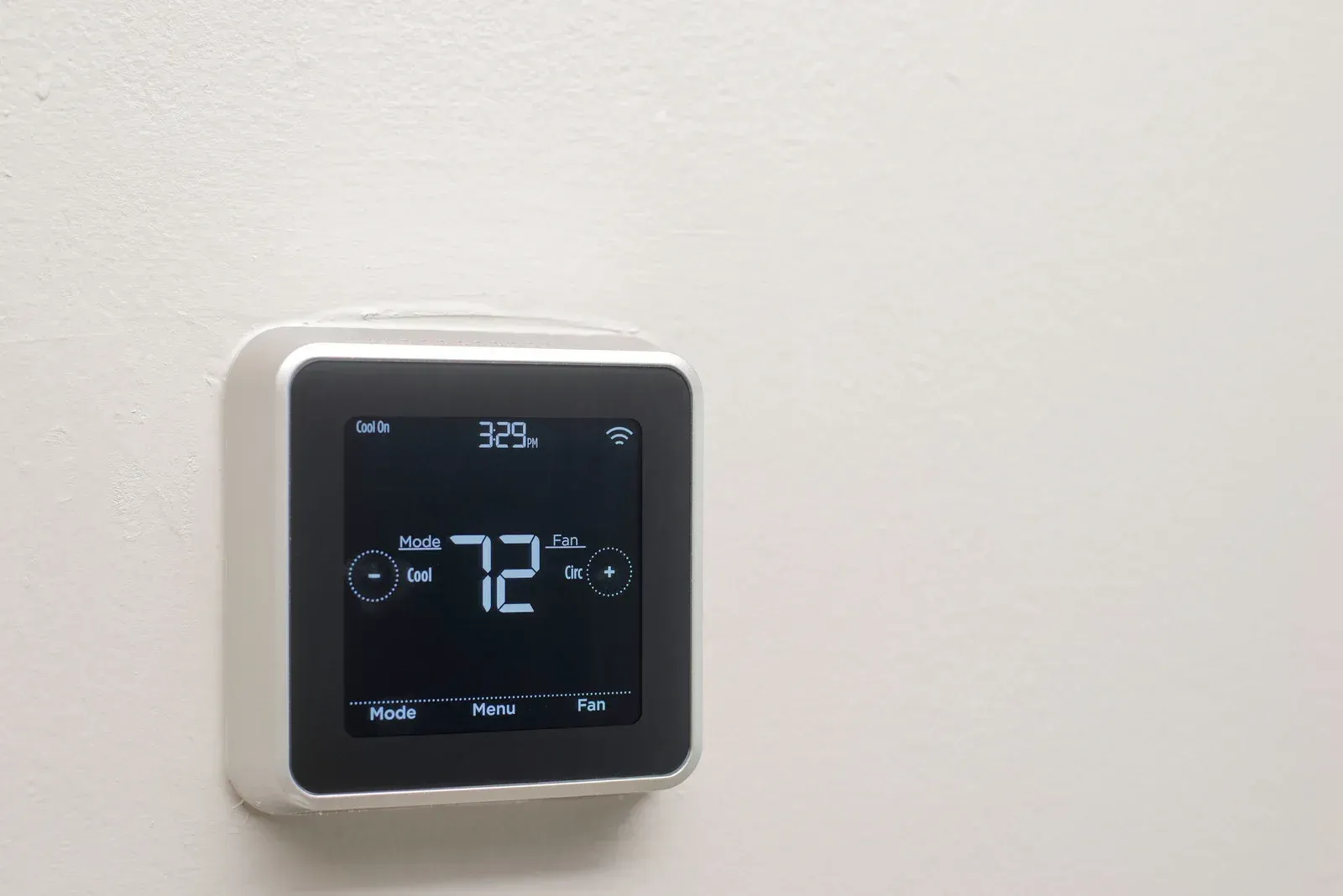
Wiring, staging, and settings decide whether a heat pump uses cheap compressor heat or expensive resistance strips. We verify configuration and explain what auxiliary and emergency heat actually do so nobody runs the costly option all winter.
Common Questions
FREQUENTLY ASKED QUESTIONS.
What homeowners ask us when a system starts behaving strangely, answered plainly. Describe your own symptoms through the contact page and we will tell you what it usually means.
How often should I change my air filter?
Check monthly and replace standard 1-inch pleated filters every 1 to 3 months. Pets, allergies, and heavy spring pollen push toward the shorter end. Thicker media filters typically last 6 to 12 months.
What MERV rating is best for a home HVAC system?
Something in the 8 to 11 range suits most residential equipment, balancing filtration against airflow. Higher ratings restrict air noticeably in systems not designed for them, which creates the very problems people install them to avoid.
What is auxiliary heat, and why is it showing on my thermostat?
Auxiliary heat is electric resistance backup that engages automatically when the heat pump alone cannot keep up, typically below the mid-30s. Seeing it on a cold morning is normal, though it costs more to run.
When should I use emergency heat on a heat pump?
Only when the outdoor unit has genuinely failed. Emergency heat bypasses the heat pump entirely and runs expensive strip heat alone, so leaving it selected through winter produces a memorable power bill.
Why is my outdoor unit steaming or covered in ice in winter?
That is the defrost cycle working. The system briefly reverses to melt frost off the outdoor coil, which produces steam and a short blast of cool air indoors. Ice that never clears is a real problem.
Why is my AC running but not cooling the house?
Common causes include a dirty filter restricting airflow, a fouled outdoor coil, low refrigerant from a leak, or a failing capacitor. 3 In 1 Lawn and Home Care diagnoses these across Burlington, NC.
Why is my AC unit freezing up in the summer?
Ice on a coil in July almost always means restricted airflow or low refrigerant. Shut the system off, let it thaw completely, replace the filter, and if it refreezes the cause needs professional diagnosis.
Does closing vents in unused rooms help or hurt my system?
It hurts. Closing vents raises static pressure across the system, which reduces total airflow, stresses the blower, and can freeze coils. 3 In 1 Lawn and Home Care recommends balancing airflow across Burlington, NC homes instead.
HOW WE WORK
FROM FIRST SYMPTOM TO STEADY COMFORT, HERE IS HOW.
STEP 01
WE ASK WHAT IT IS DOING
Symptoms narrow the field fast. Whether it runs constantly, cools some rooms only, trips a breaker, or smells musty on startup each points toward a different cause before anyone opens a panel.
STEP 02
WE CHECK THE SIMPLE THINGS
Filter, drain line, thermostat settings, breaker, and outdoor coil come first every time. A surprising share of service calls end here, and finding it early costs you far less than the alternative.
STEP 03
WE MEASURE THE SYSTEM
Temperature split, refrigerant pressures, airflow, and electrical readings turn guesswork into evidence. Numbers show whether the equipment is genuinely underperforming or simply asked to work against a restriction somewhere else.
STEP 04
WE EXPLAIN WHAT WE FOUND
You get the actual cause in plain language, what fixing it involves, and whether it needs doing now or can reasonably wait. No parts are recommended without a reason you can follow.
STEP 05
WE MAKE THE REPAIR
Work gets done properly and then tested under real operating conditions rather than declared finished the moment the unit starts running. We confirm the original symptom is genuinely gone before anything gets packed up.
STEP 06
WE SET UP THE SEASON AHEAD
Before leaving we cover filter intervals, thermostat settings worth changing, and the warning signs worth watching for. Most callbacks we hear about elsewhere were preventable with a short conversation nobody bothered to have.
Get Your Free Estimate
TELL US EXACTLY WHAT THE SYSTEM IS DOING.
Running constantly, cooling downstairs but not up, tripping the breaker, making a sound it never used to make, or showing auxiliary heat on a mild day. Describe the behavior and we will tell you the likely causes and what diagnosis involves before anyone comes out. If the fix turns out to be a filter and a drain line, that is what you will pay for. Reach us through the contact page to book a visit.
WHAT YOUR HVAC VISIT COVERS:
- Symptoms reviewed before any panel comes off
- Filter, drainage, and airflow checked first
- Refrigerant, electrical, and temperature readings taken
- Findings explained with the reasoning attached
- Repairs quoted before work begins
- Seasonal guidance for the months ahead