
LAWN CARE
LAWN CARE IN BURLINGTON, NC
Grass that thins a little more every August is telling you something, and it is rarely about the mower. Compacted clay, a missed feeding window, or a fungus that arrived on one humid night all show up as bare ground by June. Lawn care from 3 In 1 Lawn and Home Care goes after those causes rather than the symptoms, with aeration, seeding, feeding, and weed control timed for properties throughout Burlington, NC and the surrounding Alamance County communities.
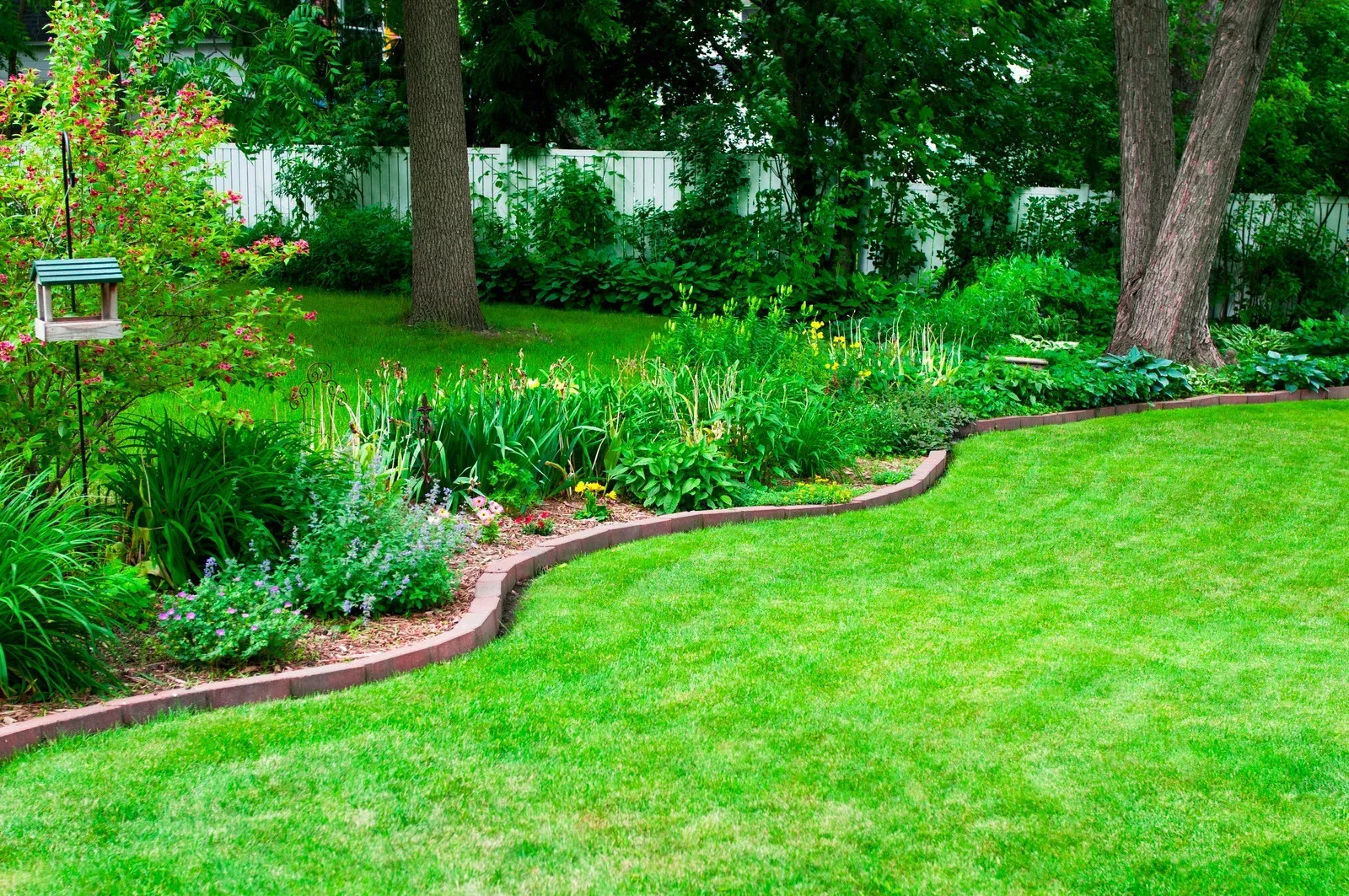
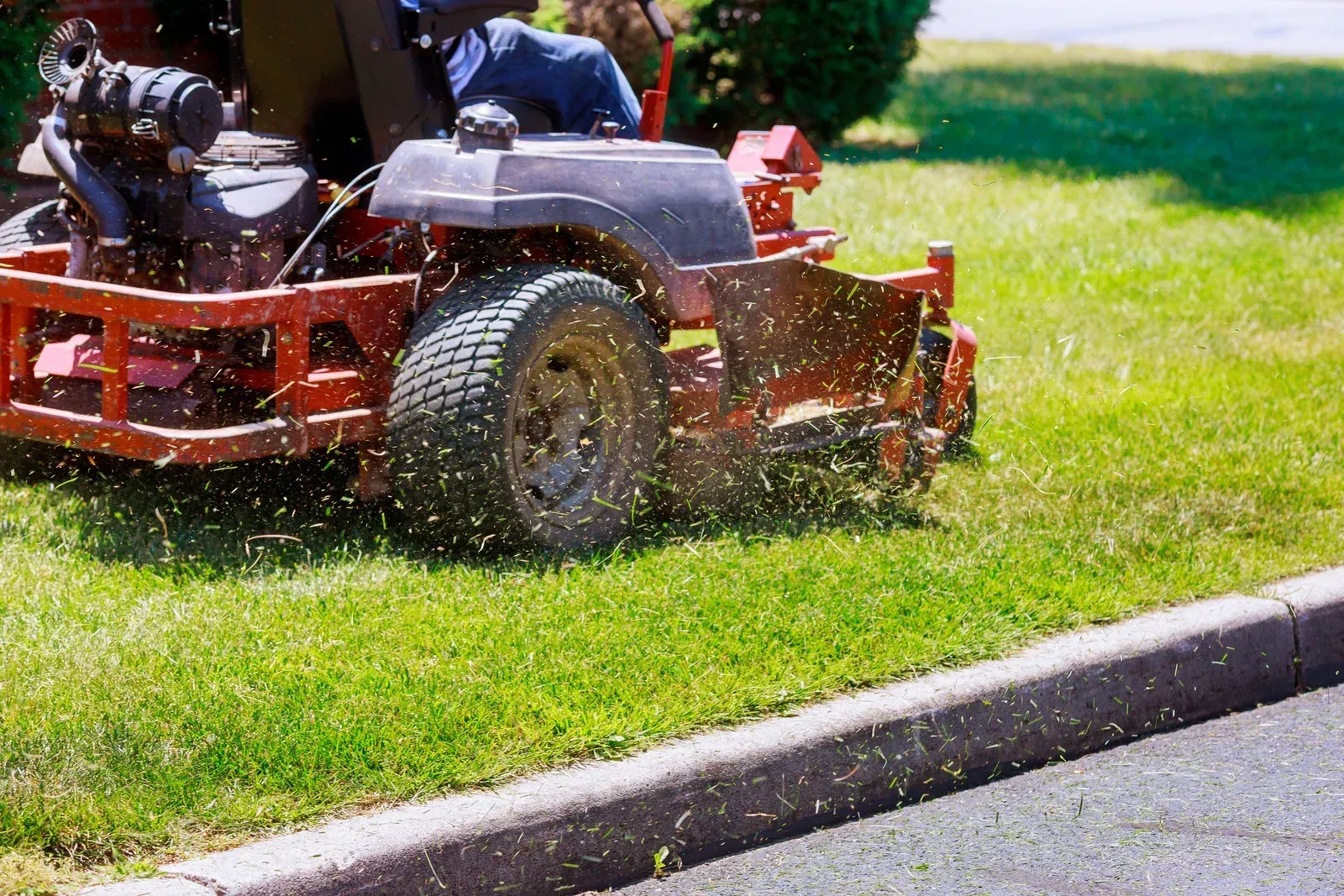
GRASS DOES NOT GROW ON A SCHEDULE THAT SUITS US.
Every treatment on a lawn has a window, and most of them are narrower than people expect. Pre-emergent goes down before soil holds 55 degrees. Overseeding waits for September. Curative grub control lands in late summer. Miss those windows and the product still gets applied, still gets billed, and still does very little for the lawn.
We plan backward from those windows instead of selling whatever the truck is carrying that week. That is the difference between a lawn that improves each year and one that simply gets sprayed.
- Grass type identified before any program starts
- Treatments timed to soil temperature, not the calendar alone
- Soil testing guidance through the county extension office
- Honest answers when a lawn needs renovation instead of another application
LAWN CARE
THICK TURF IS THE CHEAPEST WEED CONTROL YOU WILL EVER BUY.
A dense stand of grass crowds out crabgrass and nutsedge before they germinate, holds moisture through August, and hides the clay underneath. Getting there takes core aeration to open compacted ground, enough seed to fill the gaps fescue leaves behind, and nitrogen delivered mostly in fall rather than spring. We build that density first, then keep it, because a thick lawn needs far less chemical help than a thin one ever will.
PIEDMONT LAWNS FIGHT A BATTLE ON TWO FRONTS.
Burlington sits in the turfgrass transition zone, which means the climate is slightly wrong for everything. Cool-season fescue struggles through 95-degree afternoons, while bermuda and zoysia go dormant and straw-colored for months. Both choices are workable, but they need opposite treatment plans. We identify which grass you actually have, then manage it on its own terms rather than applying one generic program to every yard on the route.
EVERY LAWN GETS WALKED BEFORE IT GETS QUOTED.
We have spent 2 years learning Alamance County soil, and the biggest lesson has been that no two yards on the same street behave alike. One drains, the next holds water at the fence line. One gets 6 hours of sun, the neighbor gets 3. So we walk the property, check the thatch, look at the shade pattern, and price the work we can see. Would you rather have a program that fits your lawn or one that fits a brochure?
WHAT A PROPERLY MANAGED LAWN GIVES BACK
FEWER WEEDS WITHOUT CONSTANT SPRAYING
Dense turf blocks the light weed seeds need to germinate, which quietly removes most of the problem. You spend less on herbicide, see fewer bare patches after treatments, and stop watching crabgrass return to the same spot every June.
GRASS THAT SURVIVES AUGUST
A lawn with deep roots and correct feeding rides out summer heat instead of collapsing in mid-July. Recovery in September comes faster too, so you are not reseeding the entire front yard every single autumn just to have turf.
SOIL THAT ACTUALLY DRAINS
Core aeration pulls plugs from compacted clay and lets water, air, and nutrients reach the root zone. Puddles shrink, runoff slows, and the fertilizer you paid for stays in the ground rather than washing toward the street after a storm.
DISEASE YOU CAN PREDICT
Knowing when brown patch and gray leaf spot arrive means adjusting watering and nitrogen before the damage appears. Problems get smaller and shorter, and the lawn stops looking like it is under attack every humid stretch of summer.
A YARD THAT LIFTS THE WHOLE STREET
Green, even turf frames everything else on the property, from the beds to the driveway to the paint. It is the first thing visitors register and the easiest single upgrade to a home's presence from the curb.
LESS GUESSWORK FOR YOU
No more reading fertilizer bags in the store aisle or wondering whether it is too late to seed. Someone tracks the timing, watches the weather, and tells you what happens next before the window closes on it.
WHAT WE TREAT
OUR LAWN CARE WORK
These are the treatments and renovations we run through the year. Most properties need a few of them rather than all, and we will tell you plainly which ones your lawn can skip.
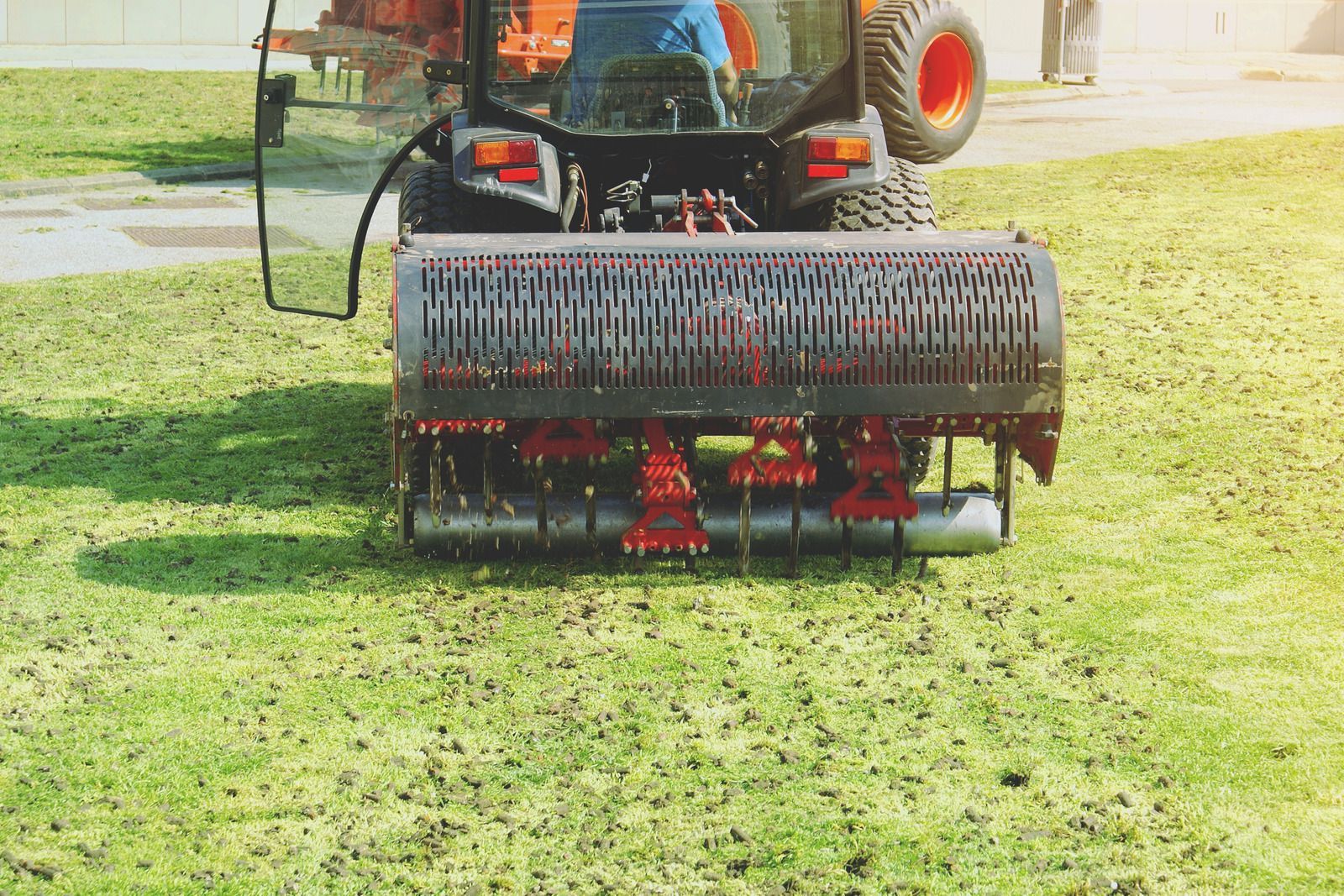
CORE AERATION
AERATION
Compacted Piedmont clay chokes roots and sheds water. Pulling soil cores opens channels for air, moisture, and nutrients, relieves thatch buildup, and creates protected pockets that hold seed in place. Fall timing gives the strongest recovery for cool-season turf across the region.
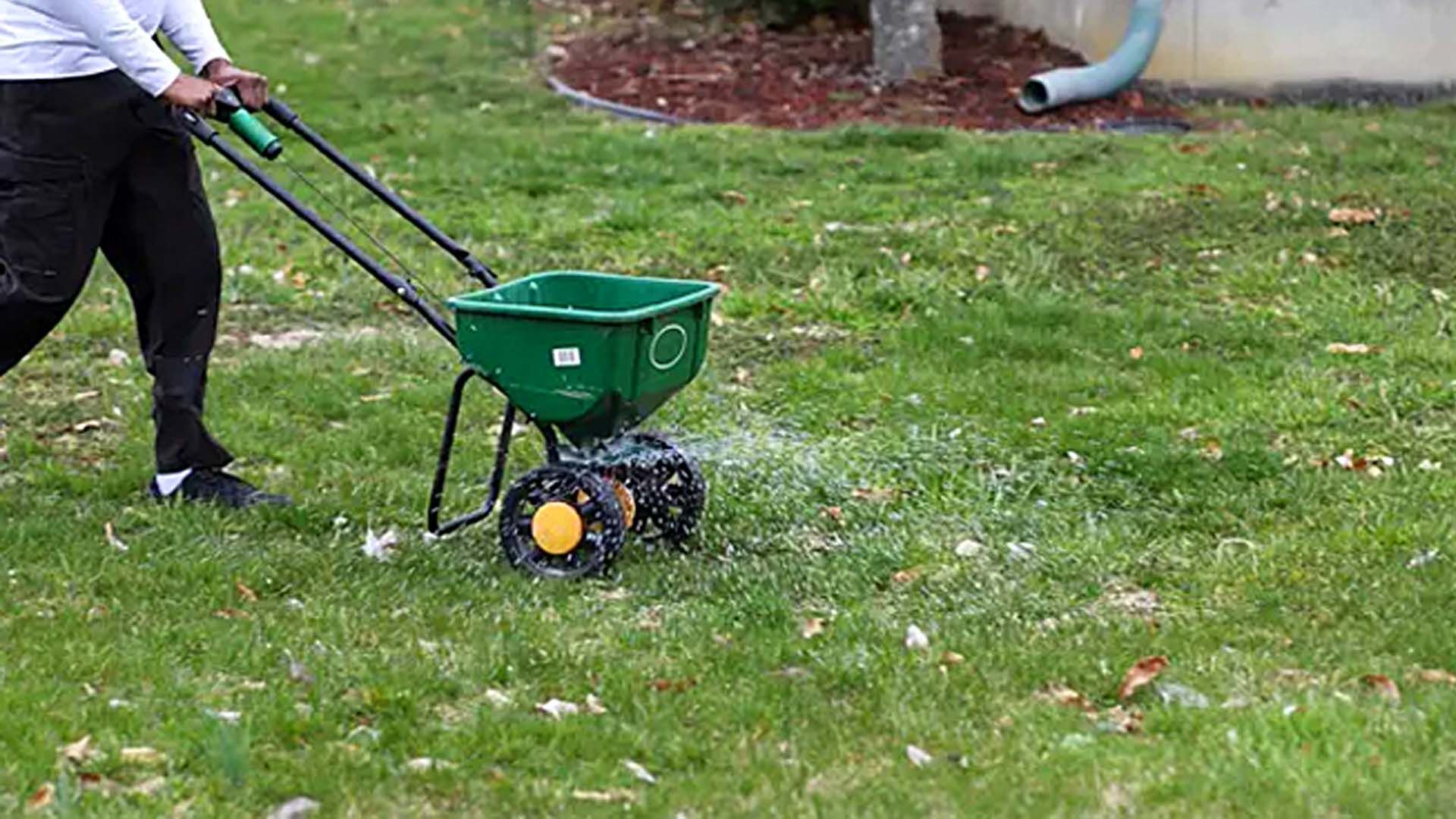
FALL SEEDING
OVERSEEDING
Fescue grows in clumps and cannot repair itself, so it thins a little every summer. Broadcasting fresh certified seed into aeration holes each September rebuilds density before winter, closing the gaps that crabgrass and nutsedge would otherwise claim next spring.
SEASON FEEDING
FERTILIZATION
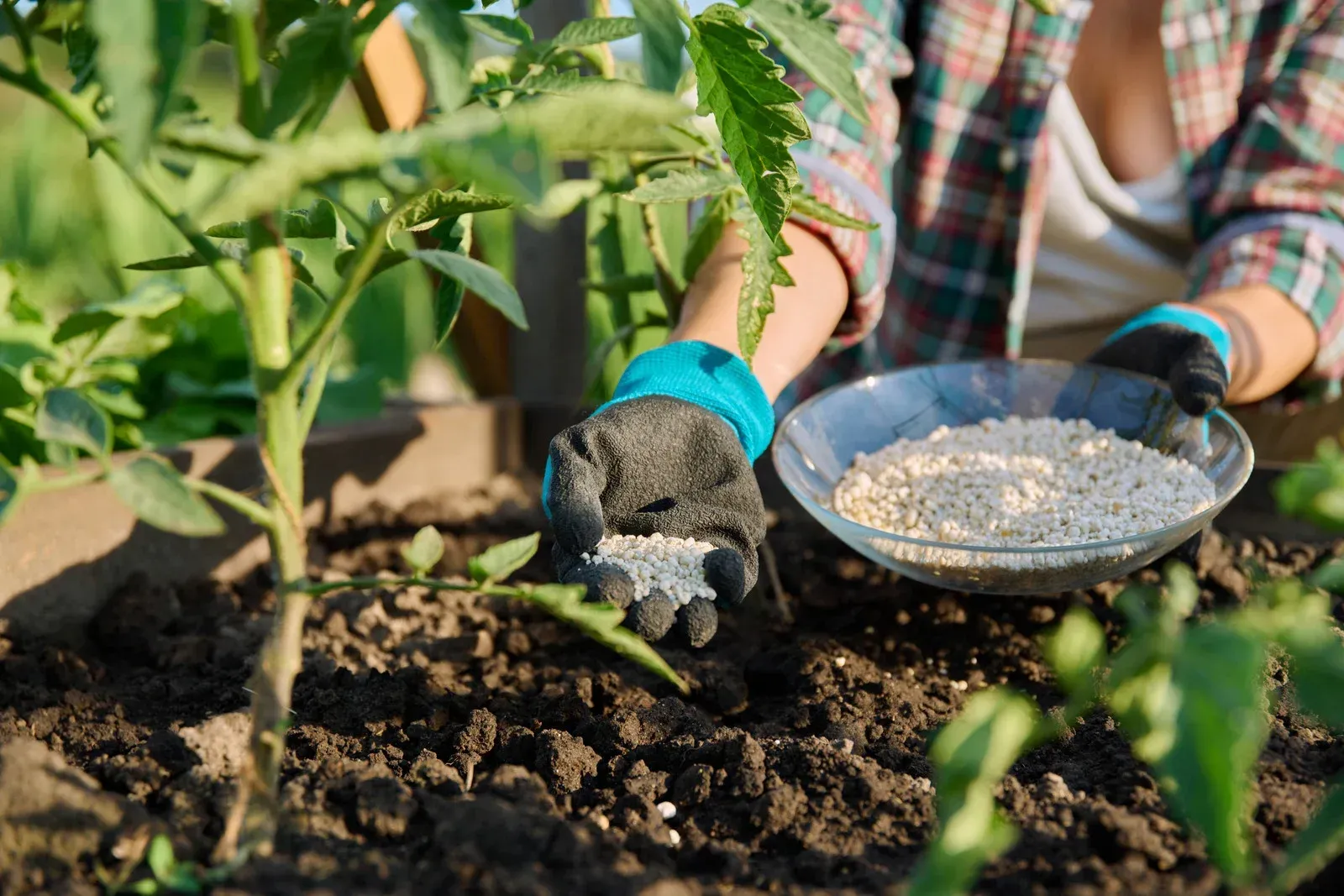
Nutrition works best split across the year, with the heaviest nitrogen in fall and a lighter round in late winter. Heavy spring feeding pushes soft growth that summer disease loves, so we hold back when the calendar tempts otherwise and protect root strength.
WEED CONTROL
PRE-EMERGENT AND BROADLEAF TREATMENTS
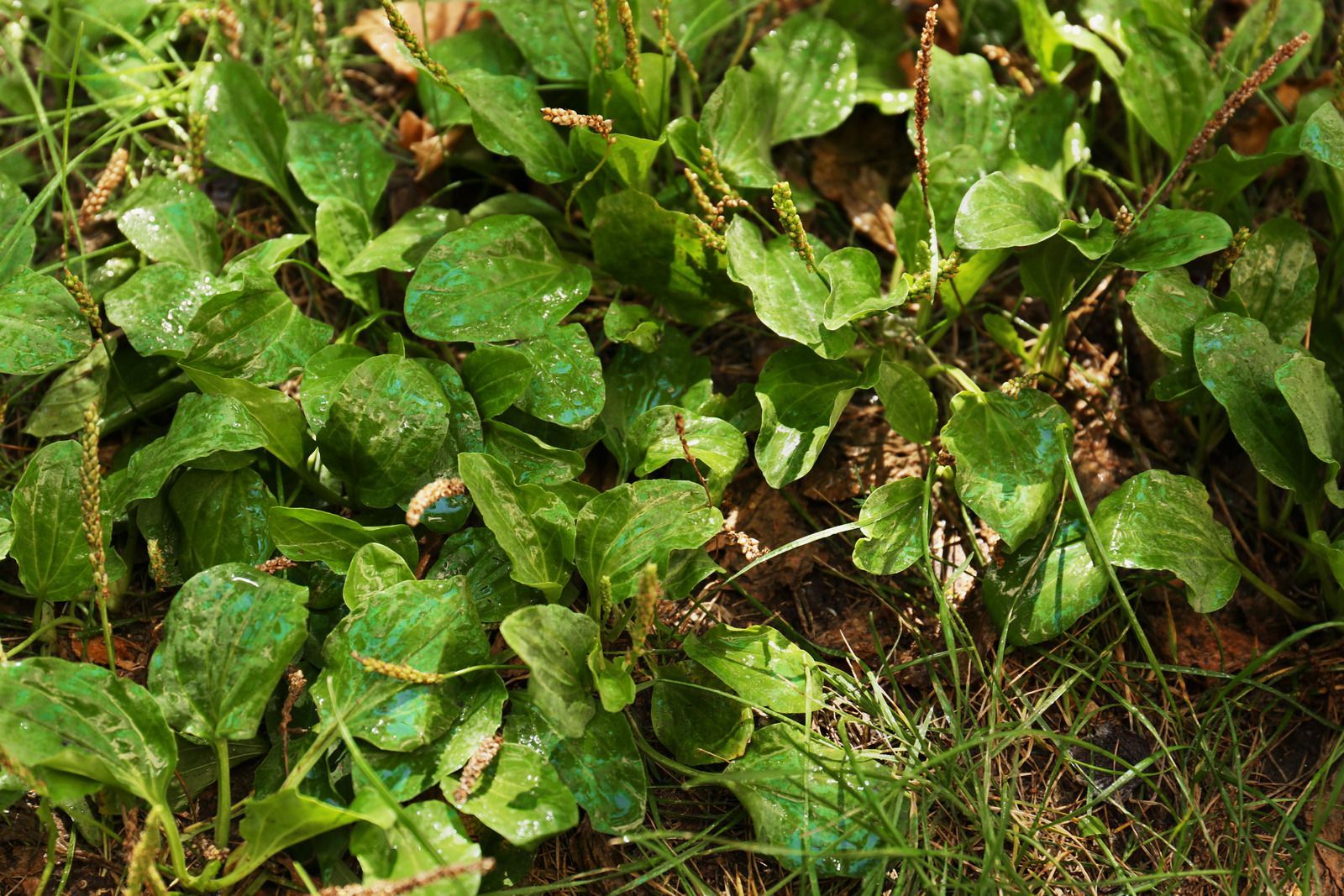
Crabgrass gets stopped before germination, when soil warms toward 55 degrees in late winter. A second barrier in early September blocks poa annua, and targeted broadleaf work in October handles chickweed and henbit while they are still young and small.
PEST AND DISEASE
GRUB AND FUNGUS MANAGEMENT
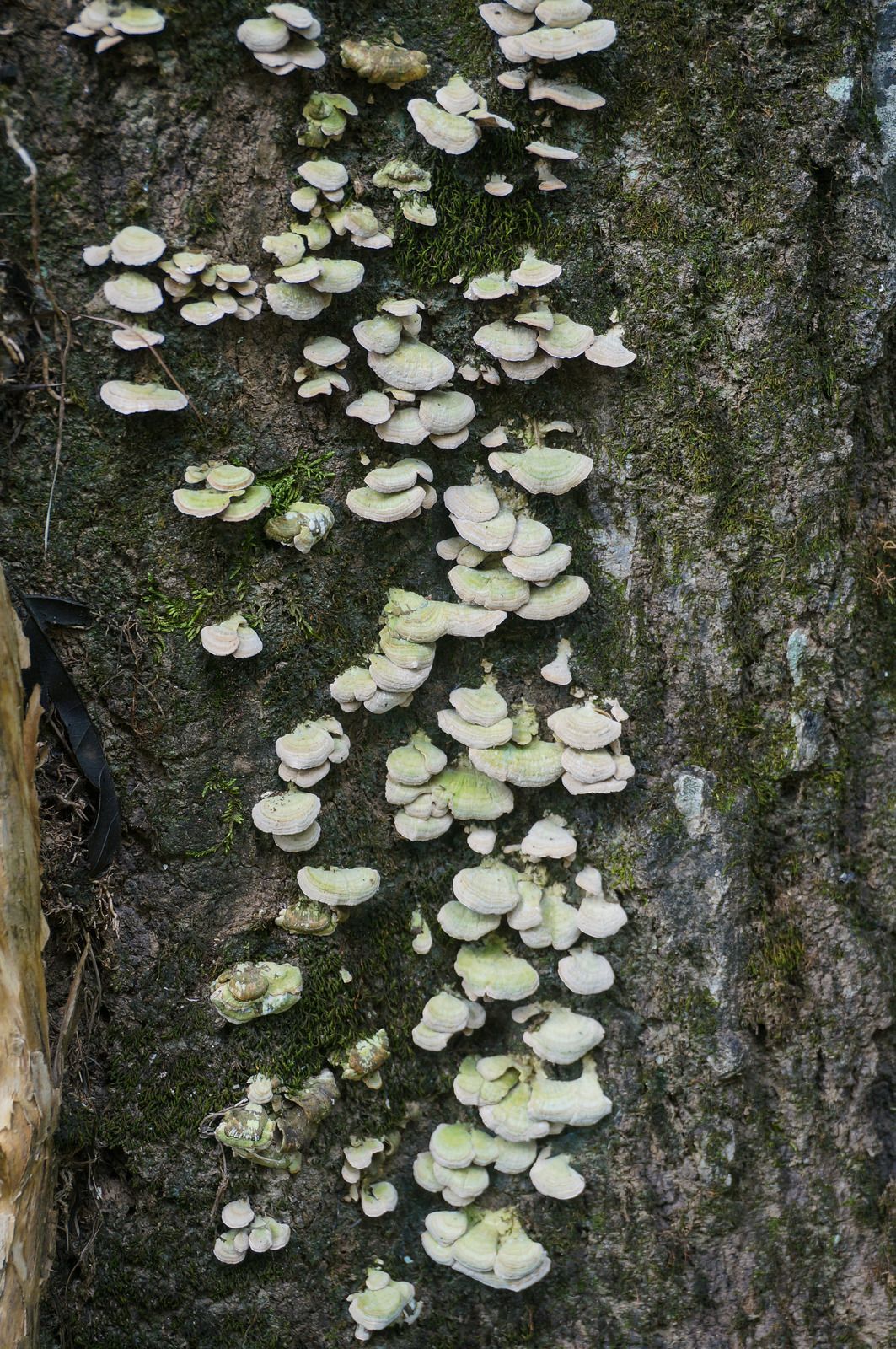
Turf that lifts like loose carpet has lost its roots to grubs, while brown patch stays firmly anchored. Telling those apart decides everything about treatment, so we diagnose first, then apply curative or preventive products in the window where they actually work.

SOIL HEALTH
LIME AND SOIL CORRECTION
Grass cannot use fertilizer properly when pH drifts below the low sixes, which happens steadily in acidic Piedmont clay. Testing shows what the ground needs, then lime and amendments bring chemistry back so every other treatment on the lawn performs as intended.
Common Questions
FREQUENTLY ASKED QUESTIONS.
Real questions homeowners ask us while we are standing in the yard, answered without the sales layer. Anything specific to your property is worth asking directly through the contact page.
Should I aerate before or after overseeding?
Aerate first, then seed. The plugs and open holes give seed direct contact with soil and a sheltered spot to germinate, which raises success rates considerably compared with broadcasting seed onto an untouched, compacted surface.
Why does my fescue lawn thin out a little more every summer?
Fescue grows in bunches and cannot spread sideways to fill gaps, so heat, disease, and traffic take a small toll that never gets repaired naturally. Annual fall overseeding is what replaces those losses.
When should pre-emergent be applied in NC to stop crabgrass?
Crabgrass germinates once soil holds around 55 degrees, typically late February into mid March in the Piedmont. The barrier goes down roughly a week ahead of that, before any green shoots appear in the lawn.
Why can I not apply pre-emergent and grass seed at the same time?
A standard pre-emergent blocks germination without distinguishing crabgrass from fescue, so it stops your new seed too. Where overseeding is planned, we either skip the barrier or use a seeding-safe active ingredient.
Should I seed a lawn in spring or fall in NC?
Fall, decisively. September seedlings get cool nights, warm soil, and months to root before summer arrives. Spring seedlings face heat and disease within weeks. 3 In 1 Lawn and Home Care schedules seeding across Burlington, NC from September.
Does my lawn need lime, and how do I know?
Only a soil test answers that honestly. Piedmont clay tends to run acidic, and grass struggles to take up nutrients below about pH 6.0, but guessing at lime rates wastes money and can overshoot the target.
What are the signs of grubs or armyworms in a NC lawn?
Turf that peels back like carpet, spongy footing, and increased digging by birds or skunks point to grubs. Armyworms strip blades fast in late summer, leaving ragged patches that spread across a lawn within days.
How can I tell brown patch from drought stress?
Brown patch forms rounded tan patches with dark-bordered lesions on individual blades, often after humid nights. Drought browns the whole lawn evenly and follows footprints. 3 In 1 Lawn and Home Care diagnoses both throughout Burlington, NC.
HOW WE WORK
FROM FIRST WALK TO THICK TURF, HERE IS HOW.
STEP 01
WE WALK IT
Before quoting anything we cross the whole lawn, check thatch depth, look at shade and slope, and identify the grass. Half the problems we find were never visible from the driveway where most estimates get written.
STEP 02
WE TEST THE GROUND
Soil chemistry decides what every later treatment can achieve. We arrange testing through the county extension office, then read the results with you so lime, nitrogen, and amendment decisions rest on numbers rather than guesswork.
STEP 03
WE BUILD THE CALENDAR
Each treatment gets placed in its correct window across 12 months, from late winter pre-emergent through September aeration. You see the full year at once, including what we intend to skip and exactly why we would skip it.
STEP 04
WE OPEN THE SOIL
Core aeration comes first in any renovation, because seed, fertilizer, and water all perform better once compacted clay has channels. Plugs stay on the surface to break down naturally and return organic matter to the root zone.
STEP 05
WE SEED AND FEED
Certified seed goes into fresh holes at proper rates, followed by starter nutrition. We explain the watering schedule the first 3 weeks demand, because germination succeeds or fails on moisture in the top inch of soil.
STEP 06
WE WATCH IT THROUGH
Lawns change fast in the Piedmont, so we keep checking after the work is done. Disease pressure, weed breakthrough, and thin spots get flagged early, while adjustments are still small and inexpensive to make.
GET YOUR ESTIMATE
TELL US WHAT THE LAWN IS DOING WRONG.
Bare strip along the driveway, moss in the shade, weeds winning by June, or grass that browns out every July before anyone touches it. Describe what you see and we will tell you what is causing it, what the realistic timeline for fixing it looks like, and what it will take across a full season. No pressure, no packages you do not need. Reach us through the contact page and we will get on the schedule.
WHAT YOUR LAWN ASSESSMENT COVERS:
- Grass type and current condition identified on site
- Thatch, compaction, drainage, and shade evaluated
- Soil testing guidance and what the numbers mean
- A 12-month treatment calendar with timing explained
- Clear separation of what to fix now and what can wait
- A written scope you approve before we start