LEAF REMOVAL
LEAF REMOVAL in Burlington, NC
Fall here does not finish in one convenient weekend. Maples drop early, poplars follow, oaks hold on into January, and every rain presses last month's leaves into a dense mat against the grass. Leaf removal from 3 In 1 Lawn and Home Care runs on the schedule your own trees actually keep, clearing lawns, beds, fence lines, and hard surfaces across Burlington, NC and the surrounding Alamance County neighborhoods, with several scheduled passes spread right across the whole season.
LEAVES DO NOT FALL AT ONCE, SO WE DO NOT COME ONCE.
The single December cleanup is the most common mistake homeowners make here. By then the earliest leaves have been sitting for 2 months, holding moisture against the crowns of the grass, blocking every bit of light, and creating exactly the damp still conditions turf disease needs to establish itself.
Several lighter passes cost about the same across the season and protect the lawn the entire time. The yard also never reaches that overwhelming stage where nobody wants to look at it.
- Multiple passes timed to the actual drop
- Beds, fence lines, and corners cleared, not just open lawn
- Extra care around newly seeded fescue
- Debris hauled off or mulched, your choice
LEAF REMOVAL
A WET LEAF MAT IS HEAVIER THAN IT LOOKS.
Dry leaves scatter harmlessly. 2 days of rain turns the same pile into a dense, airless layer sealed against the soil, and grass underneath begins dying within a week or two. Around here that timing is especially cruel, because September and October overseeding puts young fescue seedlings on the ground exactly when the heaviest drop begins. Those seedlings have no reserves to spend surviving in the dark. Clearing on time is the difference between a lawn that establishes and one you pay to seed twice.
OAK COUNTRY MAKES FALL A LONG SEASON HERE.
Alamance County is full of oaks, and oak leaves are leathery, slow to break down, and stubbornly held on the branch. Some trees keep brown leaves through January and release them in batches all winter. Maples and poplars finish early, so a yard with both species has two distinct waves separated by weeks. Planning around that pattern means a property stays clear continuously rather than looking finished in November and buried again by Christmas.
EVERY FALL TEACHES US SOMETHING ABOUT OAK LEAVES.
2 years of clearing yards in this county has changed how we schedule. We used to plan by date and now we plan by tree, because a street lined with willow oaks behaves nothing like one full of maples, and a shaded back lot stays wet long after the front has dried. Timing beats effort here. Should the crew arrive when the calendar says so, or when your particular trees are actually finished dropping?
WHAT A CLEARED YARD PROTECTS
GRASS THAT SURVIVES WINTER
Turf needs light and airflow even in dormancy, and a matted leaf layer removes both. Clearing on schedule means spring arrives with a lawn that greens up evenly instead of showing dead patches shaped like leaf piles.
YOUR FALL SEEDING INVESTMENT
New fescue seedlings are fragile and cannot push through a wet blanket of oak leaves. Protecting that establishment window is the single best way to make aeration and overseeding money actually produce a thicker lawn.
FEWER DISEASE PROBLEMS
Damp, dark, still conditions under a leaf mat are what fungal pathogens need to establish. Removing that habitat before winter reduces the disease pressure your lawn will face when temperatures warm again.
CLEAR DRAINS AND WALKWAYS
Leaves collect in low spots, along fences, and over drains, sending water places you do not want it. Clearing them keeps runoff moving and keeps paths and steps from turning slick underfoot.
BEDS THAT STAY HEALTHY
A light layer in a bed insulates, but a thick wet pile rots crowns and hides pests through winter. Balanced clearing gives perennials and shrubs the protection they want without the smothering they do not.
A YARD YOU CAN ENJOY AGAIN
Fall is the best weather of the year in this part of NC. Spending those weekends behind a rake instead of outside with family is a poor trade nobody actually has to make.
Insert Title
Insert Title
WHAT WE CLEAR
OUR LEAF REMOVAL WORK
Fall cleanup covers more ground than most people expect, and the corners of a property matter as much as the open lawn does. Here is what each scheduled visit includes.
OPEN LAWN
LAWN LEAF REMOVAL
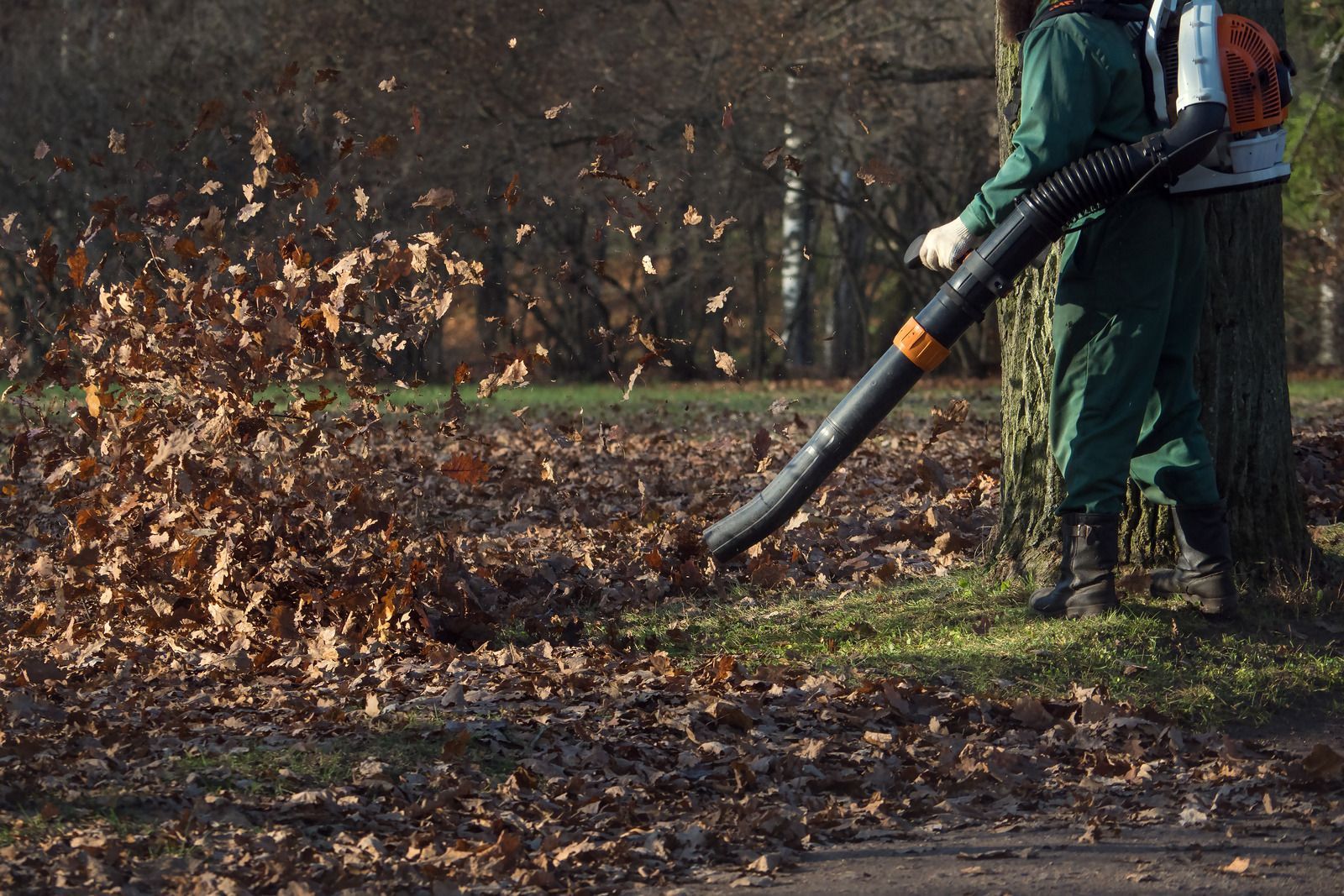
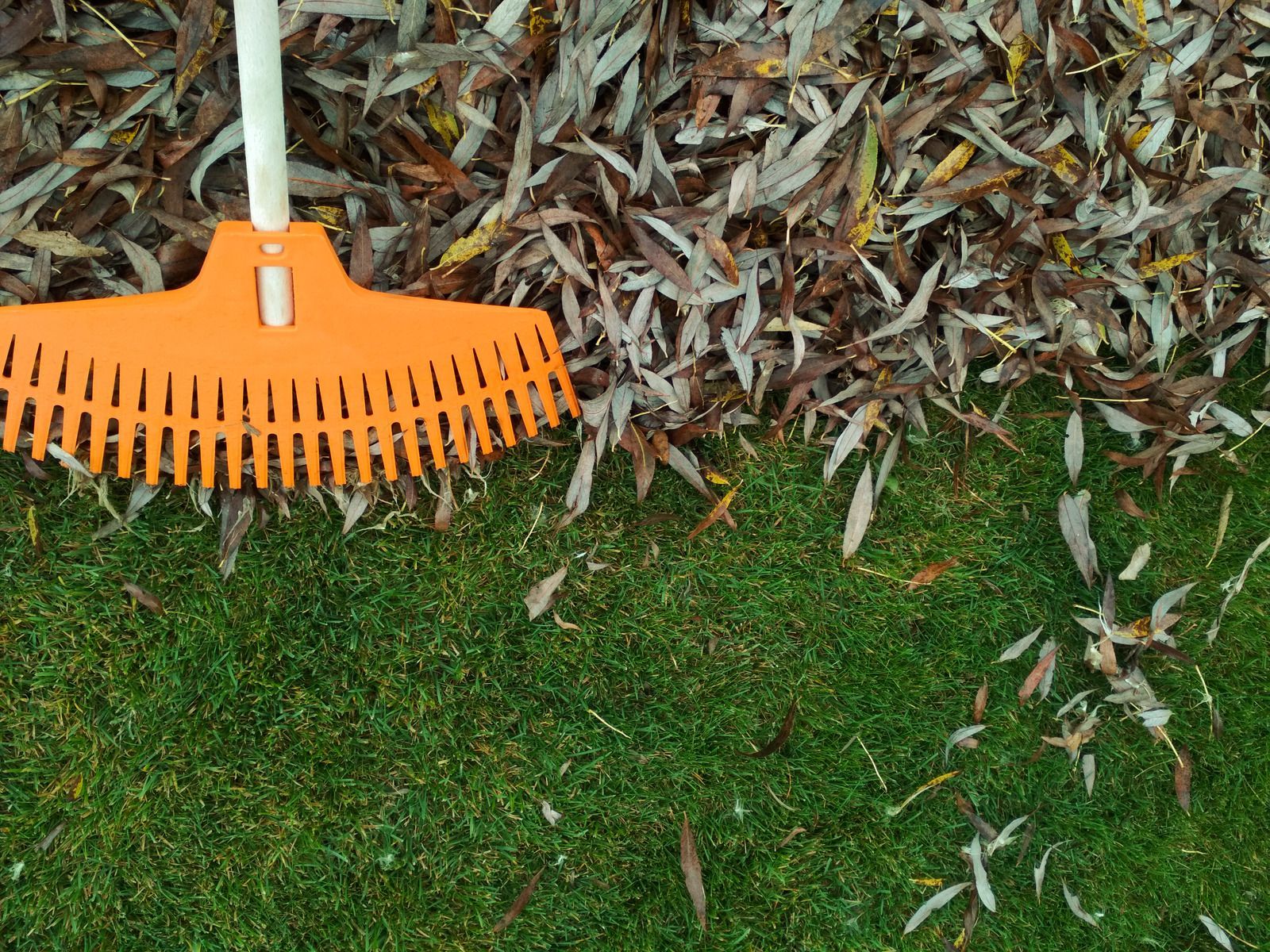
The main turf areas get cleared completely so light and air reach the grass. Depending on volume we blow and collect or mulch in place, and we never leave windrows piled along the edges to blow back overnight.
BED CLEARING
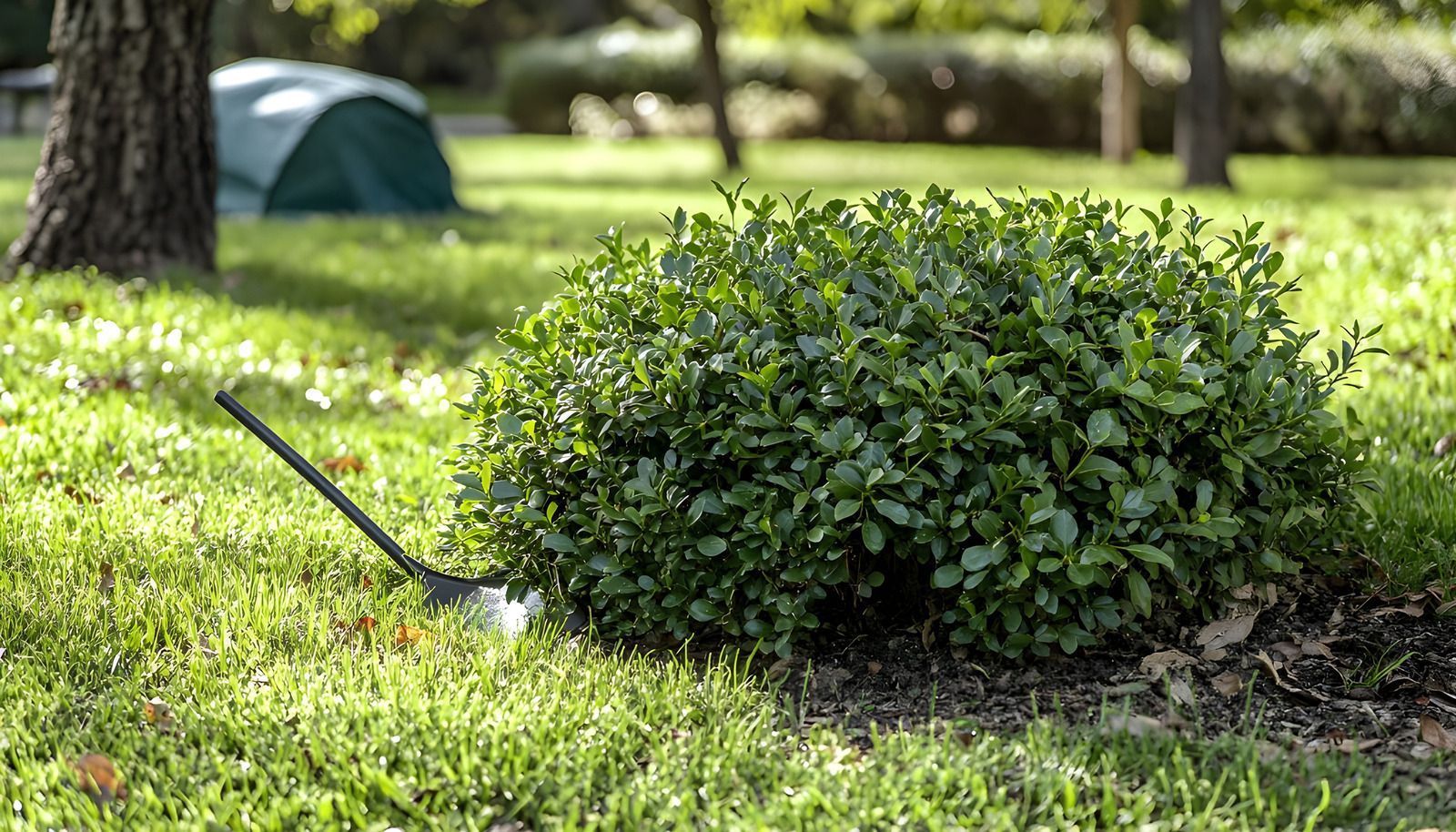
BED AND SHRUB CLEANUP
Leaves pack tightly around shrub bases and inside beds where blowers alone cannot reach. Hand clearing gets them out without stripping mulch, and crowns of perennials come clear so rot does not set in over winter.
EDGE WORK
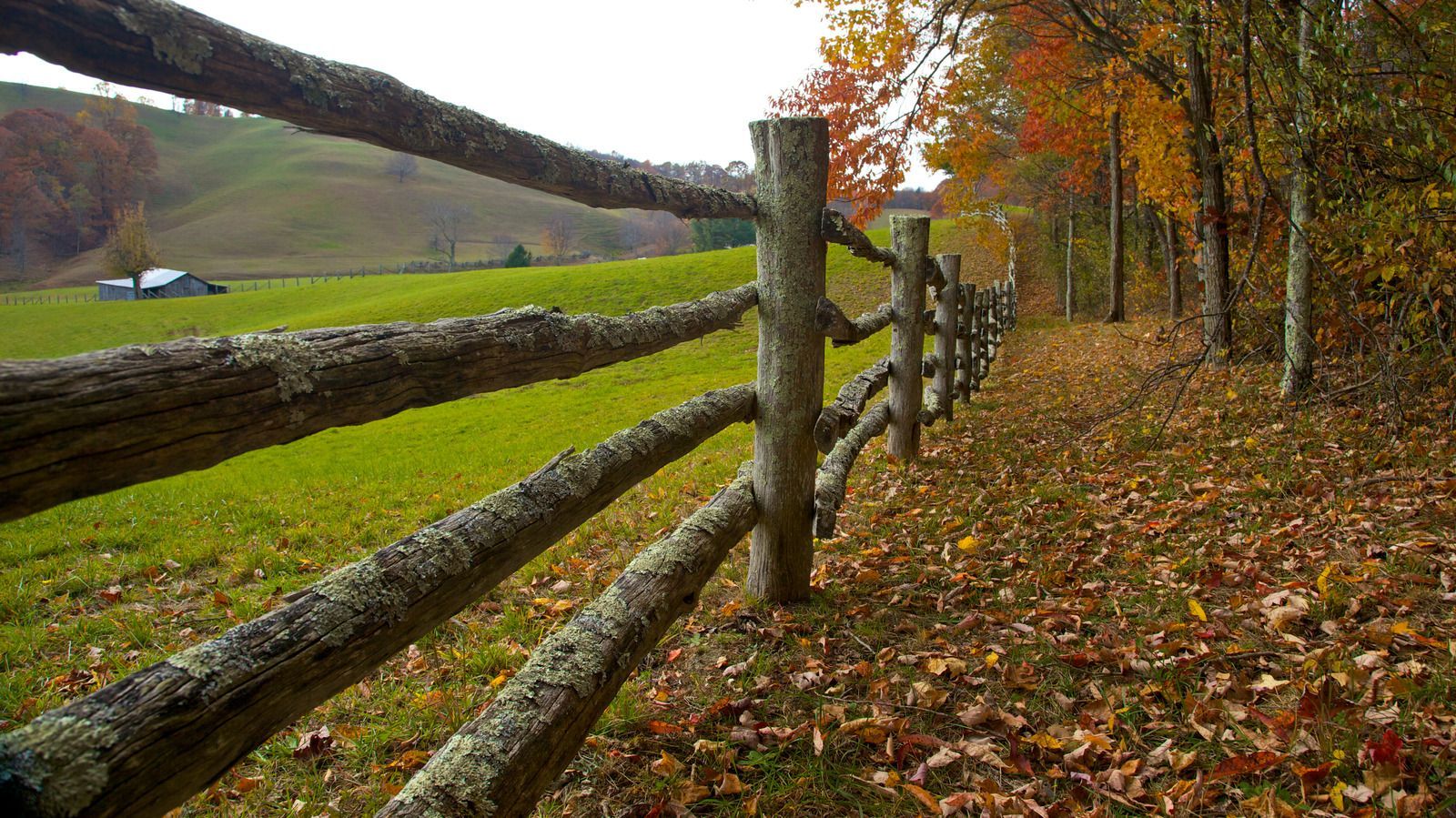
FENCE LINES AND CORNERS
Wind collects leaves against fences, foundations, and the corners of the property, which is exactly where they stay wettest longest. Those catch points get cleared every visit rather than being left for the final pass.
MULCHING
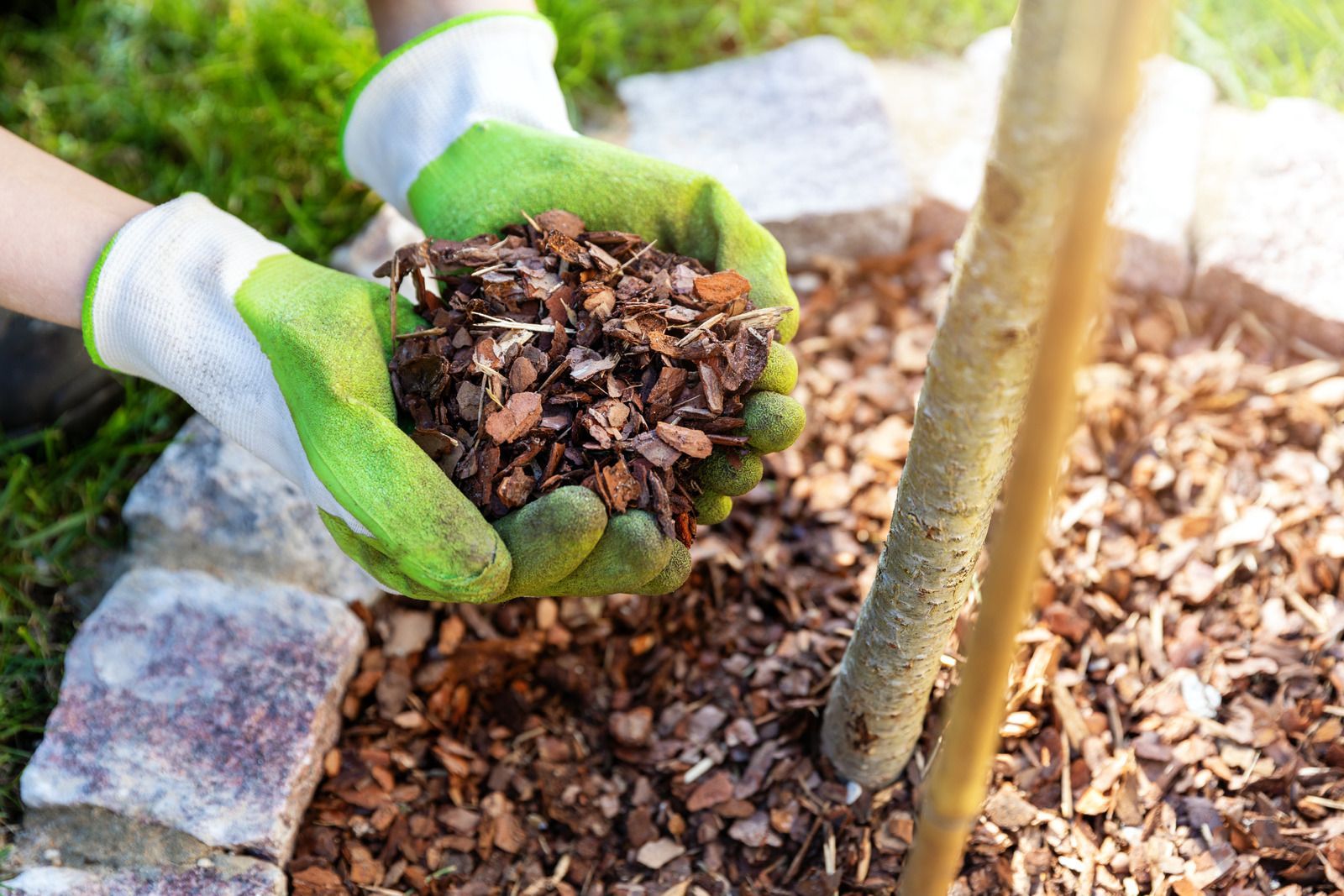
LEAF MULCHING
When the layer is light, mowing leaves back into the turf returns nutrients and organic matter to the soil. We judge depth honestly, because mulching too much simply relocates the smothering problem into the canopy.
PINE NEEDLES
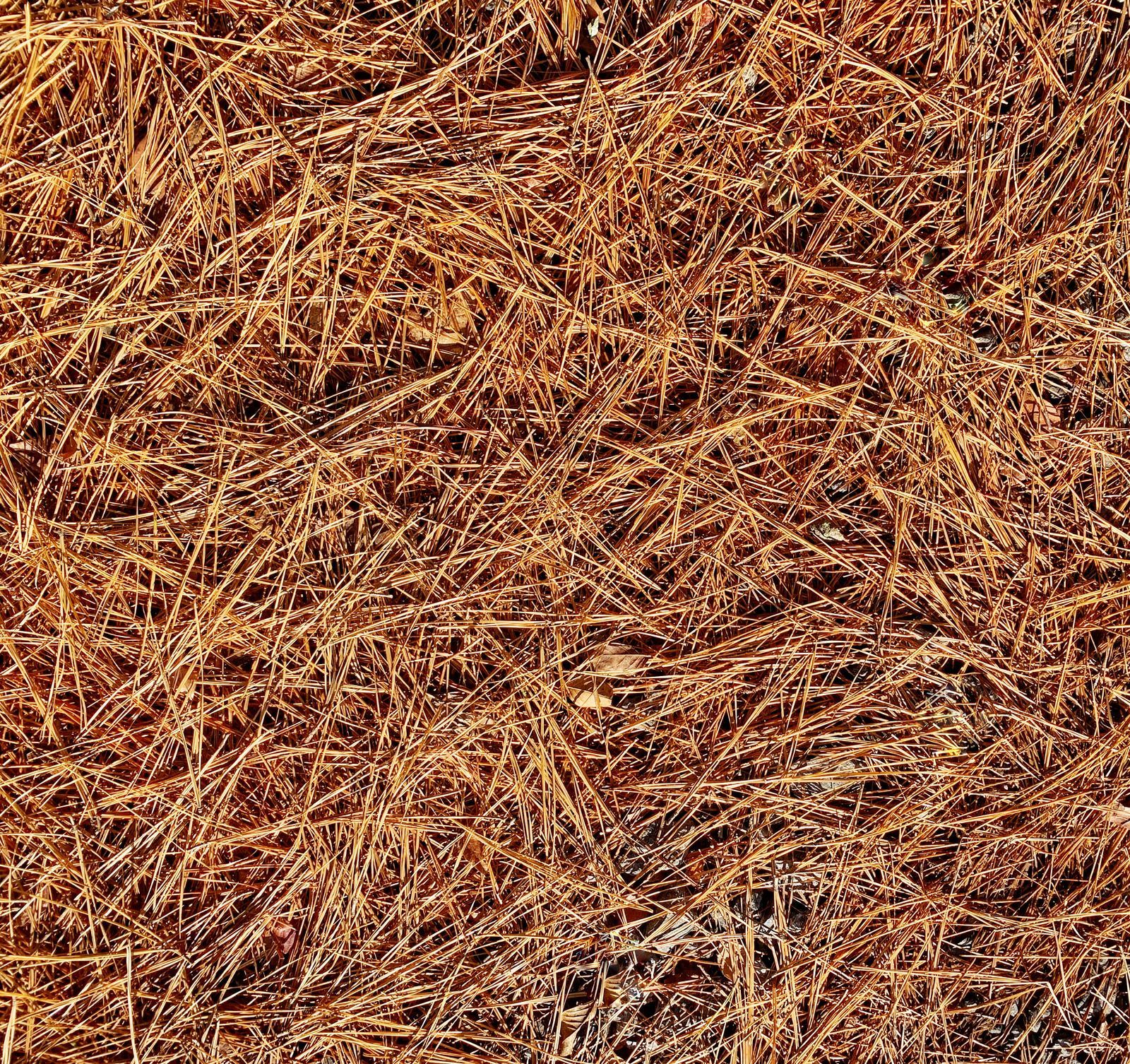
PINE STRAW REMOVAL
Needles behave differently, matting into a dense acidic layer that turf struggles under while beds often benefit. We pull them off lawns and hard surfaces and can redistribute clean straw into planting beds instead.
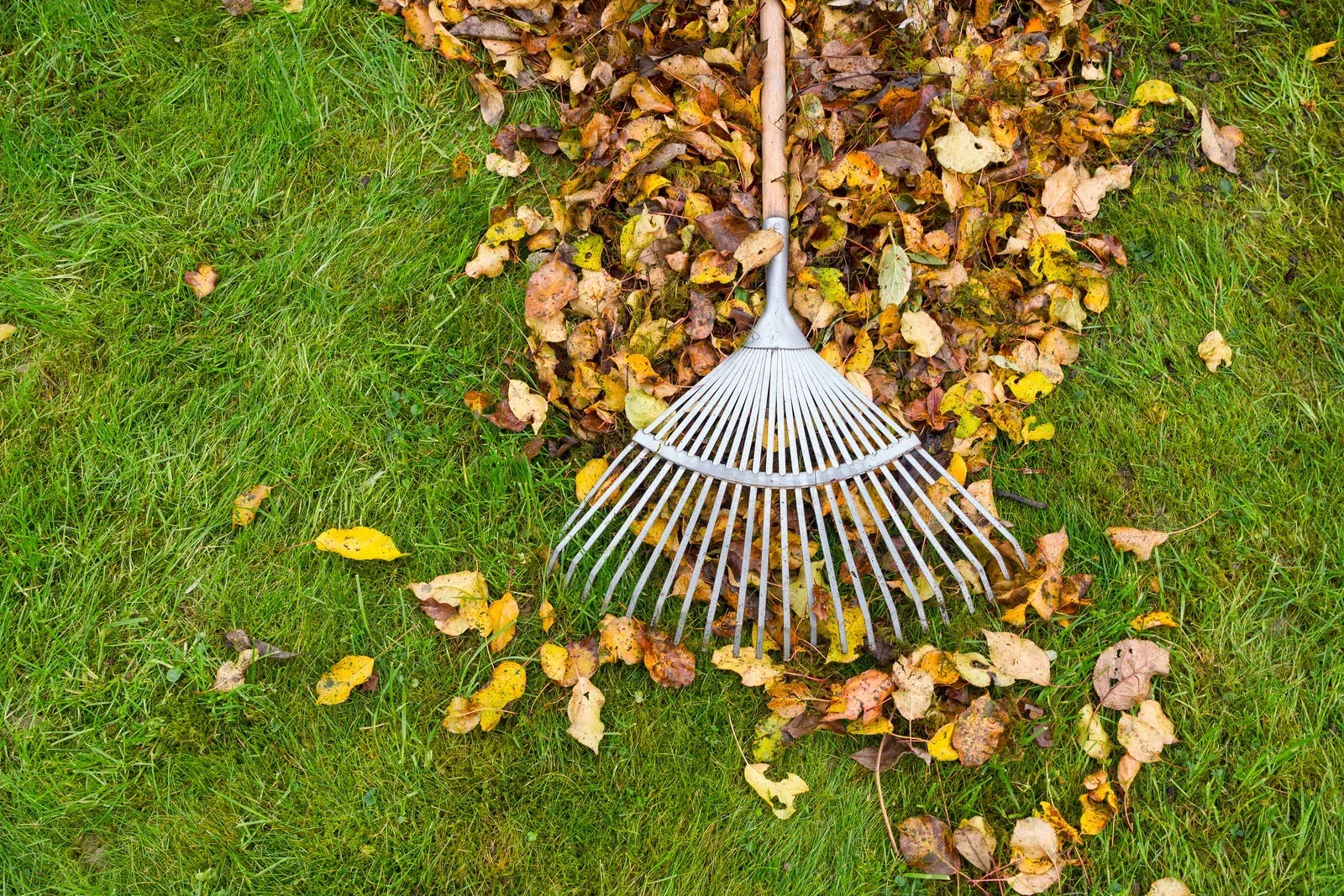
LAST PASS
FINAL FALL CLEANUP
The closing visit resets everything once the oaks finish: turf cleared, beds detailed, hard surfaces blown down, and perennials cut back. The property goes into winter looking deliberate rather than simply abandoned until March.
Common Questions
FREQUENTLY ASKED QUESTIONS.
The questions that come up every October, answered from experience on local properties. Anything specific to your trees or your schedule is worth asking through the contact page.
How many leaf cleanups does a yard need in one fall season?
Most properties here need three or four passes between mid-October and January, depending on species. Yards dominated by oaks need more visits spread later, since those trees release leaves in waves all winter.
Can you just mow over leaves instead of raking them?
Only while the layer is light. A mulching deck handles a few inches per pass and the shredded pieces feed the soil. Beyond that, whole leaves clump, mat down, and smother the turf underneath.
When should the last fall cleanup be done in NC?
Usually late December or into January, once the oaks have finally let go. 3 In 1 Lawn and Home Care schedules that final pass across Burlington, NC after the last heavy drop.
Why do wet, matted leaves kill patches of grass?
They seal out light and trap moisture directly against the crowns, which stops photosynthesis and creates ideal conditions for fungal disease. 2 or 3 weeks under a soaked mat is enough to lose turf.
Why do oak leaves take so long to break down?
Oak leaves are thick, leathery, and high in tannins and lignin, all of which resist decomposition. That durability is why they mat so effectively and why an oak heavy property needs more frequent clearing.
Do leaves need to be removed from a fescue lawn that was just seeded?
Yes, and promptly. Seedlings have no energy reserves and die quickly in the dark. 3 In 1 Lawn and Home Care times fall passes around overseeding schedules across Burlington, NC.
Should pine needles be removed, or can they be left as mulch?
Remove them from turf, where they mat and acidify. In beds they work well as mulch, holding slopes and breaking down slowly. We often relocate clean straw rather than hauling it away.
Is it okay to leave the leaves in wooded or natural areas of the yard?
Absolutely, and it helps. Leaf litter along wooded edges feeds soil life, builds organic matter, and shelters overwintering insects and pollinators. We clear the maintained lawn and beds while deliberately leaving those natural areas undisturbed.
HOW WE WORK
FROM FIRST DROP TO FINAL PASS, HERE IS HOW.
STEP 01
WE LOOK AT YOUR TREES
Species determine everything about fall scheduling. Maples and poplars finish early while willow oaks run into winter, so we count what is standing on the lot before proposing any visit pattern.
STEP 02
WE BUILD THE SCHEDULE
Passes get spaced to match that drop pattern instead of a generic calendar. You know roughly when each visit lands and how many to expect across the season before we begin any work.
STEP 03
WE CLEAR THE OPEN GROUND
Turf areas come first because that is where damage happens fastest. Leaves get blown into manageable rows and collected, never left piled along bed edges where wind returns them by morning.
STEP 04
WE GET INTO THE CORNERS
Fence lines, foundation edges, shrub bases, and the low spots where wind deposits everything all get cleared by hand where blowers cannot reach. These catch points hold moisture longest through winter.
STEP 05
WE DECIDE MULCH OR HAUL
Light layers get mulched back into the lawn as free organic matter. Heavier volume leaves the property entirely. That call gets made honestly on site rather than by whichever option saves us time.
STEP 06
WE CLOSE OUT THE SEASON
The final visit comes after the oaks finish, with beds detailed, perennials cut back, and hard surfaces blown clean. The property enters winter tidy and enters spring without a recovery project waiting.
Get Your Free Estimate
STOP RAKING AND LET US MAKE THE PASSES.
Tell us roughly how many trees are on the lot and what kinds, or just send a photo of the yard in October. We will propose a pass schedule matched to when your trees actually drop, explain which visits matter most for the lawn, and price the season plainly rather than charging by the surprise. If you seeded this fall, we will build the timing around protecting it. Reach us through the contact page.
WHAT YOUR FALL CLEANUP QUOTE COVERS:
- Tree species and drop timing reviewed for your lot
- A recommended number of passes across the season
- Lawn, beds, fence lines, and hard surfaces included
- Mulching versus hauling decided and priced
- Coordination with any fall seeding on the property
- A final pass scheduled after the oaks finish