ROOF REPAIR
ROOF REPAIR in Burlington, NC
The wet spot on your ceiling is a poor witness to where the water got in. It enters at a failed flashing or a split vent boot, then travels the framing until something stops it, which is why sealing the shingle directly above a stain so often fails. Roof repair from 3 In 1 Lawn and Home Care traces leaks back to the real breach across Burlington, NC and neighboring Alamance County, then repairs exactly what has actually failed.
THE LEAK IS ALMOST NEVER WHERE THE STAIN IS.
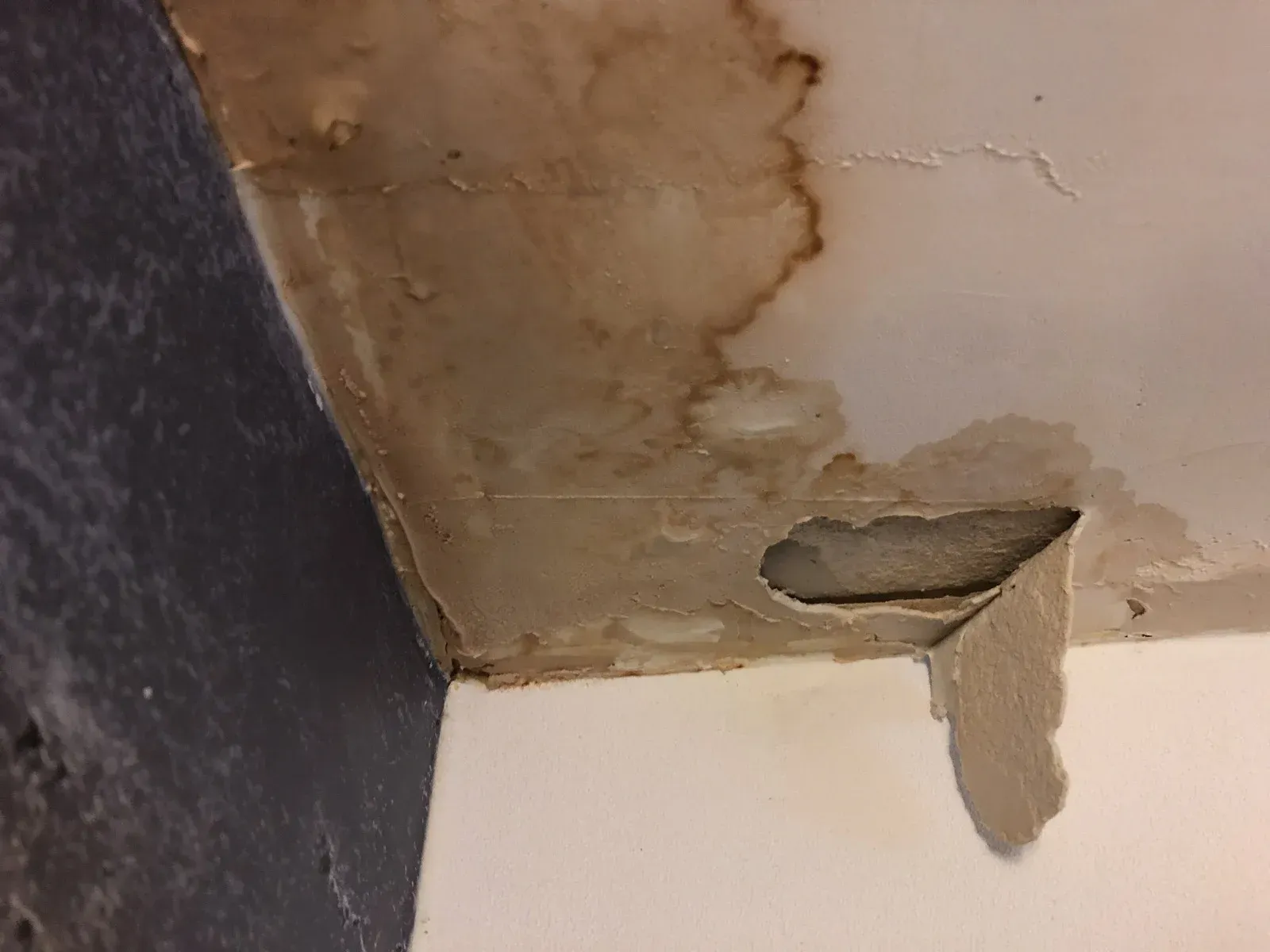
Water follows framing. A drip appearing above the hallway may have entered 10 or 15 feet away at a chimney flashing or a cracked rubber boot, then run downhill along a rafter until something interrupted it. Sealing the spot directly above the stain feels logical and usually fails, because the real opening is still up there taking on water in the next storm.
Proper diagnosis means working backward from the stain, through the attic wherever there is access, to the one point where the roof envelope was actually breached in the first place.
- Attic inspection where access allows
- Flashing, boots, valleys, and penetrations checked first
- Repairs matched to existing shingle color and profile
- Honest assessment when repair is not the right answer
ROOF REPAIR
A REPAIR SHOULD DISAPPEAR INTO THE ROOF.
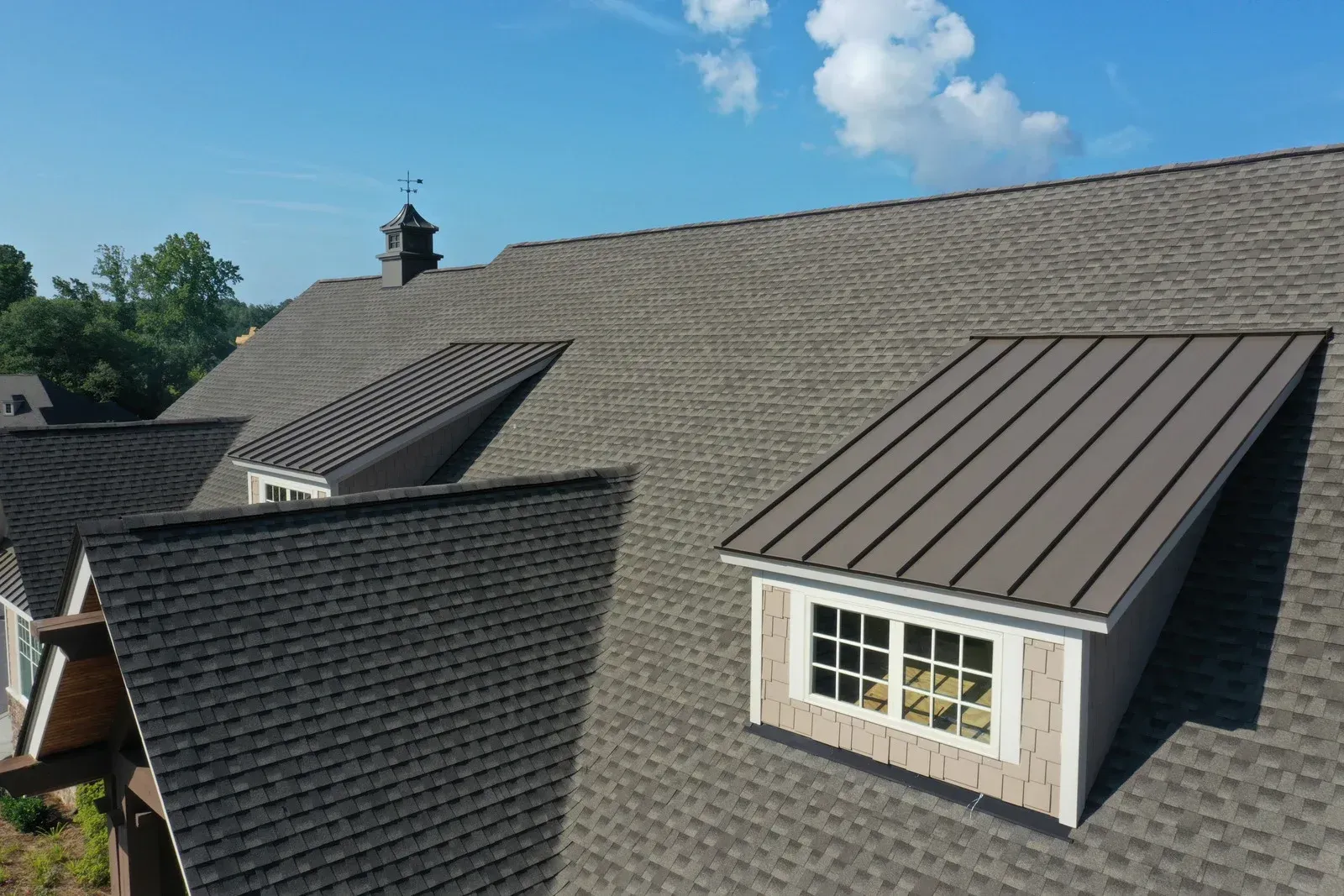
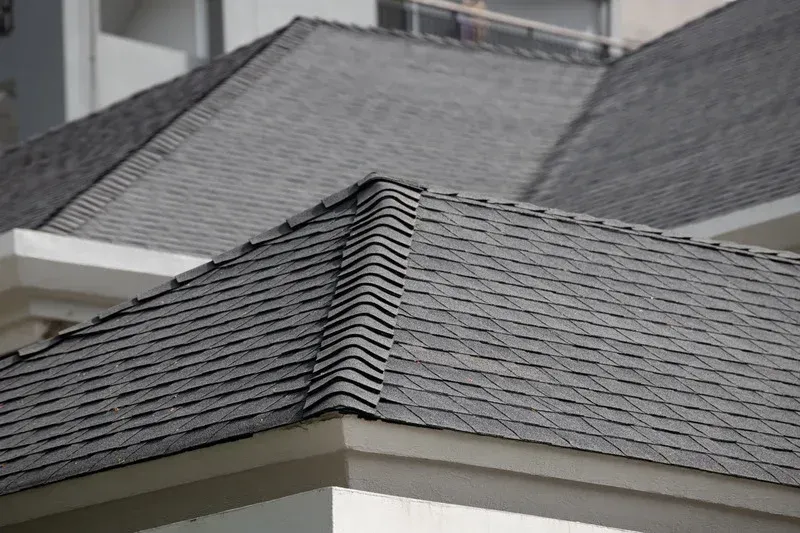
Nobody wants a patch that announces itself in a different shade from the street. Matching profile, color, and exposure matters, and so does weaving new shingles in properly rather than surface nailing a square over the problem. Done correctly, a repair sheds water exactly as the surrounding roof does and no one can find it a year later. Done poorly, it becomes the spot that fails first and takes decking with it when it goes.
SOUTHERN HEAT AGES A ROOF FASTER THAN THE WARRANTY SUGGESTS.
Architectural shingles are commonly rated for 20 or 30 years, but heat, humidity, and relentless summer sun in the Piedmont push real service life toward the lower end of those ranges. Attic ventilation makes a measurable difference, since trapped heat cooks shingles from underneath while it drives up cooling costs. We look at ventilation and decking condition during any repair, because the same conditions that caused one failure are still working on the rest of the roof.
WE FIND THE LEAK BEFORE WE SELL THE FIX.
Plenty of roofing calls end in a replacement quote before anyone has been in the attic. Ours do not. In 2 years of chasing water into houses around this county we have found that most leaks come down to a cracked boot, a lifted flashing, or a valley packed with debris. Those are repairs, not replacements. If the roof genuinely needs replacing we will say so plainly, and if it does not, why would we suggest otherwise?
WHAT A PROPER REPAIR SAVES YOU
DAMAGE THAT STOPS SPREADING
Water reaching decking, insulation, and framing turns a shingle problem into a carpentry problem quickly. Sealing the entry point early keeps the repair confined to the roof rather than growing into drywall, insulation, and structure.
YEARS ADDED TO THE ROOF
A sound roof with one failed detail has plenty of life left. Fixing that detail rather than replacing everything postpones a major expense by years and puts the money toward something the house actually needs.
NO MYSTERY STAINS RETURNING
A repair aimed at the true entry point ends the problem instead of quieting it until the next driving rain. That certainty is worth more than the patch itself to most homeowners we work with.
MOLD RISK REDUCED
Moisture in insulation and framing feeds growth you cannot see from the living room. Stopping the intrusion early keeps a roofing repair from turning into an air quality problem inside the house.
A CLEAN LOOKING ROOFLINE
Matched shingles and correct installation keep the repair invisible from the street. Curb appeal survives intact, which matters if selling the property is anywhere in the next several years of planning.
CLARITY ABOUT WHAT COMES NEXT
You end up knowing the actual condition of the roof, how much life is realistically left, and what to budget for. That picture is often the most useful part of the whole visit.
Insert Title
Insert Title
WHAT WE FIX
OUR ROOF REPAIR WORK
These are the failures that account for most residential roof leaks we get called out to look at. Each one gets properly diagnosed before anything is replaced or sealed.
LEAK TRACING
LEAK DETECTION
Finding the entry point comes before any material gets ordered. We work from the stain backward, check the attic where access exists, and follow the framing until the actual breach shows itself rather than guessing from below.
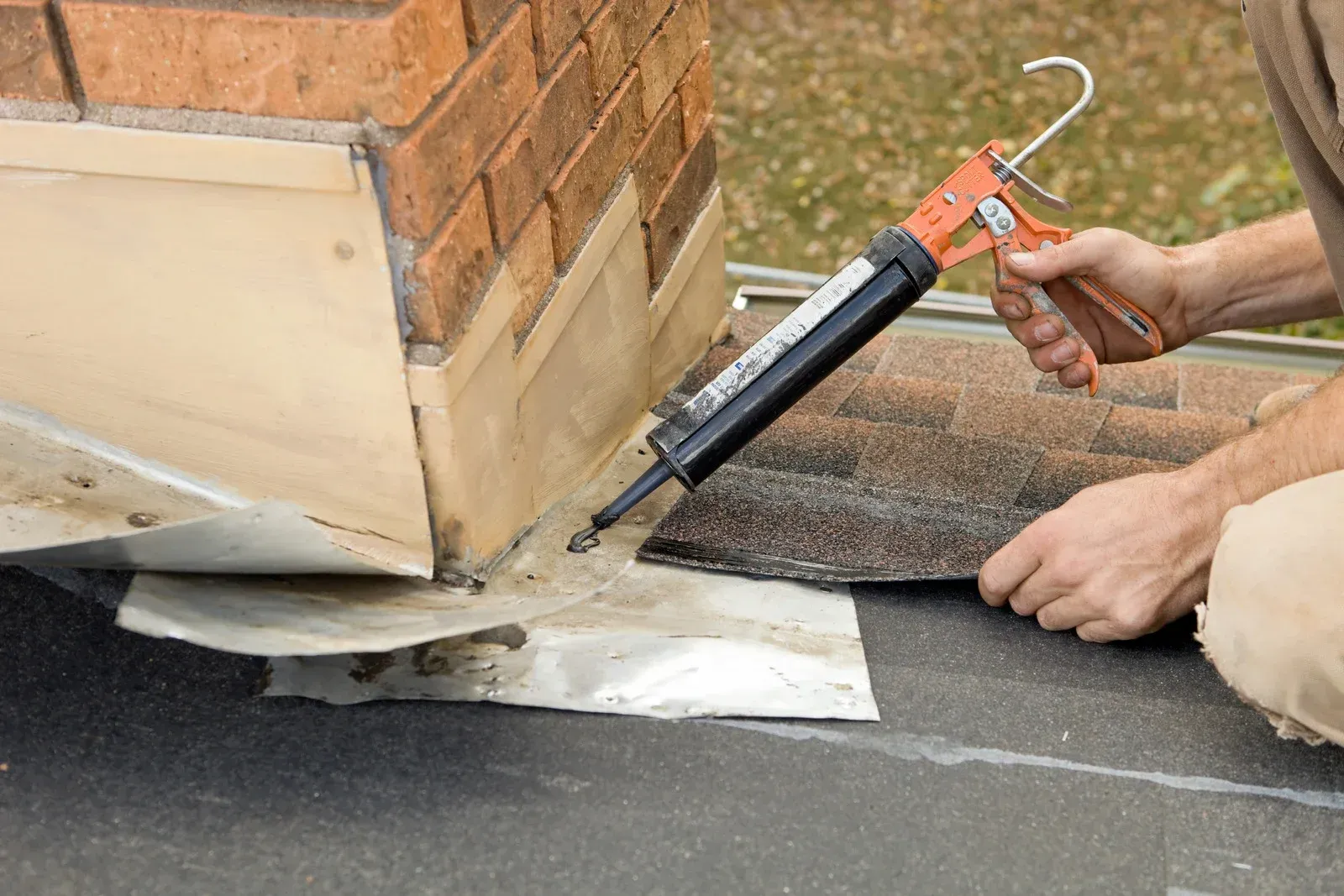
FLASHING
FLASHING REPAIR
Chimneys, wall intersections, and skylights are where most roofs fail first, because flashing takes movement and weather from two directions. Corroded, lifted, or improperly installed flashing gets replaced and properly integrated with the surrounding shingle courses.
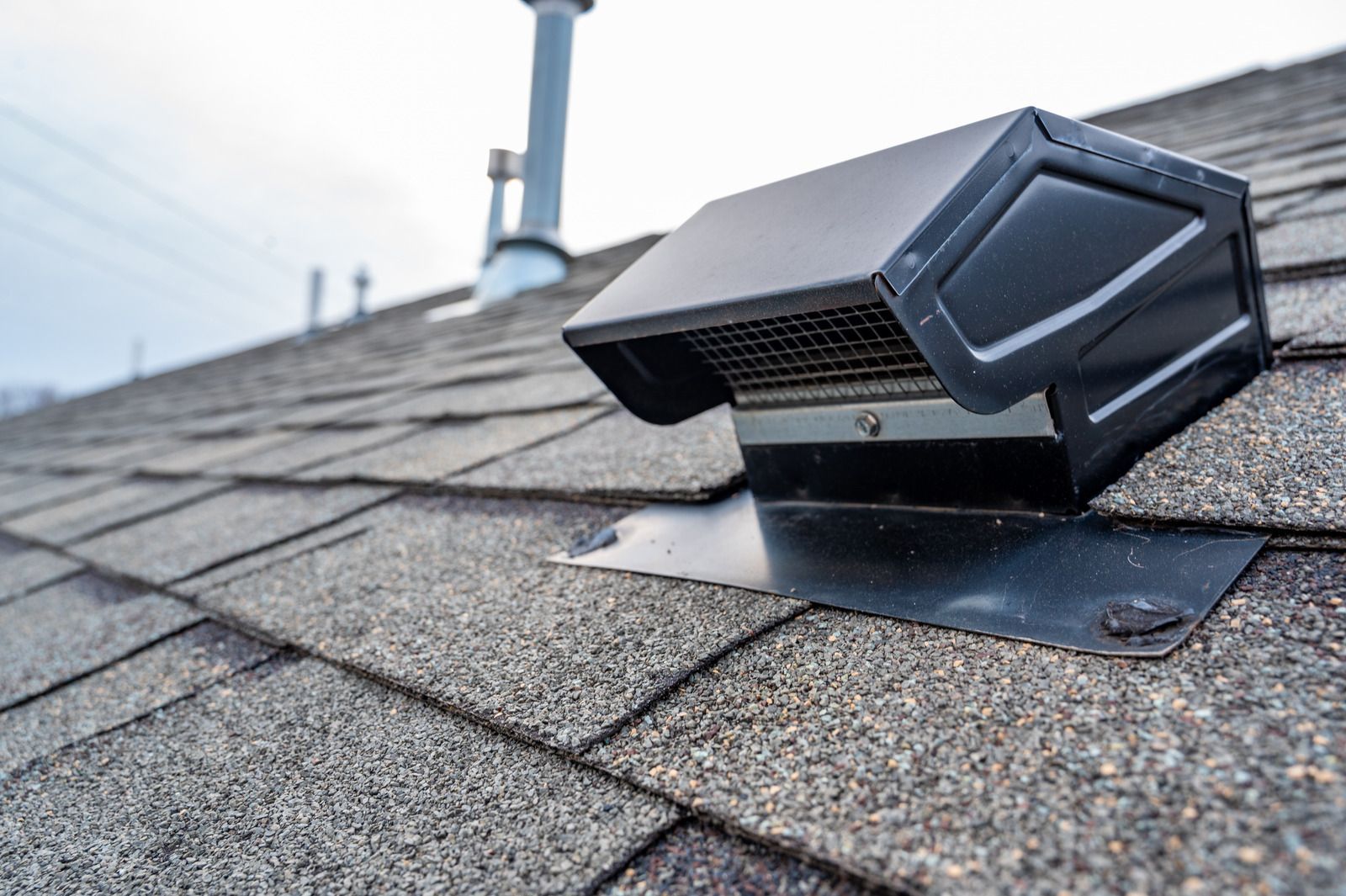
VENT BOOTS
VENT PIPE BOOT REPLACEMENT
The rubber collar around a plumbing vent hardens and splits under years of ultraviolet exposure, usually well before the shingles wear out. It is among the most common leaks we find and one of the simplest to correct.
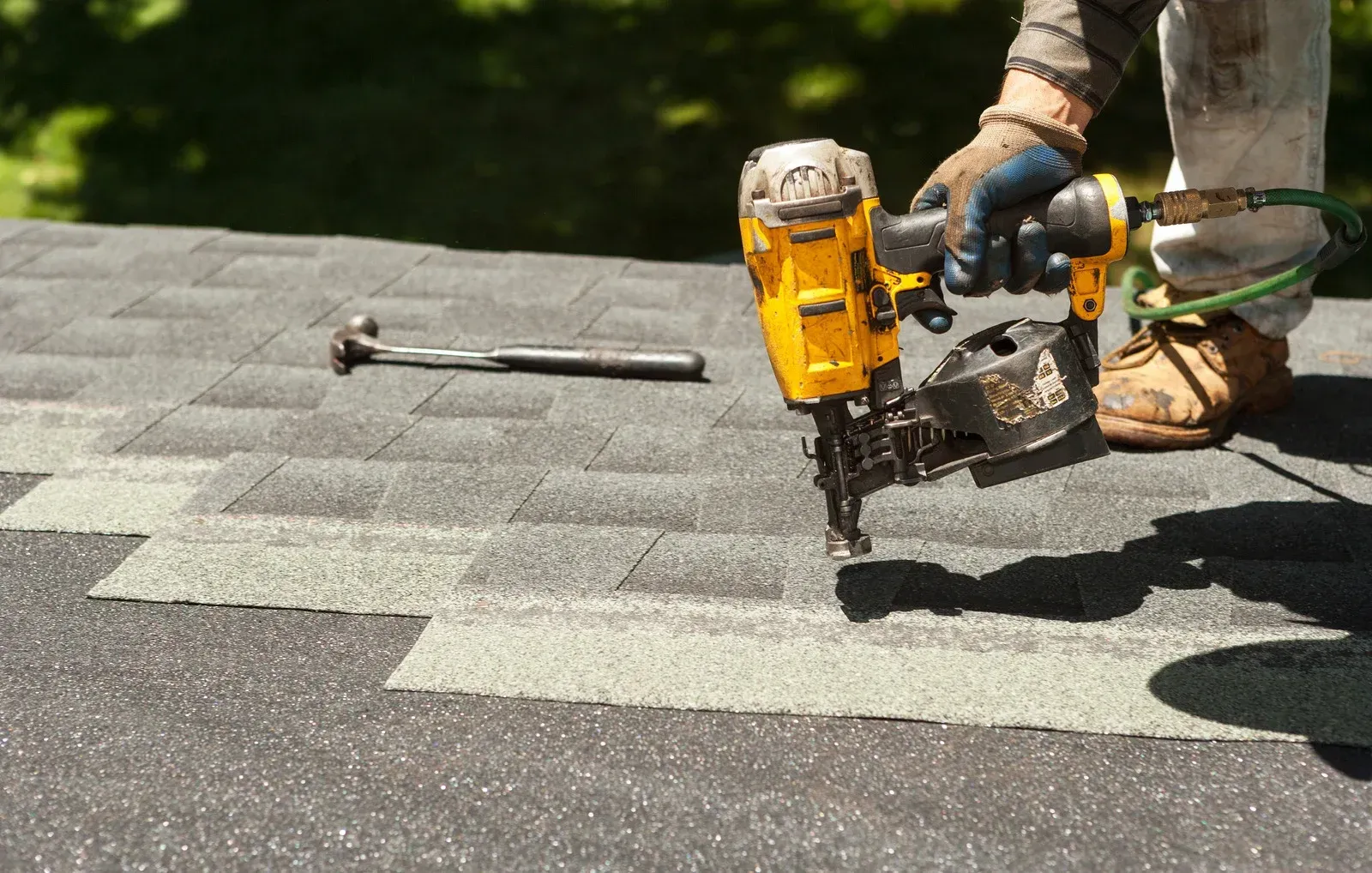
SHINGLE WORK
SHINGLE REPLACEMENT
Missing, cracked, curled, or wind-lifted shingles get replaced and woven into the existing courses. We match profile and color as closely as available stock allows so the repaired section blends rather than advertising itself.
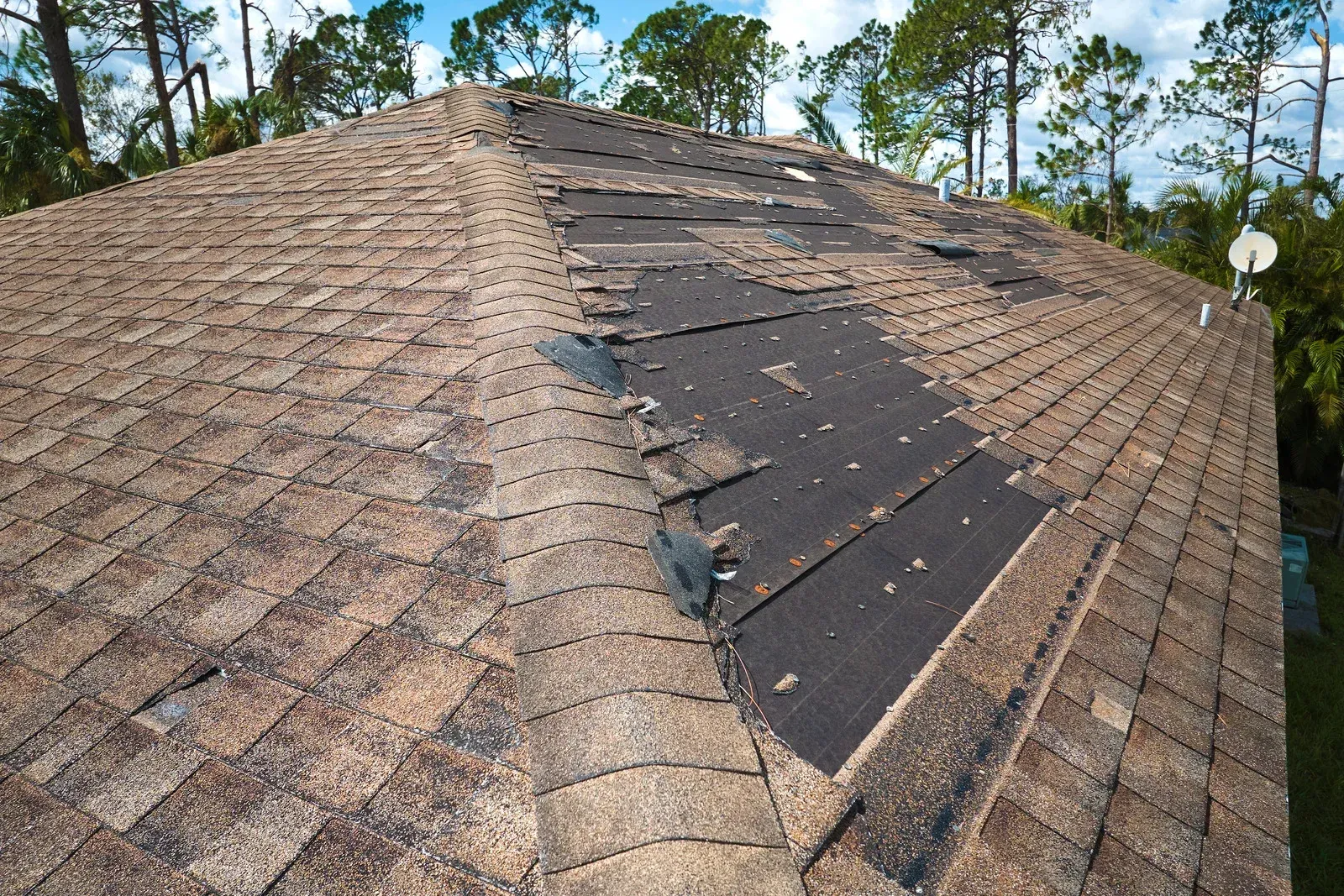
STORM REPAIR
STORM DAMAGE REPAIR
Wind-lifted tabs, impact damage, and debris punctures get addressed promptly to stop water entry. We document what we find so you have a clear record of the damage and its location before repairs cover it.
VALLEY WORK
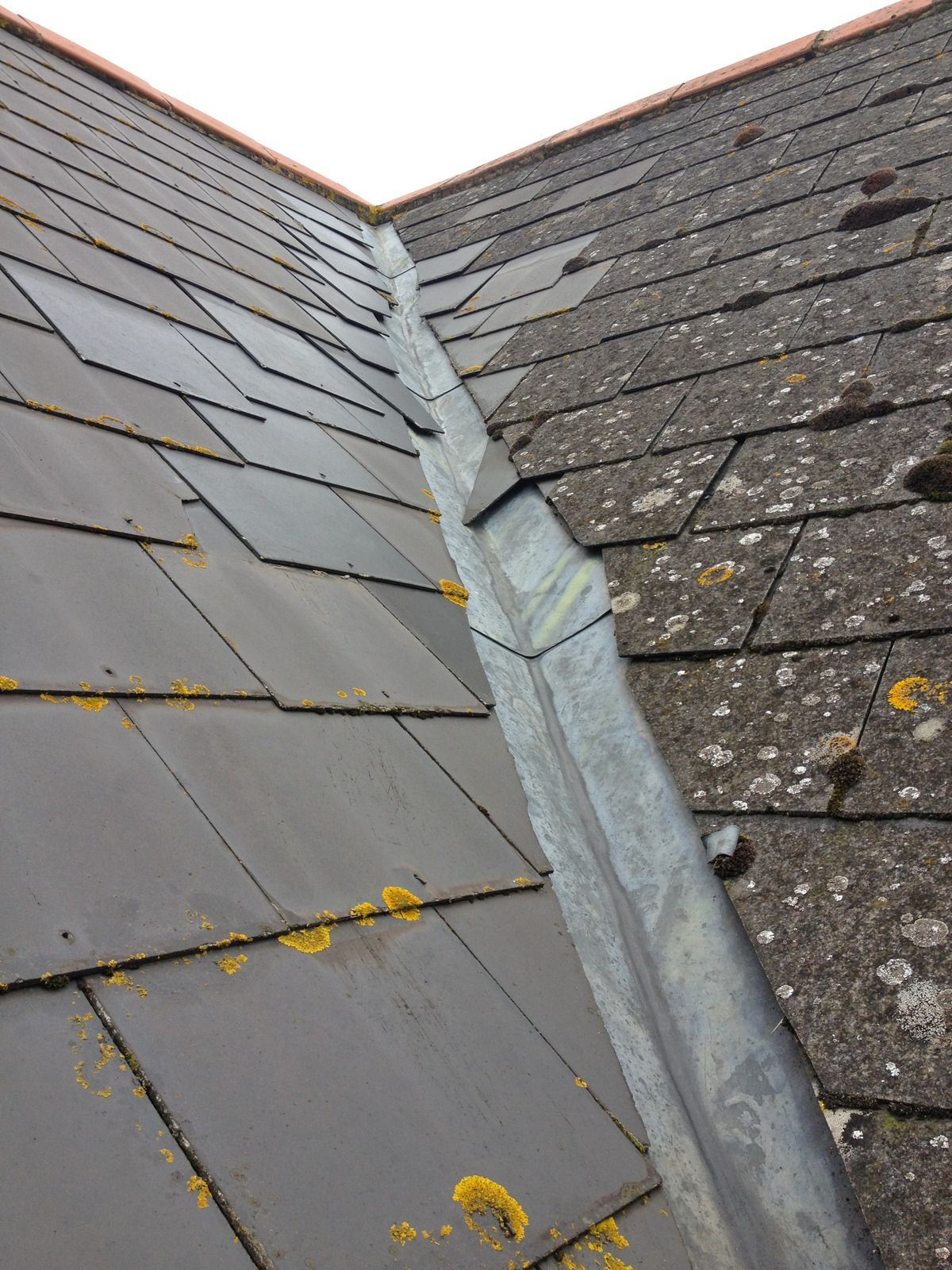
VALLEY AND DRIP EDGE REPAIR
Valleys concentrate water from two slopes and collect debris that dams flow back under shingles. Clearing, repairing, or replacing valley material and correcting failed drip edge keeps that volume moving where it belongs.
Common Questions
FREQUENTLY ASKED QUESTIONS.
Common questions from homeowners staring at a ceiling stain or a shingle in the yard. Send photos through the contact page and we will tell you what we see.
What are the early signs of a roof leak before water shows on the ceiling?
Musty attic smell, dark staining on rafters or decking, damp insulation, rusted nail heads, and granules collecting in gutters. Most of these appear months before anything becomes visible inside the living space.
What does hail damage on asphalt shingles look like?
Random dark bruises where granules were knocked loose, soft spots that give under thumb pressure, and matching dents on gutters, vents, or metal flashing. Damage is scattered rather than following any consistent pattern.
How much wind does it take to lift or blow off shingles?
Gusts of 45 to 60 miles per hour can lift tabs on older or poorly sealed shingles. Aging sealant strips are usually the real culprit rather than exceptional wind speed alone.
Why does my roof only leak during heavy, wind-driven rain?
Because water is being pushed sideways under shingles or into a flashing detail that sheds fine in vertical rain. Those leaks are the hardest to trace and the most commonly misdiagnosed by guesswork.
Why do plumbing vent pipe boots crack and leak?
Ultraviolet exposure hardens the rubber collar until it splits, often around 10 to 15 years in. 3 In 1 Lawn and Home Care finds failed boots on roofs across Burlington, NC constantly.
How long do asphalt shingles last in NC's climate?
Three-tab shingles typically run 15 to 20 years and architectural shingles 20 to 30, though Southeastern heat and humidity push real world life toward the lower end of both ranges.
Does attic ventilation affect how long my roof lasts?
Considerably. Trapped heat and moisture cook shingles from below and shorten their service life while raising cooling costs. Balanced intake and exhaust ventilation is one of the cheapest roof investments available.
Can missing or damaged shingles be replaced without redoing the whole roof?
Yes, when the surrounding roof is sound and reasonably close in age. Isolated repairs are routine work for us throughout Burlington, NC, and 3 In 1 Lawn and Home Care will say when replacement makes better sense.
HOW WE WORK
FROM WATER STAIN TO SEALED ROOF, HERE IS HOW.
STEP 01
WE LISTEN TO THE PATTERN
When it leaks tells us nearly as much as where. Only in driving rain, only after snow, constantly, or once and never again all point toward different failures and narrow the search considerably before we climb.
STEP 02
WE GO INTO THE ATTIC
Where access allows, the underside of the decking tells the truth. Staining, damp insulation, and rusted fasteners trace back to the entry point far more reliably than anything visible from the roof surface.
STEP 03
WE INSPECT THE ROOF
Flashing, boots, valleys, penetrations, and nail lines get checked in order of likelihood. We also note general condition, because knowing how much life the roof has left shapes what repair makes sense.
STEP 04
WE EXPLAIN THE OPTIONS
You get the actual cause, what fixing it involves, and an honest read on whether repair or replacement serves you better. Photos come with the explanation so nothing has to be taken on faith.
STEP 05
WE MAKE THE REPAIR
Failed material comes out, new material goes in and integrates with the surrounding courses, and everything gets sealed and fastened to shed water the way the rest of the roof does.
STEP 06
WE CLEAN UP AND CONFIRM
Debris and nails leave the property, and we check the work in the next rain when practical. A repair is not finished until the stain has stopped growing inside the house.
Get Your Free Estimate
SHOW US THE STAIN AND WE WILL FIND THE SOURCE.
A photo of the ceiling, a rough idea of when it drips, and the age of the roof gives us a real starting point. We will come out, get into the attic where we can, and identify what actually failed rather than quoting a replacement sight unseen. If the roof has years left, you will hear that. If it does not, you will hear that too, with the reasoning attached. Send the details through our contact page.
WHAT YOUR ROOF ASSESSMENT COVERS:
✓ Leak traced to the actual entry point
✓ Attic inspection wherever access allows
✓ Flashing, boots, valleys, and fasteners checked
✓ Photos of everything we find
✓ A clear repair versus replacement recommendation
✓ Written scope before any material is ordered