PAINTING
PAINTING in Burlington, NC
Paint almost never fails because somebody picked the wrong color. It fails because chalk was left sitting on the siding, mildew got coated over instead of killed, or the wood underneath was still holding moisture from the last heavy rain. Painting from 3 In 1 Lawn and Home Care starts with the surface itself on homes across Burlington, NC and neighboring Alamance County, inside the house and out, on every wall, ceiling, and exterior elevation the weather here reaches.
PAINT FAILS DURING PREP, NOT DURING APPLICATION.
A finish coat can only hold as well as whatever sits underneath it. Chalky oxidized siding, mildew painted over instead of killed, damp wood, or a glossy surface never scuffed will all reject a new coat within a few seasons, no matter how good the product happened to be or how carefully it went on.
That is why our hours skew heavily toward the unglamorous end of the job. Washing, scraping, sanding, caulking, and priming decide whether the work lasts a decade or embarrasses everyone by year 3.
- Surfaces washed and fully dried before any coating
- Mildew treated rather than painted over
- Failing paint scraped, sanded, and feathered smooth
- Bare and repaired areas primed before finish coats
PAINTING
THE FINISH IS ONLY EVER AS GOOD AS WHAT IS UNDER IT.
Two crews can use identical paint on identical houses and get results a decade apart. The difference is entirely in what happened before the first coat: whether chalk was removed, whether caulk went on before priming, whether bare wood got sealed, whether anyone waited for the siding to actually dry after washing. None of that is visible on the day the job finishes. All of it is visible on the day the paint starts to fail, which is the day people remember who painted the house.
HUMID SUMMERS AND COLD NIGHTS NARROW THE PAINTING WINDOW.
Temperature at noon is not the number that matters. Surface, air, and paint all need to stay in range and above the dew point for a full 48 hours after application, which is why a warm afternoon followed by a night in the 30s produces staining, blotching, and adhesion failure. Around here that makes late spring and the stretch from September into October the most reliable seasons, once the heaviest pine pollen has settled out.
THE PREP IS WHERE OUR REPUTATION GETS MADE.
Anyone can roll a wall. In 2 years of painting houses in this county we have never had a callback trace to the topcoat. When work fails it is because someone skipped the wash, painted over mildew, or coated wood that was still damp inside. So we build the schedule around drying time and weather windows rather than around how quickly we could be finished. Would you rather it look right this month or still look right in 8 years?
WHAT A CAREFUL PAINT JOB RETURNS
A FINISH THAT HOLDS FOR YEARS
Proper preparation and correctly timed application are what separate a coating that lasts a decade from one that fails on the south wall by its third summer. The paint itself is rarely the deciding factor.
PROTECTION FOR THE WOOD UNDERNEATH
Paint is a weather barrier before it is a color. Sealed, caulked, and coated siding keeps moisture out of the substrate, which prevents rot and the carpentry bills that follow it years later.
AN UPDATED LOOK FOR LITTLE
Few improvements change how a house presents itself as dramatically for the money. Color, trim contrast, and clean lines can make a dated exterior read as current without touching anything structural.
FEWER REPAIRS DOWN THE ROAD
Caulking gaps and sealing bare wood during a repaint closes the entry points where water gets in. Each one addressed now is a soft spot in the trim you never end up replacing.
CLEAN LINES AND TIDY WORK
Straight cut lines, protected floors, hardware removed rather than taped around, and a site cleaned each evening. Interior painting should not feel like your house has been occupied for 2 weeks.
A PROPERTY THAT SHOWS BETTER
Buyers read fresh, well-applied paint as a maintained home and discount peeling exteriors sharply. Few pre-sale investments return as reliably or as visibly as a properly prepared repaint does.
Insert Title
Insert Title
WHAT WE PAINT
OUR PAINTING WORK
Interior and exterior residential painting, with the preparation stages treated as the actual work rather than a preliminary step. Here is what we handle across a property, inside and out.
EXTERIOR
EXTERIOR HOUSE PAINTING
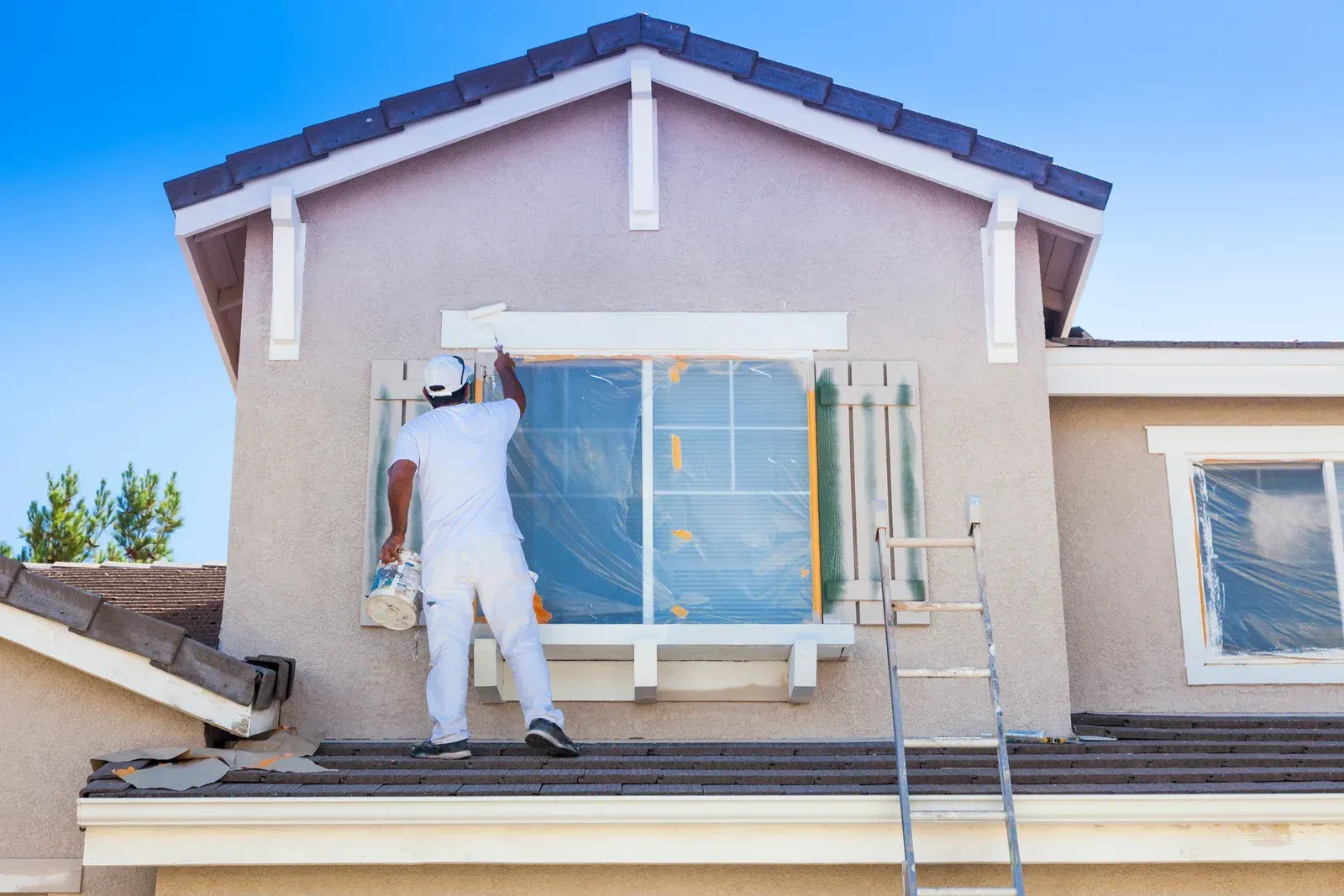
Siding, soffits, fascia, and porch surfaces washed, prepped, and coated with products rated for Southern heat and humidity. Two coats are standard, applied within the temperature and dew point window that lets the film cure properly.
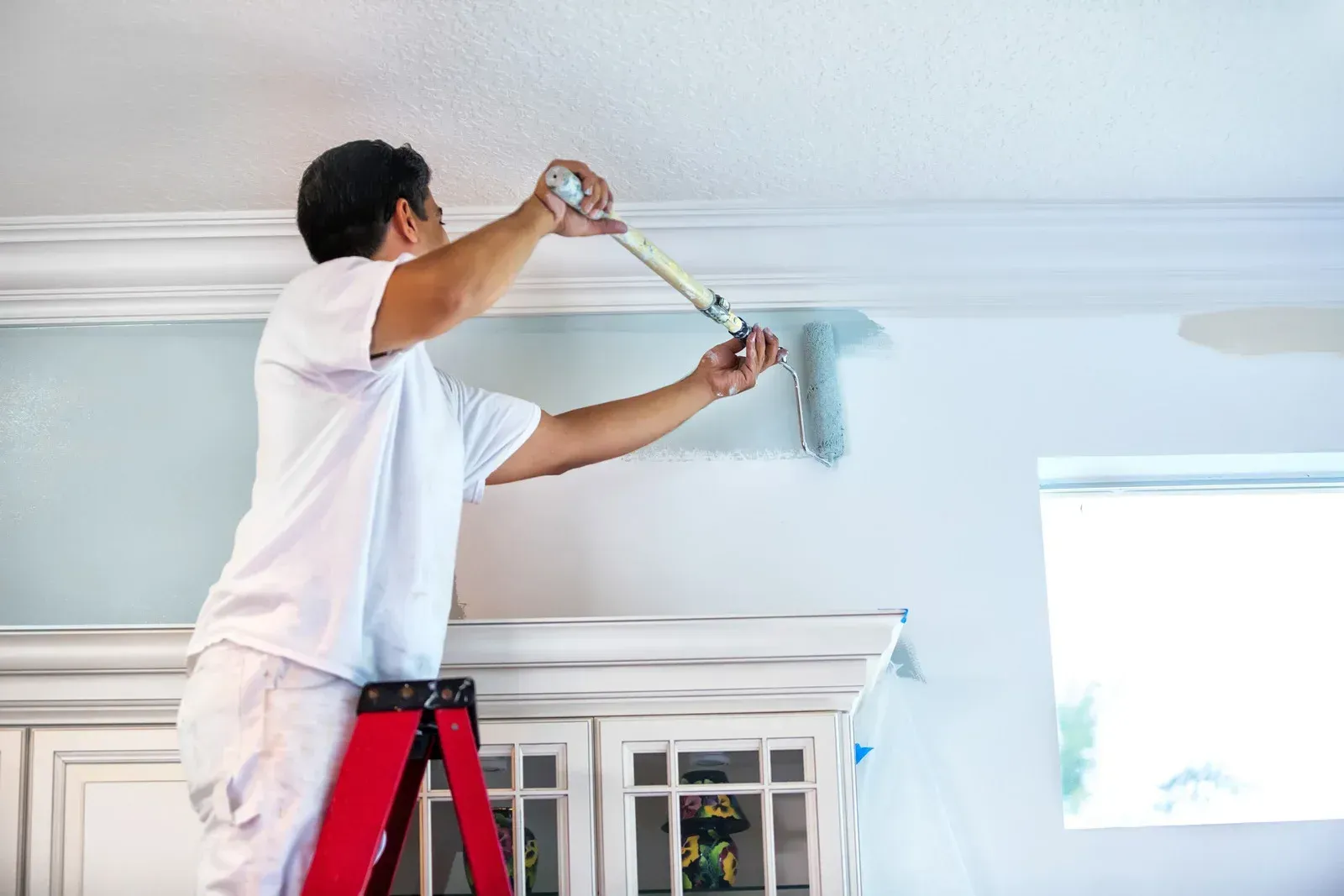
INTERIOR
INTERIOR PAINTING
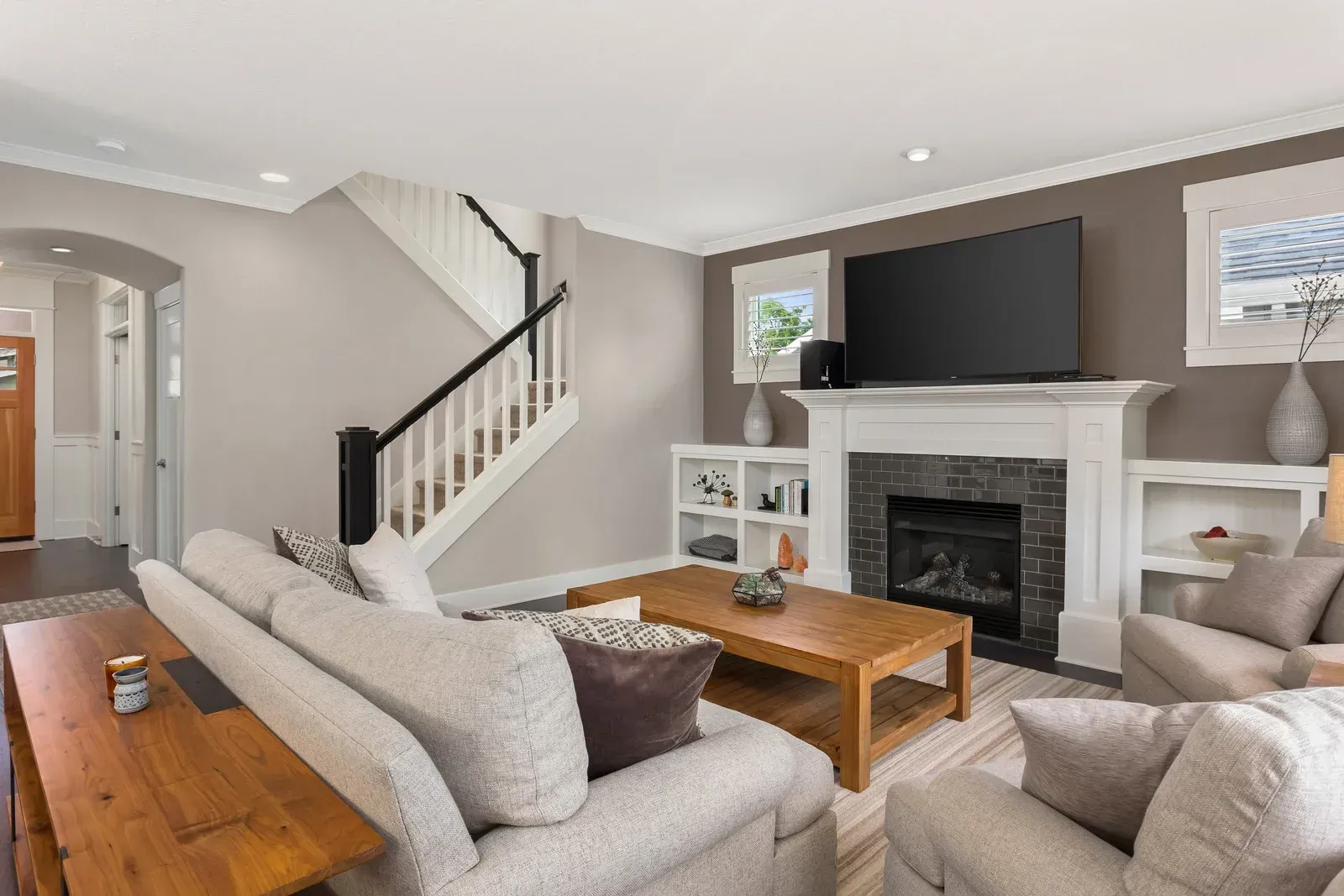
Walls, ceilings, and hallways painted with floors and furnishings protected and cut lines kept straight. Holes and cracks get filled, glossy surfaces get scuffed, and the space is put back together each evening rather than left disrupted.
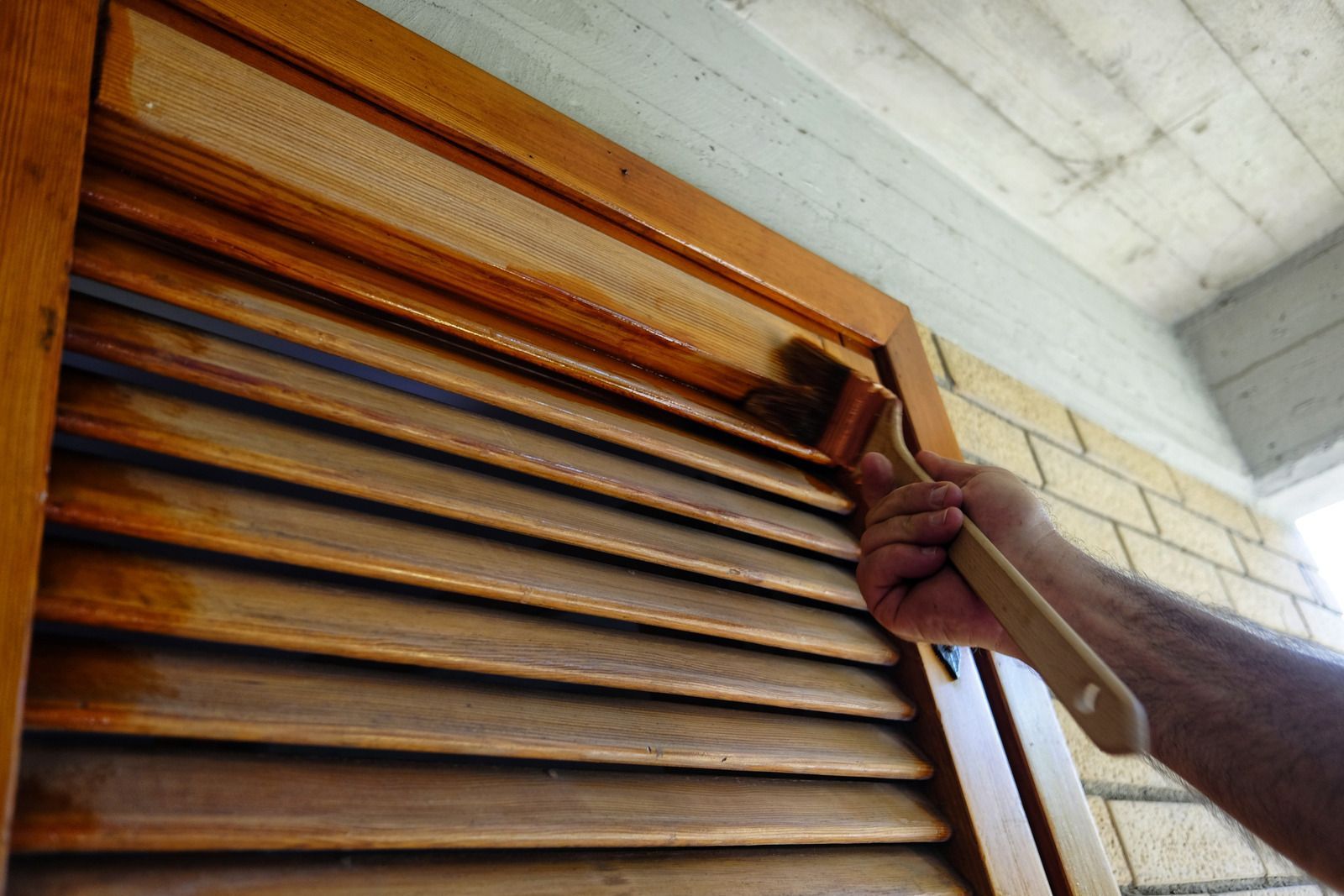
TRIM WORK
TRIM, DOOR, AND SHUTTER PAINTING
Trim takes weather and wear harder than any other surface, so it gets scraped, sanded, sealed, and coated with a harder finish. Doors and shutters are handled carefully around hardware for clean, sharp edges.
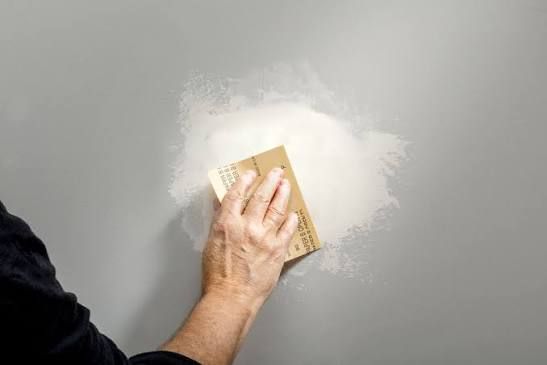
SURFACE PREP
WASHING AND SURFACE PREPARATION
Every exterior job begins with a wash to remove dirt, chalk, and mildew, followed by real drying time. Failing paint gets scraped and feathered so the transition between old and new does not telegraph through.
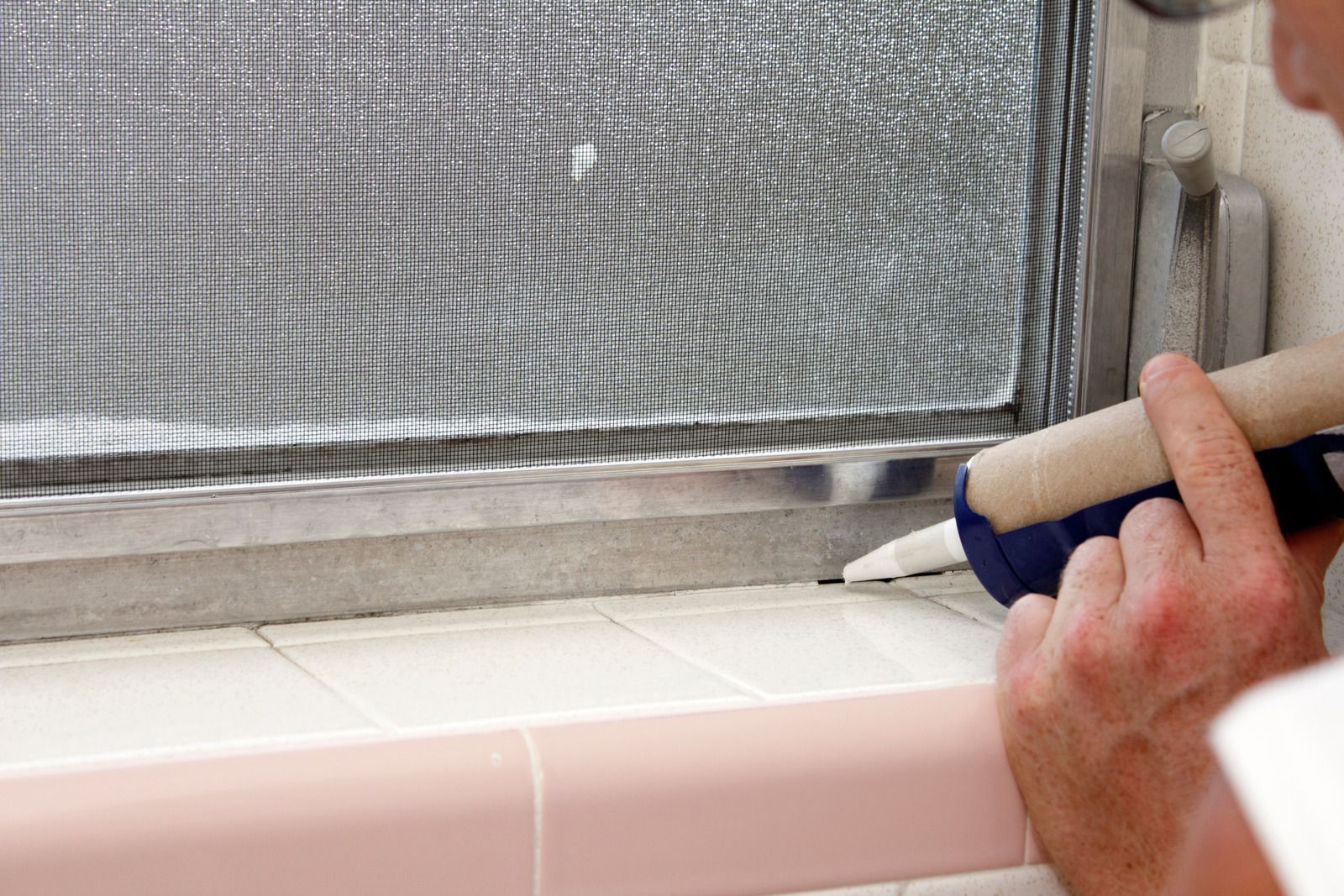
CAULK AND PRIME
CAULKING AND PRIMING
Joints and gaps get caulked before primer, and every bare or repaired area gets sealed. Skipping primer on raw substrate is the single most common reason a repaint fails early on wood and masonry surfaces.
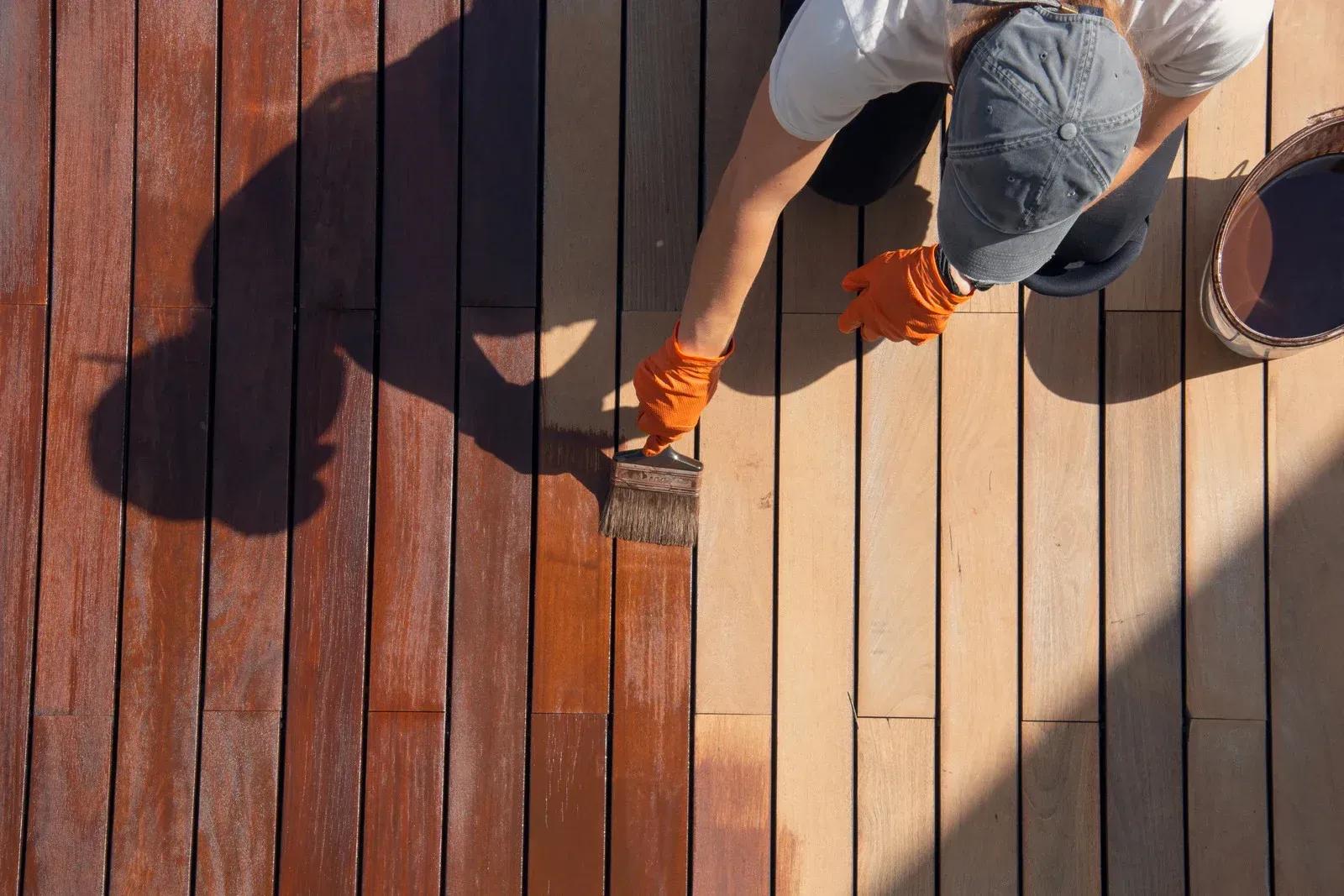
STAIN WORK
DECK AND FENCE STAINING
Wood gets cleaned at low pressure, allowed to dry thoroughly, then sealed or stained once moisture content is right. Coating a deck too soon after washing traps water and guarantees peeling within a single season.
Common Questions
FREQUENTLY ASKED QUESTIONS.
Questions homeowners ask before committing to a repaint, answered without the sales gloss. Anything specific to your siding or timeline is worth sending through the contact page.
Can you paint outside when it is humid?
Within limits. High humidity slows drying and keeps surfaces damp, and painting when the surface sits near the dew point causes staining and poor adhesion. We watch overnight lows as closely as daytime highs.
How long does exterior paint need to dry before it rains?
Most latex products need at least 4 hours of dry weather, and oil-based products want 8 or more above 70 degrees. Rain arriving sooner can streak, blotch, or wash the film entirely.
Do you have to power wash a house before painting it?
Effectively yes, since paint cannot bond to dirt, chalk, or mildew. 3 In 1 Lawn and Home Care washes exteriors across Burlington, NC and allows full drying time before any coating begins.
Why is my exterior paint peeling or bubbling?
Moisture in the substrate is the usual cause, followed by painting over chalk, dirt, or mildew. Bubbling often means the surface was damp or the coating went on in direct sun and dried too fast.
What causes chalky residue on painted siding?
Ultraviolet breakdown of the binder releases pigment as a fine powder on the surface. It must be washed off completely before repainting, because a new coat applied over chalk will lift away within a couple of seasons.
Do I need primer before painting, or is paint and primer in one enough?
Combination products work over sound, previously painted surfaces. Bare wood, patches, stains, masonry, and drastic color changes need dedicated primer. 3 In 1 Lawn and Home Care primes accordingly on Burlington, NC homes.
Is it bad to paint in direct sunlight?
Yes. Heat flashes the surface dry before the film can level and bond, causing lap marks, poor adhesion, and visible roller or brush overlap. We follow the shade around a house through the day.
How long after interior painting before furniture and pictures can go back?
Light furniture can return within a day, but wait several days before hanging anything or pressing objects against walls. Paint dries to the touch quickly and continues curing to full hardness for weeks.
HOW WE WORK
FROM BARE PREP TO FINAL COAT, HERE IS HOW.
STEP 01
WE INSPECT THE SURFACES
Chalking, peeling, mildew, rot, failed caulk, and previous coating type all get identified before anything is quoted. What is under the old paint decides the scope far more than square footage does.
STEP 02
WE WASH AND WAIT
Exteriors get washed to remove dirt, chalk, and biological growth, then given real drying time. Painting damp siding is the fastest way to guarantee peeling, so this stage does not get compressed.
STEP 03
WE SCRAPE AND SAND
Loose and failing paint comes off, edges get feathered smooth, and glossy areas get scuffed for adhesion. Skipping this step leaves visible ridges telegraphing through an otherwise good looking finish coat.
STEP 04
WE CAULK AND PRIME
Gaps and joints are sealed, then bare wood, patches, and repairs get primed. Order matters here, because caulking after priming leaves an unsealed bead that fails long before the surrounding paint does.
STEP 05
WE WATCH THE WEATHER
Application waits for a window where surface temperature, air temperature, and dew point cooperate for a full 48 hours. Cutting that short is what causes the streaking and blotching people blame on paint.
STEP 06
WE COAT AND CHECK
Two coats go on with proper time between them, then we walk the property with you in daylight looking for holidays, thin spots, and cut lines before anything gets called finished.
Get Your Free Estimate
LET US PREP IT PROPERLY THE FIRST TIME.
Send a few photos of the siding, the trim, and any area already peeling or chalking, along with a rough idea of your timing. We will tell you what condition the surfaces are actually in, how much preparation the job really needs, and which season will give the finish its best chance. If waiting 6 weeks would double the life of the work, we will say that too. Reach us through the contact page.
WHAT YOUR PAINTING ESTIMATE COVERS:
- Surface condition assessed before any pricing
- Preparation stages listed separately, not buried
- Product recommendations for Southern heat and humidity
- Interior protection and daily cleanup explained
- Scheduling built around weather and drying windows
- A written scope you approve before we start