
LANDSCAPING
LANDSCAPING in Burlington, NC
A plant tag tells you about sunlight, spacing, and mature width. It says nothing about Piedmont clay, which holds water around a root ball like a bucket and quietly drowns half of what gets planted around here each spring. Landscaping from 3 In 1 Lawn and Home Care begins with the ground itself, not the nursery shelf, across Burlington, NC and neighboring Alamance County, through planting, mulching, bed design, erosion work, and the drainage corrections most yards here need.
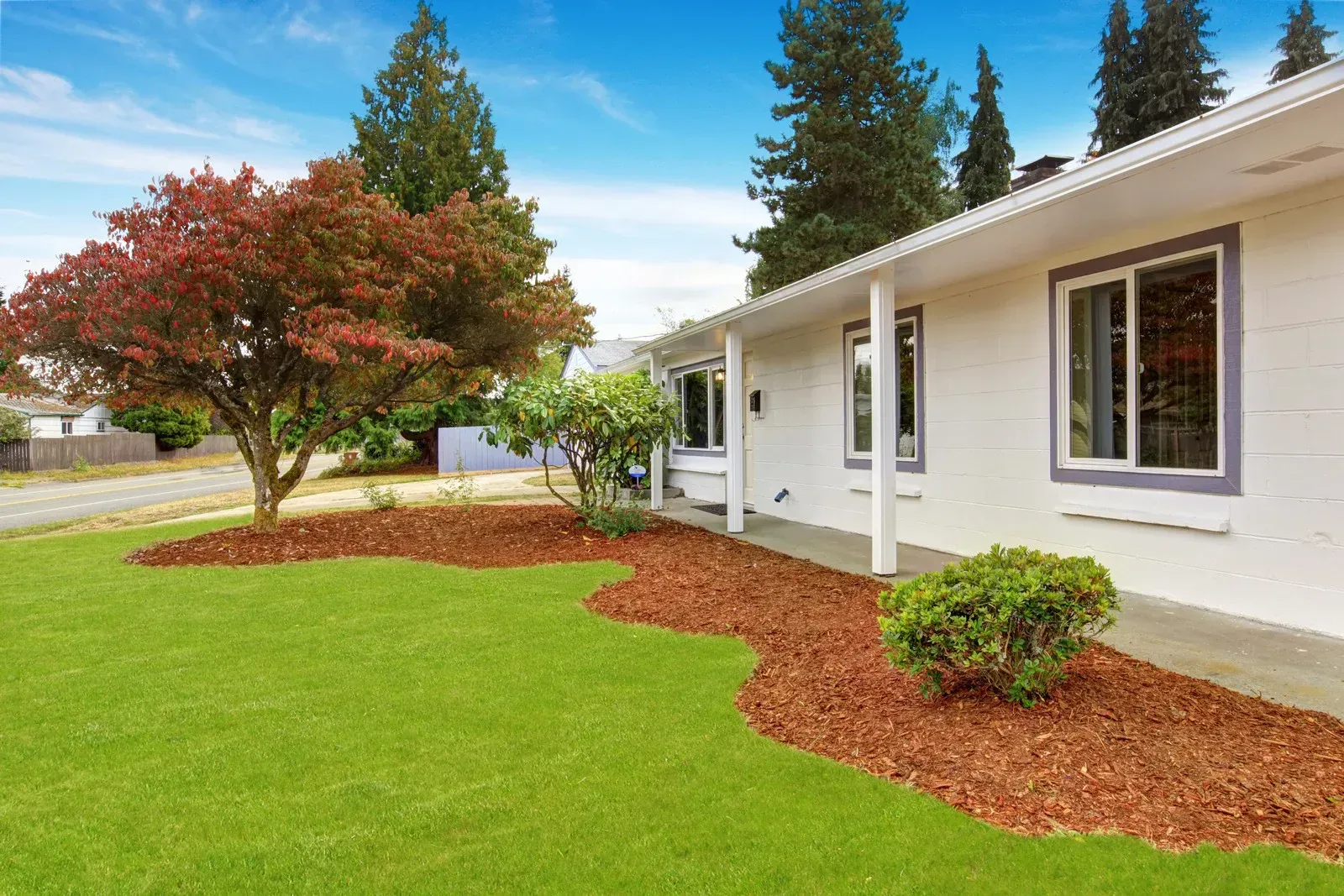
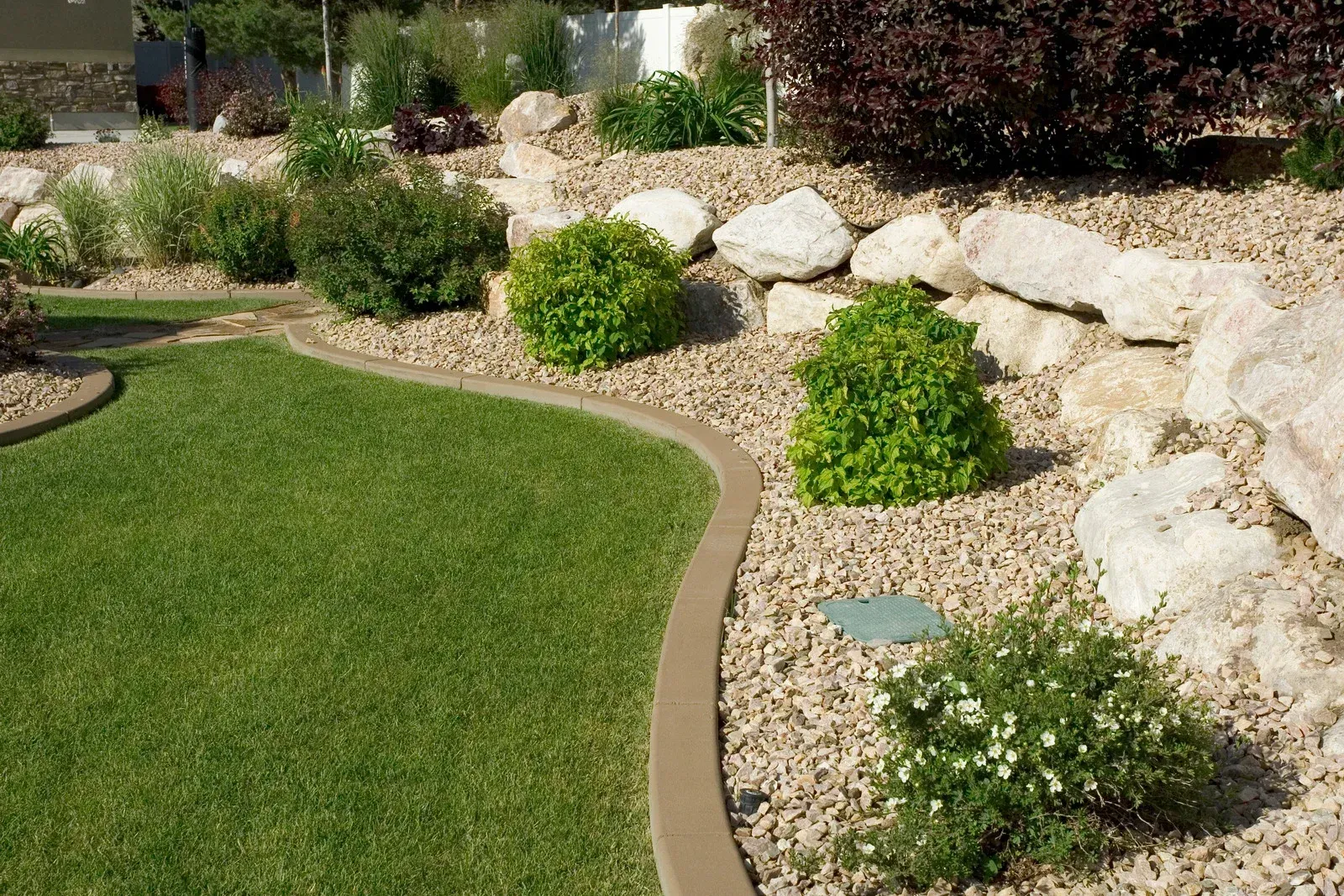
PLANTS FAIL IN CLAY LONG BEFORE THEY FAIL IN THE NURSERY.
Piedmont soil is dense, acidic, and slow to drain, which means a hole dug the size of the pot becomes a bucket that holds water against the roots. Amending broadly with compost, setting the crown slightly high, and choosing species that tolerate wet feet all matter far more to survival than anything printed on the plant tag ever will.
Fall planting helps too. Roots establish through the mild months while the top growth rests, so the plant meets its first July already anchored rather than fighting for a foothold.
- Beds amended with compost rather than sand
- Species matched to light, slope, and moisture
- Fall planting favored for trees and shrubs
- Mulch held back off trunks and stems
LANDSCAPING
A GOOD BED LOOKS INEVITABLE ONCE IT IS FINISHED.
The best landscaping does not announce itself. Lines follow the way people actually walk, plant heights step down toward the front without looking staged, and the mulch edge holds a shape that still reads clean 6 months later. Getting there means thinking about mature size instead of nursery size, leaving room for growth, and resisting the urge to fill every gap on day one. We plant for what the bed becomes, not just how it photographs the afternoon we finish.
ZONE 7B GIVES US MORE RANGE THAN MOST YARDS USE.
Alamance County supports an unusually wide plant palette, from oakleaf hydrangea and inkberry holly to muhly grass, redbud, serviceberry, and coneflower. Most properties around here still end up with the same four shrubs from the same big-box shelf. Natives handle our rainfall swings and clay better than imports, feed pollinators, and need less babysitting once established. We use that range deliberately so a yard looks like it belongs where it stands.
RED CLAY TAUGHT US MORE THAN ANY MANUAL COULD.
Books describe soil amendment in tidy paragraphs. Digging a bed in Alamance County after 2 days of rain teaches something else entirely. Across 2 years of planting here we have learned which low spots need a drain before anything goes in them, which slopes will wash without groundcover, and how far back from the foundation a shrub really needs to sit. That knowledge comes out of the ground, not a catalog. What is the part of your yard nothing will grow in?
WHAT A WELL BUILT LANDSCAPE RETURNS
CURB APPEAL THAT HOLDS
Defined beds and healthy plantings frame a house the way trim frames a window. The effect lasts for years rather than a single season, and it is the first thing any visitor or buyer registers from the street.
FEWER REPLACEMENTS TO BUY
Plants sited correctly for light, drainage, and mature size simply live longer. Choosing well the first time costs less than replacing the same struggling shrub every other spring and rebuilding the bed around it repeatedly.
WATER GOING WHERE YOU WANT IT
Grading, drains, and dry creek beds move runoff away from foundations and out of soggy lawn corners. The yard dries faster after storms and the grass stops drowning in the same low spot every year.
BEDS THAT STAY MANAGEABLE
Proper mulch depth, clean edges, and correct spacing hold weeds down and keep upkeep light. A bed built right takes minutes of attention rather than the full weekend renovation neglected borders eventually require.
SHADE AND SHELTER OVER TIME
Trees planted now change how a property feels within 10 years, cooling the house through afternoon sun and softening wind. Few improvements to a home compound in value quite so quietly or reliably.
A YARD YOU USE AGAIN
Solid footing, controlled water, and comfortable planting around seating areas turn unused ground into space people actually spend time in. That shift matters more day-to-day than any single plant selection does.
Insert Title
Insert Title
WHAT WE BUILD
OUR LANDSCAPING WORK
From a single bed refresh to reworking an entire front yard, these are the services we bring to a property. Most projects combine several of them into one visit, scheduled around the right planting season.
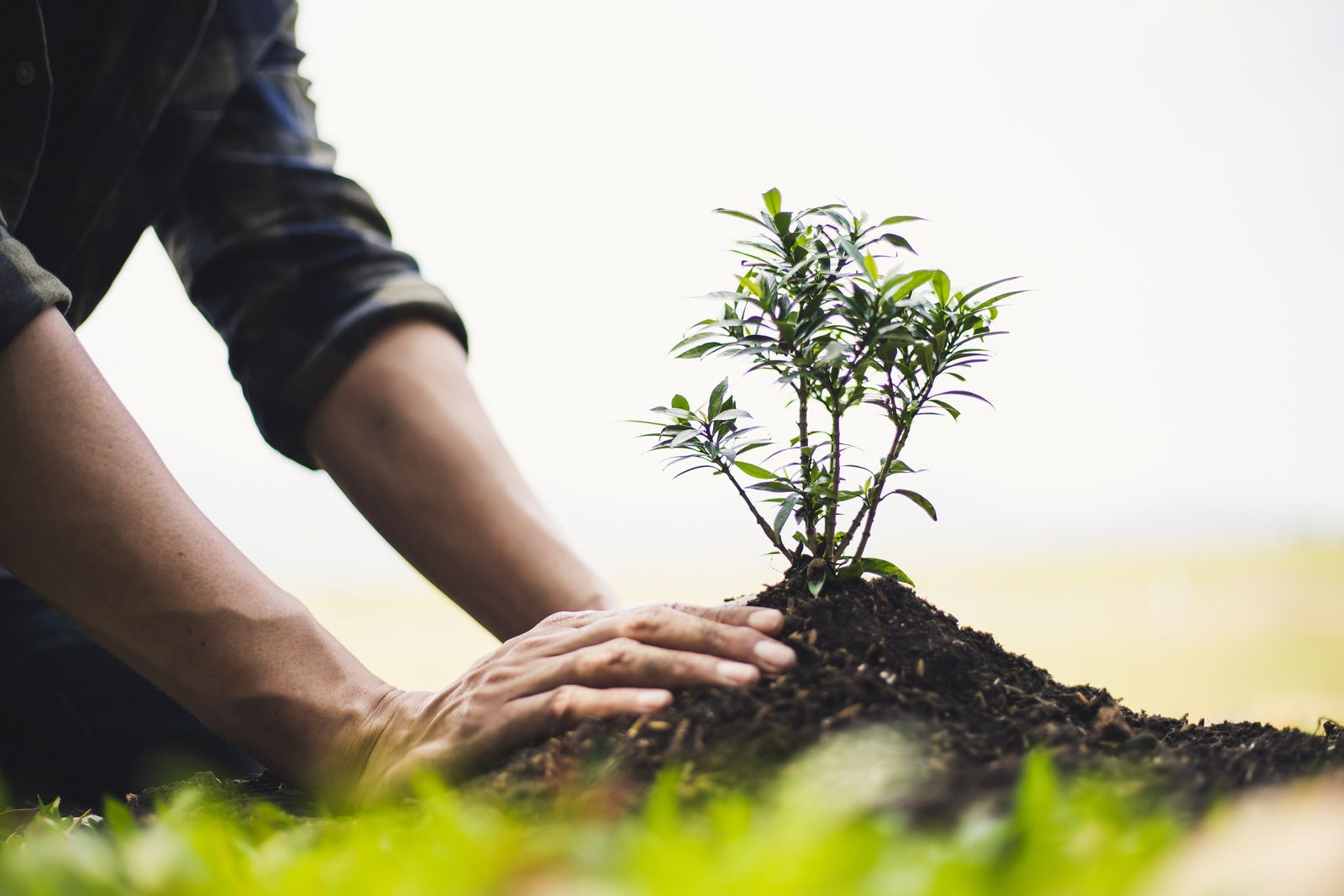
NEW PLANTINGS
TREE AND SHRUB PLANTING
Selection starts with the site: sun hours, drainage, mature spread, and how close the foundation sits. Holes are dug wide rather than deep, soil is amended broadly, and crowns are set slightly high so clay cannot hold water against the root ball.
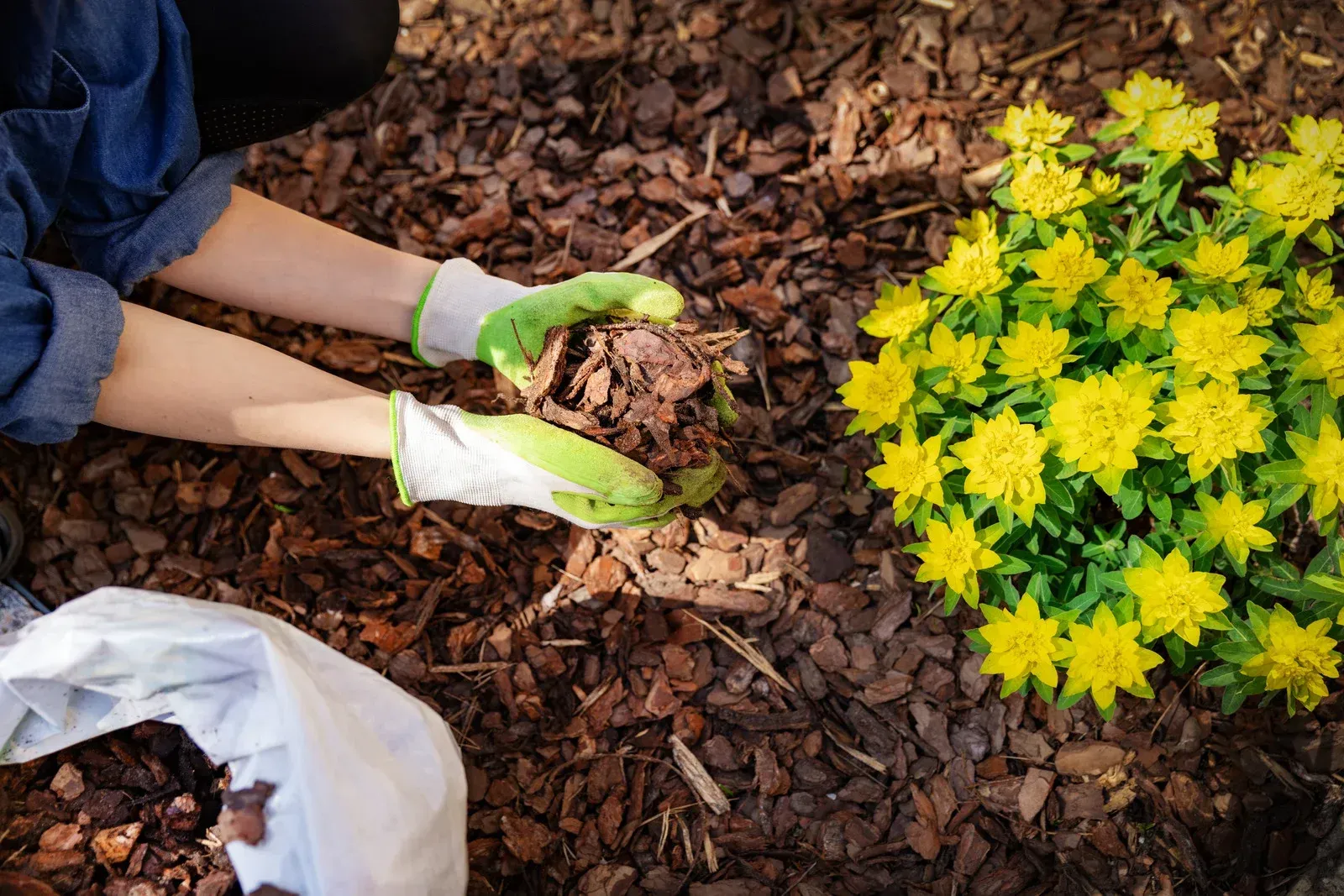
FRESH MULCH
MULCH INSTALLATION
2 to 3 inches, edges cut clean, and material pulled back off trunks and stems. Correct depth suppresses weeds and moderates soil temperature, while the volcano piles common around this area suffocate bark and invite rot into young trees.
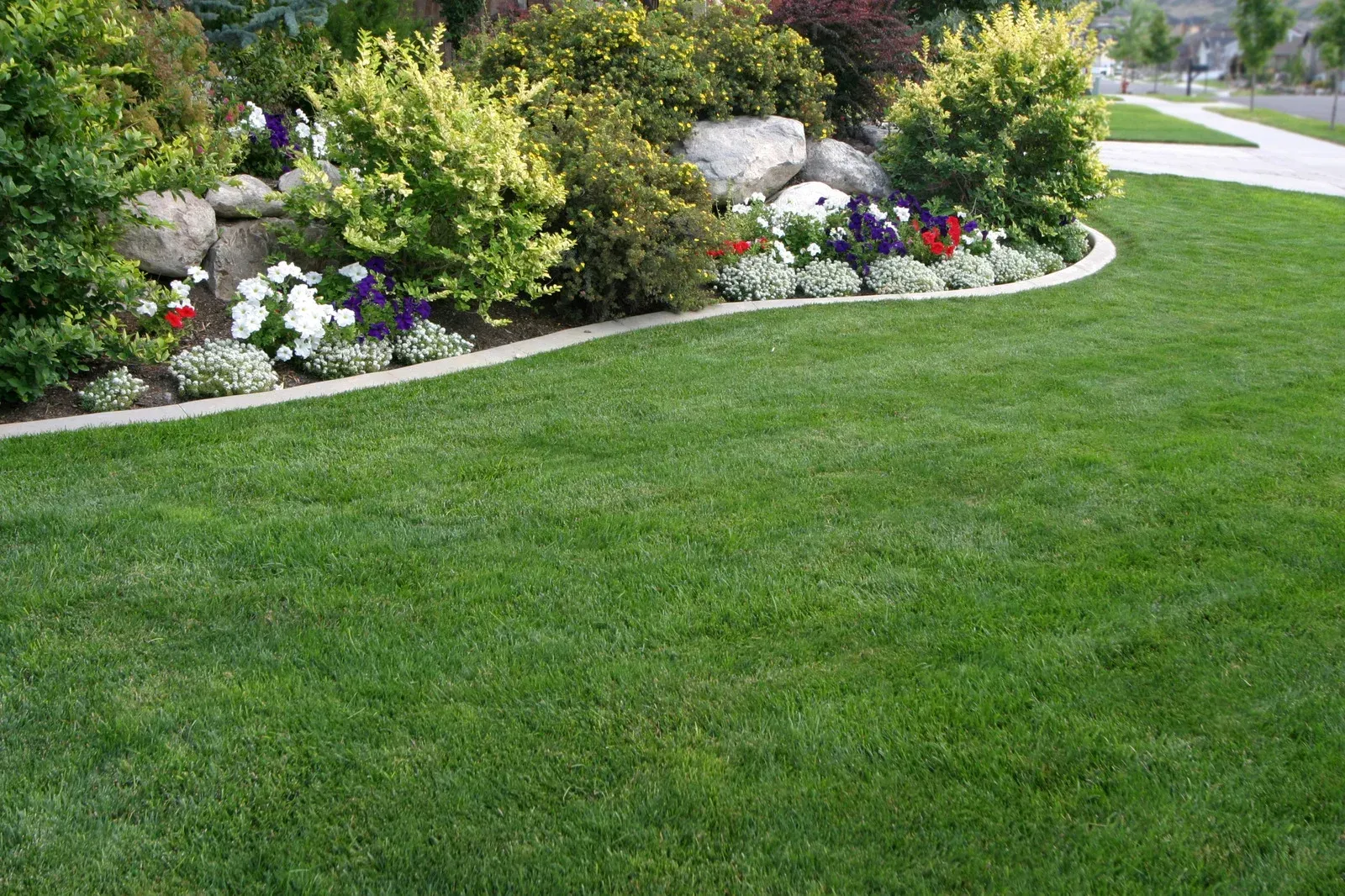
BED DESIGN
BED DESIGN AND RESHAPING
Borders get redrawn to follow the architecture and the way people move through the yard. We step plant heights front to back, leave honest room for mature size, and cut a defined edge that holds its line through the season.
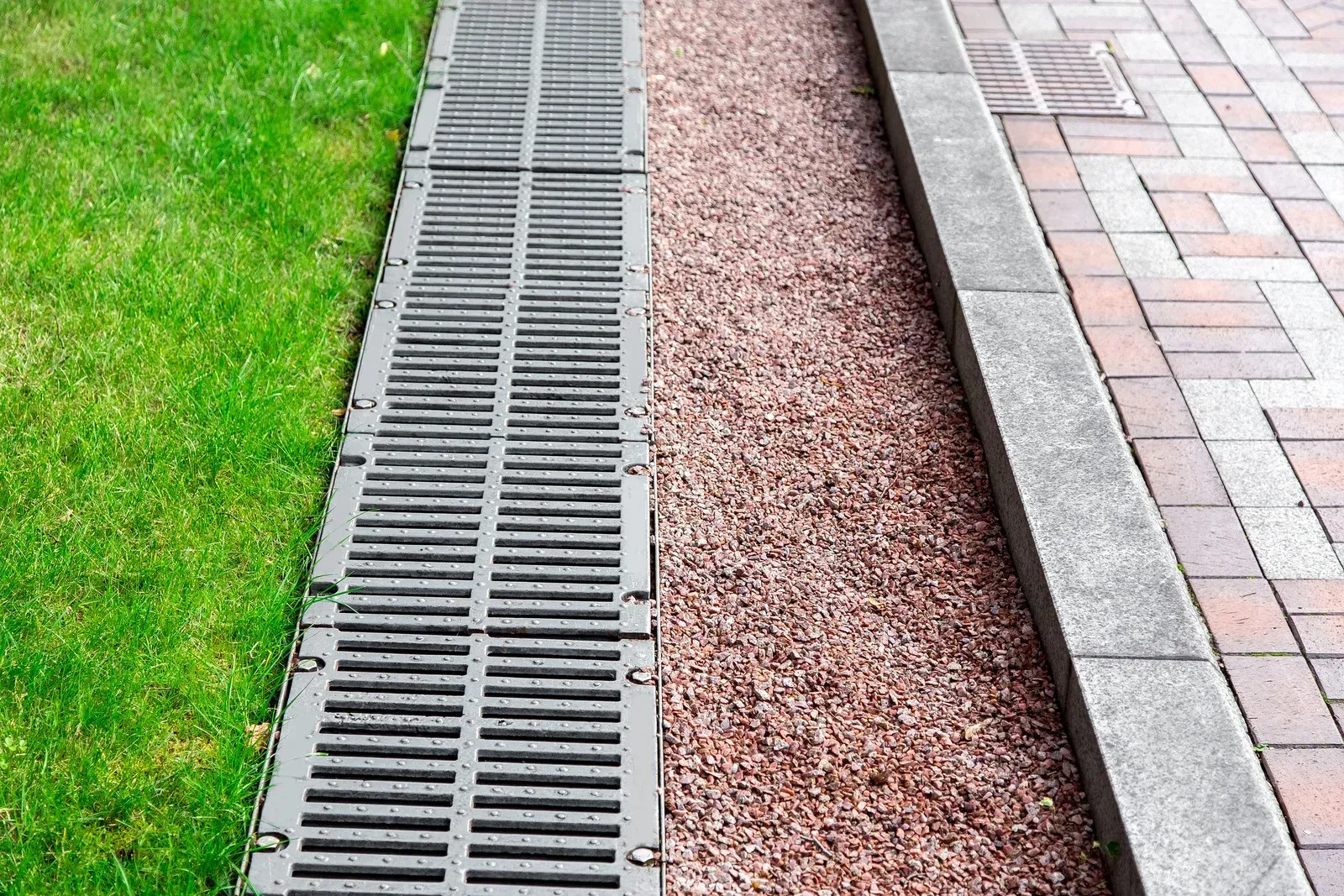
WATER CONTROL
DRAINAGE SOLUTIONS
Standing water after every storm usually means compaction, a low spot, or runoff with nowhere to go. Depending on the site we regrade, install a buried drain line, or build a dry creek bed that carries water toward a suitable outlet.
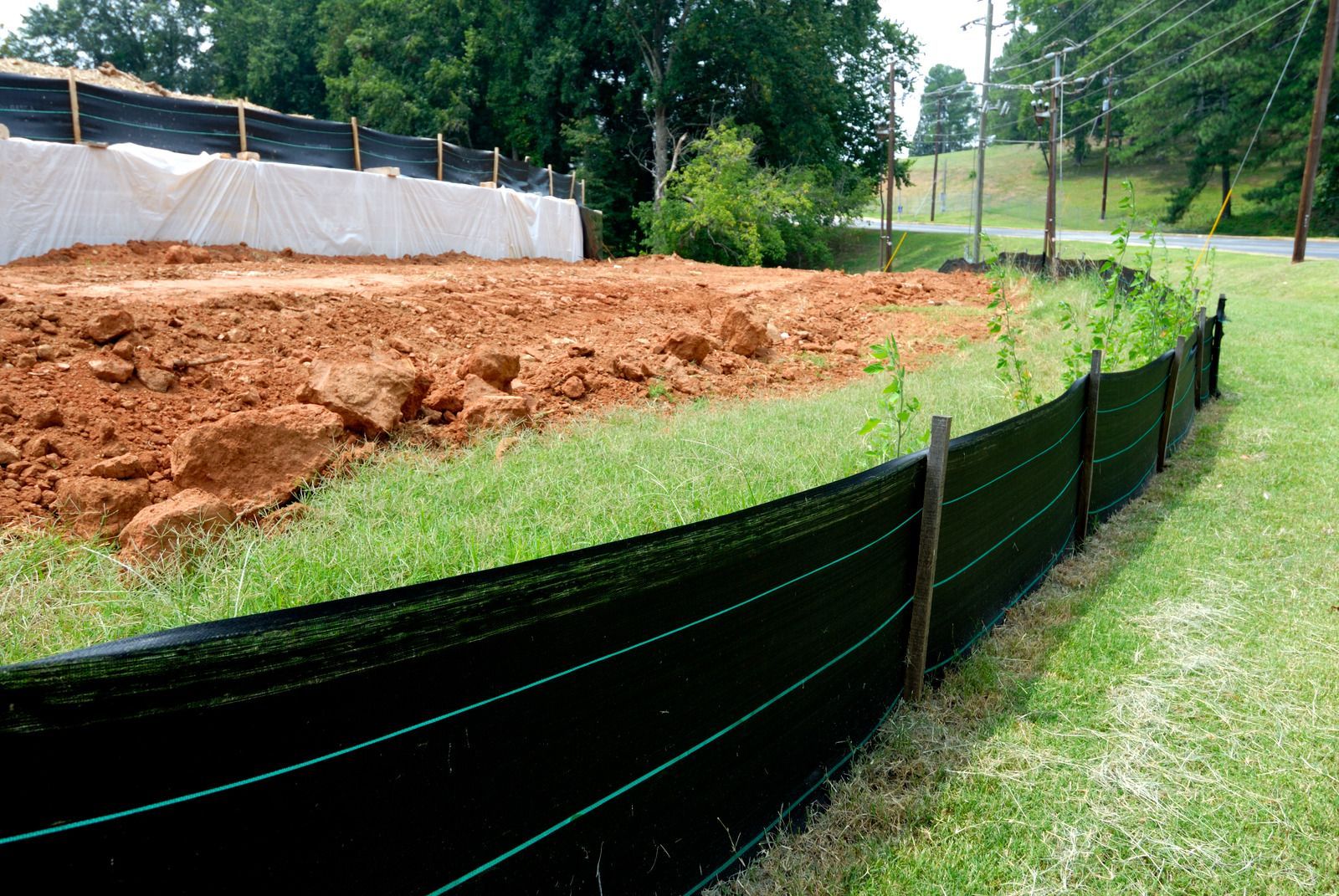
SLOPE WORK
EROSION CONTROL
Bare clay on a grade washes downhill with every heavy rain, taking mulch and topsoil with it. Deep-rooted groundcovers, terracing, and stabilized plantings hold that ground in place and stop the gullies from returning each spring.
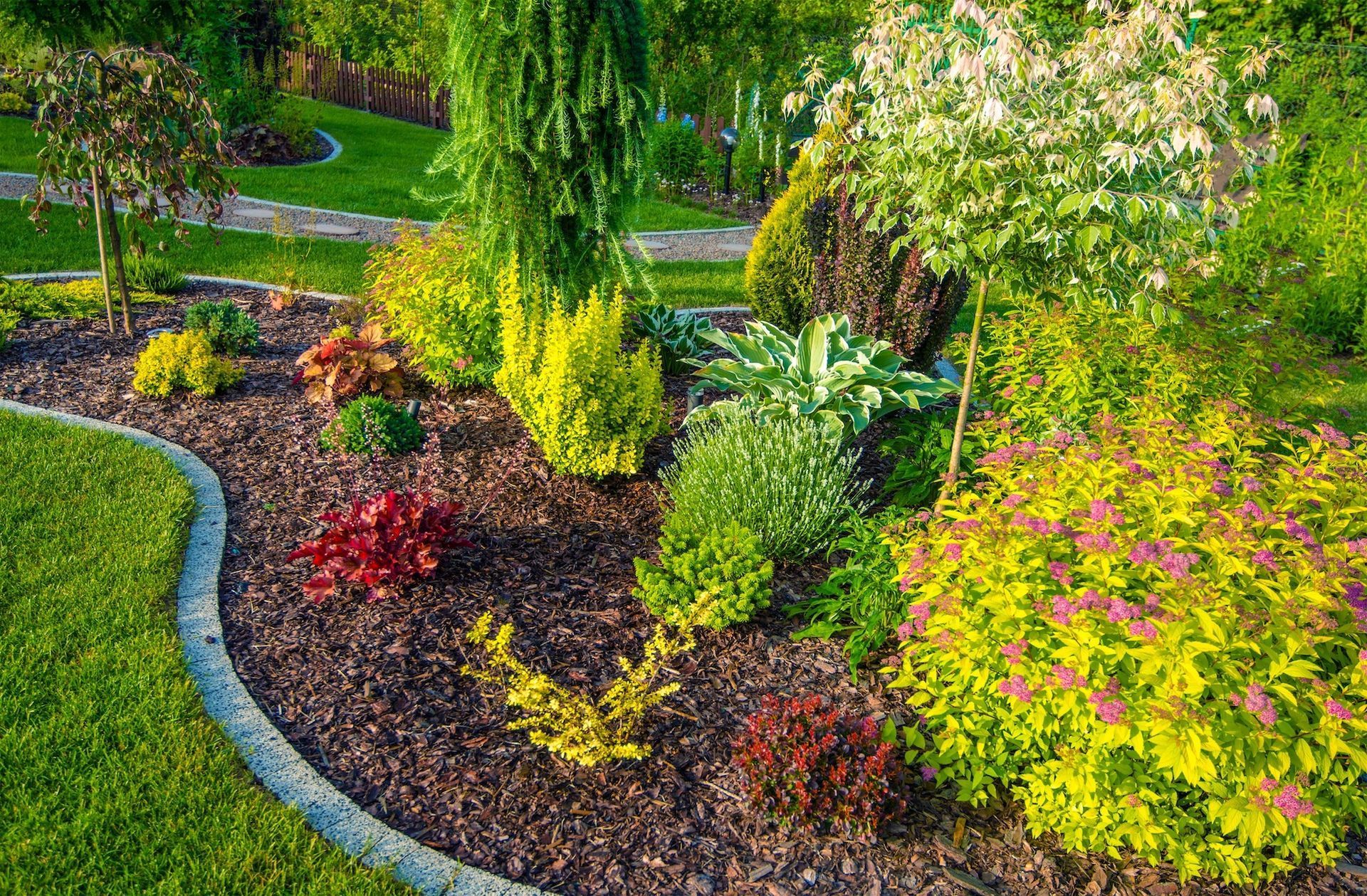
RENOVATION
BED RENOVATION
Overgrown, weed-filled borders get cleared back to soil, shrubs are pruned or removed, and the bed is rebuilt with amended ground and correct spacing. Older landscapes often need this reset more than they need anything new planted.
FAQ
FREQUENTLY ASKED QUESTIONS.
Questions we hear while standing in a bed with a shovel, answered directly. Bring us anything specific about your soil, light, or drainage through the contact page.
What is the best time of year to plant trees and shrubs in NC?
Fall, by a wide margin. Roots establish through cool, damp months while top growth is dormant, so the plant faces its first summer already anchored. Early spring works as a second choice.
What are the best native plants for the NC Piedmont?
Oakleaf hydrangea, inkberry holly, itea, eastern redbud, serviceberry, purple coneflower, black-eyed Susan, muhly grass, and little bluestem all perform well here. Natives handle our rainfall swings and clay with far less intervention.
What type of mulch works best in NC landscape beds?
Shredded hardwood holds slopes well and breaks down into the soil, while pine bark suits acid-loving shrubs. 3 In 1 Lawn and Home Care chooses by bed type across Burlington, NC properties.
How often does mulch need to be replaced?
Refresh annually, topping up rather than piling on. Old mulch decomposes into the soil, which is the point, but layers left to stack past three inches begin shedding water instead of holding it.
Do I need a French drain, a dry creek bed, or regrading?
It depends on where the water starts and where it can safely go. Regrading fixes shallow low spots and drains handle concentrated flow. 3 In 1 Lawn and Home Care assesses runoff across Burlington, NC yards.
What plants grow well in shade in NC?
Oakleaf hydrangea, hosta, ferns, heuchera, Solomon's seal, and inkberry holly all tolerate low light. The real question is usually whether the shade is dry root competition under trees or damp shade beside a structure.
When should I prune azaleas, hydrangeas, and crepe myrtles?
Spring bloomers like azaleas get pruned right after flowering, since next year's buds form in summer. Crepe myrtle is cut in January or February, and never topped back to knuckled stubs.
Should I put landscape fabric under mulch or gravel?
Under gravel, often yes. Under mulch, usually not, because decomposing mulch builds a weed seedbed on top of the fabric anyway while the barrier blocks organic matter from reaching the soil below.
HOW WE WORK
FROM BARE GROUND TO FINISHED BEDS, HERE IS HOW.
STEP 01
WE READ THE SITE
Sun hours, slope, drainage patterns, existing roots, and what already grows well tell us most of what we need. We watch where water sits after rain before deciding what belongs in a bed.
STEP 02
WE PLAN THE PLANTING
Selections are made for mature size, light tolerance, and clay performance, then arranged so heights step properly and the bed still works in 5 years. You approve the plant list before anything is ordered.
STEP 03
WE PREPARE THE SOIL
Compost and organic matter get worked broadly through the bed rather than dropped in individual holes. Amending the whole area is what lets roots spread outward instead of circling inside a pocket of good soil.
STEP 04
WE SOLVE THE WATER
Any drainage correction happens before planting, never after. Regrading, drain lines, and creek beds go in first, because installing plants into ground that floods guarantees a callback nobody enjoys making.
STEP 05
WE PLANT AND MULCH
Crowns are set slightly high in clay, backfill is firmed without compacting, and mulch goes down at proper depth with a clean edge cut. Everything is watered in thoroughly before we leave the site.
STEP 06
WE TELL YOU WHAT IT NEEDS
New plantings have a first year that decides everything. You get straightforward watering guidance, pruning timing for each species, and a heads up about which plants will need room sooner than expected.
Get Your Free Estimate
SHOW US THE PART OF THE YARD YOU AVOID.
Every property has one: the muddy corner, the bank that washes out, the bed nobody has touched since the house was built. Point at it and we will tell you what is really going on, whether it is a soil problem or a water problem, and what it would take to make that ground usable again. We will also say plainly if the fix is simpler than you feared. Send photos and a description through the contact page.
WHAT YOUR LANDSCAPE ESTIMATE COVERS:
- Site assessment for light, slope, and drainage
- Soil condition reviewed before any plant list
- Species chosen for zone 7b and mature size
- Drainage corrections priced separately and clearly
- Mulch type, depth, and edge treatment specified
- A written scope you sign off on first